
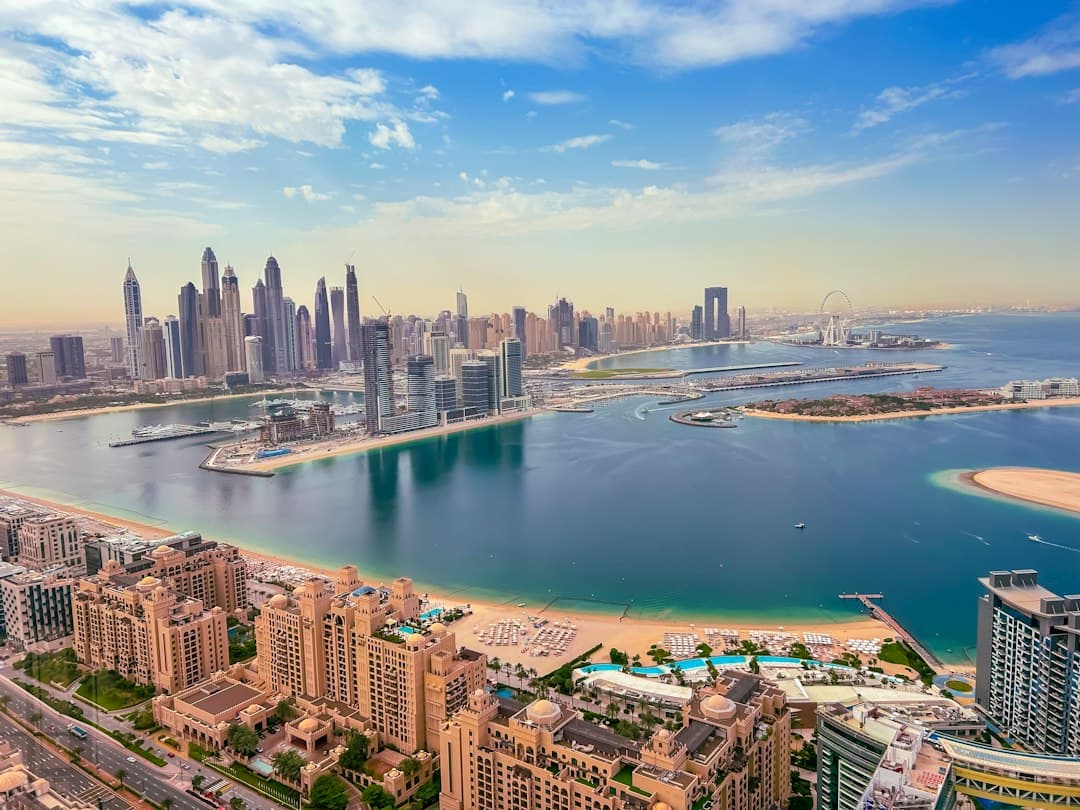
Downtown Dubai and Dubai Hills Estate are two fundamentally different residential experiences for families. Downtown Dubai offers compact luxury apartments with iconic skyline views, walkable urban proximity to restaurants and attractions, and robust rental potential—suited for professional families prioritizing convenience and investment returns. Dubai Hills Estate delivers spacious villas with private gardens, family-oriented amenities like schools and parks, and established suburban infrastructure—better for families wanting outdoor space, larger homes, and a community-focused lifestyle. The choice hinges on whether your family values urban walkability and luxury finishes (Downtown) or suburban space and family infrastructure (Dubai Hills).
Location, Accessibility, and Lifestyle
Downtown Dubai sits at the heart of the city, immediately adjacent to the Burj Khalifa, Dubai Mall, and Sheikh Zayed Road. For families with professionals working downtown, commute times are minimal—often just minutes. The neighborhood is hyper-urban: you walk to restaurants, retail, and entertainment. Schools and parks require a short drive; there's minimal green space within the immediate neighborhood itself.
Dubai Hills Estate, by contrast, is a sprawling master-planned community in southwest Dubai, closer to Arabian Ranches and Al Barsha. It sits 20–30 minutes from downtown by car, appealing to families who don't need daily city-center access. The trade-off is clear: longer commutes for some, but vastly more open space, quieter streets, and established family infrastructure within the community itself.
For working parents with school-age children, Dubai Hills offers the school campus within walking or short-drive distance. Downtown families typically arrange school runs or rely on bus services; the community itself is less designed around family education.
Housing Types and Space
Downtown Dubai's residential stock is predominantly apartments: 1-, 2-, and 3-bedroom units with premium finishes, often with balconies overlooking the Burj Khalifa or fountains. Most units are compact by global standards—typically 1,000–1,500 sq ft for a 2-bedroom. Townhouses exist but are rare and expensive. Gardens are non-existent; outdoor living means your balcony.
Dubai Hills Estate is primarily a villa community, with properties ranging from 2,000–4,500+ sq ft. Each villa typically includes a private plot, garden space, driveway, and often a small pool or landscaped outdoor area. The neighborhood also includes some townhouse clusters and mid-rise apartment blocks, but villas dominate the character.
Families with young children or those wanting outdoor entertaining space will find Dubai Hills vastly more practical. Parents can let children play in private gardens; there's room for a car and guest parking. Downtown apartment families navigate smaller footprints and rely on community gyms, pools, and public parks.
Cost Comparison: Purchase Price and Service Charges
Downtown Dubai apartments command premium pricing because of brand prestige and walkable urban location. A typical 2-bedroom ranges from AED 1.2–2.2 million (mid-to-high finishes). Service charges are high—often AED 50–80 per sq ft annually—reflecting the density and premium building amenities.
Dubai Hills Estate villas typically start around AED 1.8–2.5 million for a 3-bedroom and climb to AED 4+ million for larger properties. While purchase prices can match or exceed Downtown apartments, the space you receive is substantially larger. Service charges are lower—typically AED 15–30 per sq ft—because villa communities have fewer shared amenities and lower density.
However, villa families must budget for chiller maintenance, external wall cleaning, and garden upkeep—costs that apartment dwellers don't face. Over a 10-year horizon, the true cost of villa ownership (maintenance + service charges) can exceed apartment living, though the lifestyle benefit is significant.
Schools, Amenities, and Family Infrastructure
Dubai Hills Estate has established itself as a family destination with multiple schools operating within or adjacent to the community: Al Noor International School, Jumeirah English Speaking School, and others. Sports facilities, playgrounds, and family-friendly parks are embedded throughout the master plan. The community feels purpose-built for families.
Downtown Dubai has limited school options directly in the neighborhood. Families typically arrange enrollment at schools across the city (many require 15–25 minute drives). Parks and playgrounds exist but are smaller and more crowded. The community prioritizes dining, retail, and nightlife over family infrastructure.
For families with multiple school-age children, Dubai Hills estate reduces logistics friction significantly. Drop-off times are shorter, playdates are walkable, and after-school activities often happen within the community. Downtown families accept a car-dependent lifestyle for schools and activities.
Rental Market and Investment Returns
Downtown Dubai apartments generate strong rental returns, typically 4–6% gross yield. The appeal for international tenants and short-term luxury renters is high; the neighborhood supports both long-term leases and holiday lettings. A furnished 2-bedroom may rent for AED 6,000–9,000 per month.
Dubai Hills Estate villas also attract rental demand, but the tenant profile differs: typically families seeking suburban living, not transient luxury renters. Rental yields are solid (3–5% gross) but lower than Downtown. A 3-bedroom villa might rent for AED 5,000–8,000 monthly—comparable per-unit revenue, but on a larger property.
If your primary goal is short-term ROI and flexibility, Downtown apartments win. If you plan long-term family living and view rental income as secondary, Dubai Hills villas offer steadier, less volatile returns.
Walkability and Urban Lifestyle
Downtown Dubai is exceptionally walkable. You can walk from residential towers to restaurants, shops, and attractions. This appeals to young professionals, empty nesters, and urban-lifestyle families. During cooler months (November–April), street-level activity is vibrant. Summer (June–September) makes outdoor walking difficult due to extreme heat.
Dubai Hills Estate requires a car for nearly all activities. Walkability within the villa neighborhoods is limited; there are few interconnected pedestrian paths between villas. Grocery shopping, schools, and entertainment require driving. This appeals to car-comfortable families and reflects suburban Dubai norms.
Community Character and Social Dynamics
Downtown Dubai feels transient. Many residents are young professionals, couples without children, or investors who don't live in their properties. Community bonds are often weak; the neighborhood has no strong "family feel." Social interaction happens at restaurants and clubs, not through organized community activities.
Dubai Hills Estate has established community culture with HOA-organized events, family gatherings, and a genuine sense of residential permanence. Many residents have lived there 5+ years; schools create natural social networks. The community feels more cohesive and family-oriented by design.
For families prioritizing community connection and childhood friendships, Dubai Hills delivers. Downtown families should expect a more transient, individualistic lifestyle.
Climate and Outdoor Living
Downtown Dubai's compact apartments with limited balcony space mean outdoor summer living is largely indoors (malls, air-conditioned venues). Winter and spring outdoor life is pleasant but relies on public beaches and parks rather than private space.
Dubai Hills Estate villas allow families to enjoy private outdoor space year-round: villas often have pools, gardens, and shaded courtyards. Summer evenings can be spent on terraces or pools; the private garden offers a refuge from public crowds. Families with young children especially benefit from secure, climate-controlled outdoor play areas.
Developer and Long-Term Value Stability
Downtown Dubai is developed primarily by Emaar Properties, Dubai's largest master developer, which also created Dubai Marina and Arabian Ranches. Emaar's track record on maintenance, management, and value preservation is strong. Properties in Downtown have consistently appreciated and maintained market demand.
Dubai Hills Estate is also primarily an Emaar development. The community benefits from the same developer stability and professional management. Both communities are backed by a single, capable master developer—a significant advantage over fragmented, individually-owned neighborhoods.
Getting Started: Explore Both Communities
The best way to decide between these two communities is to visit, tour properties with different price points, and speak with current residents. Contact Immoworld DXB's advisory team to arrange viewings tailored to your family's priorities—whether you're exploring luxury apartments in Downtown or spacious villas in Dubai Hills.
To understand the financial implications of purchasing in either community, use the Dubai Property Fees Calculator to estimate DLD transfer fees, agency commissions, and registration costs. Understanding total acquisition costs helps clarify which community fits your budget.
For comprehensive property options in both communities, browse Immoworld DXB's full property listing across all developments. You can filter by area, property type, and price to narrow your search to family-appropriate homes in Downtown Dubai or Dubai Hills Estate.
Key Comparison Summary
- Best for walkable urban families: Downtown Dubai (minimal commute, luxury finishes, rental returns)
- Best for suburban family living: Dubai Hills Estate (villas, schools, community infrastructure, outdoor space)
- Best for investment ROI: Downtown Dubai (higher rental yields, transient tenant base)
- Best for family permanence: Dubai Hills Estate (community bonds, established schools, long-term stability)
- Best for space: Dubai Hills Estate (villas average 3,000+ sq ft vs. apartments at 1,200–1,500 sq ft)
- Best for convenience: Downtown Dubai (walkable urban amenities, central location)
- Best for schools: Dubai Hills Estate (multiple campuses within or adjacent to community)
- Best for affordability: Neither is genuinely affordable; both are premium communities. Pricing is comparable on a per-unit basis, though Dubai Hills offers more square footage.
Conclusion: Choose Based on Your Family's Priorities
Downtown Dubai and Dubai Hills Estate are not competitors—they serve different family visions. Downtown is for professional families prioritizing urban walkability, luxury finishes, and investment returns; expect a transient, fast-paced lifestyle with minimal private outdoor space. Dubai Hills Estate is for families seeking suburban permanence, spacious villas, established school infrastructure, and community connection; expect car-dependent living but vastly more space and family-oriented neighborhood culture.
The "better" choice depends entirely on your household's priorities. A young professional couple with no children might thrive in Downtown's urban energy. A family with three school-age children will likely find Dubai Hills' villa space and school infrastructure more practical and rewarding.
Visit both communities, tour properties at your budget level, and ask current residents what they value most about living there. Explore detailed area guides for both Downtown Dubai and Dubai Hills Estate to understand each neighborhood's infrastructure, amenities, and investment fundamentals. If you're ready to begin your search, reach out to Immoworld DXB's advisory team to discuss which community aligns with your family's lifestyle and budget.