
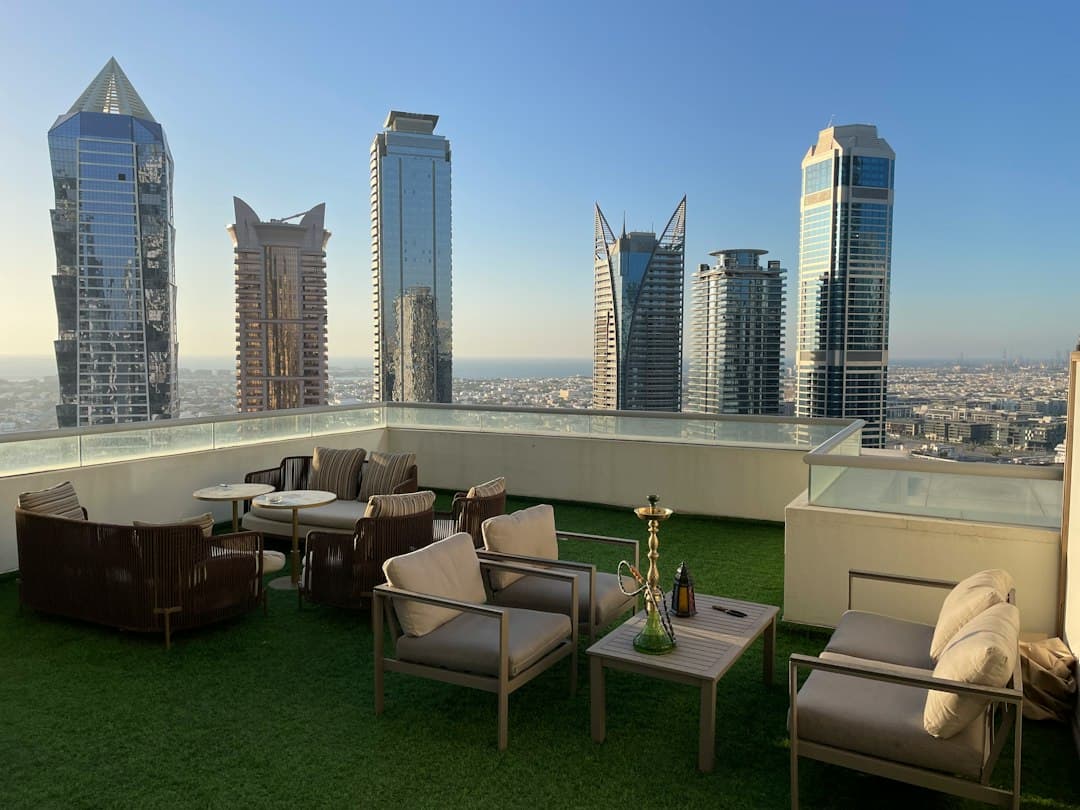
Furnished apartments rent faster in Dubai, typically leasing within 2–4 weeks compared to 6–12 weeks for unfurnished units. Furnished properties command 15–25% higher rental yields and attract corporate tenants, expat families, and short-term renters seeking move-in-ready spaces. However, unfurnished apartments, while slower to lease initially, attract long-term residents willing to sign extended contracts, reducing tenant turnover and maintenance disruptions. The optimal choice depends on your investment horizon, capital availability, and whether you prioritize rapid cash flow or long-term stability.
Why Furnished Apartments Rent Faster in Dubai
Furnished apartments occupy a premium segment of Dubai's rental market and benefit from immediate appeal to international tenants. Expat professionals relocating to Dubai, corporate housing seekers, and visitors extending their stay often prefer furnished units because they eliminate the friction of sourcing furniture, coordinating deliveries, and waiting for custom pieces—a significant advantage in a fast-paced market where relocation timelines are tight.
The speed of rental placement directly correlates with the property's readiness. A furnished apartment listed on portals like Bayut, Dubizzle, or Airbnb is genuinely turnkey—a tenant can collect keys and sleep in their new home the same evening. This immediacy resonates powerfully with corporate housing managers coordinating temporary relocations, families between homes, and business travelers seeking flexibility without long-term commitment.
Furnished properties also command premium rents. A 2-bedroom furnished apartment in Jumeirah Village Circle might lease at AED 6,500–7,500 per month, while an identical unfurnished unit rents at AED 5,000–5,800. That 20–30% premium, applied across a 3–5 year hold period, compounds significantly—and it begins accumulating within weeks rather than months of listing.
The Rental Yield Advantage of Furnished Properties
Furnished apartments generate higher gross rental yields, typically 5–7% annually, compared to 3–4% for unfurnished units—a meaningful difference for investors structured around cash-on-cash returns. Over a 3-year hold, that yield gap translates to thousands of dirhams in cumulative rental income, often enough to offset the initial furnished-unit purchase premium or furnishing costs.
However, yield is only part of the equation. Furnished units incur significantly higher maintenance and replacement costs:
- Furniture wear and tear: Tenant-used sofas, beds, and chairs degrade faster than owner-occupied furnishings. Budget AED 3,000–8,000 annually for repairs, reupholstering, or replacement.
- Appliance servicing: Heavy-use kitchens and washers deteriorate more quickly. Annual maintenance contracts cost AED 1,500–3,000.
- Décor refresh cycles: Every 2–3 years, furnishings lose appeal. A complete refresh costs AED 15,000–40,000 depending on quality tier.
- Turnover cleaning and touch-ups: Between tenants, furnished units require deeper cleaning, paint touch-ups, and minor repairs. Budget AED 2,000–5,000 per turnover.
Net these costs against the rental premium, and the actual yield advantage narrows—but it typically remains positive, especially if tenant turnover stays low.
Unfurnished Apartments: Slower Lease, Longer Commitment
Unfurnished apartments take longer to lease because they demand tenant effort and investment. A prospective tenant must source furniture, coordinate delivery logistics, and potentially wait weeks before the property becomes livable. This friction disqualifies casual browsers and corporate short-term renters—but it filters for genuine long-term residents committed to 12–24 month (or longer) lease terms.
The reduced tenant pool extends the initial lease period, often to 6–12 weeks or longer. However, once leased, unfurnished apartments enjoy significantly lower turnover. Tenants who invest in their own furnishings develop attachment to the space and typically remain for 2–3+ years rather than rotating annually. This stability reduces vacancy periods, turnover costs, and the cumulative administrative burden of marketing, screening, and onboarding new residents.
Unfurnished apartments also attract a different demographic: families establishing roots in Dubai, professionals on multi-year expatriate assignments, and dual-income couples investing in their own interior design. These tenants pay on time, take better care of the property, and are less likely to break leases early.
Speed to Lease: Timeline Comparison
Real-world leasing timelines in Dubai's rental market reflect these dynamics:
- Furnished apartments: 2–4 weeks average from listing to signed tenancy agreement. High-demand areas like Downtown Dubai or Business Bay see furnished units lease within 7–14 days.
- Unfurnished apartments: 6–12 weeks average. Initial interest may arrive within weeks, but tenant decision-making lengthens as they arrange furniture purchasing and logistics.
- Premium/luxury furnished: 1–3 weeks. Ultra-luxury furnished penthouses and waterfront villas in Palm Jumeirah or Downtown Jebel Ali often pre-lease before completion, with corporate and high-net-worth tenants negotiating terms 4–6 weeks ahead of handover.
- Budget unfurnished: 8–16 weeks. Budget-segment unfurnished apartments in emerging communities face longer lease periods as tenant purchasing power and decision timelines expand.
Which Strategy Suits Your Investment Profile?
Choosing furnished versus unfurnished depends on three core factors: investment horizon, capital availability, and operational tolerance.
Choose furnished if: You need rapid cash flow within the first 3–6 months, have capital for quality furnishings (AED 25,000–60,000 for a 2-bedroom), and can tolerate annual maintenance cycles. Furnished suits investors in active portfolios holding multiple properties and seeking to maximize returns over 3–5 year windows before selling or refinancing.
Choose unfurnished if: You can absorb a 2–3 month initial lease delay, prefer minimal operational involvement, and seek multi-year stability. Unfurnished appeals to hands-off investors, buy-to-let homebuyers, and those structured around long-term capital appreciation rather than immediate yield.
A pragmatic hybrid approach: purchase an unfurnished apartment, lightly furnish it (neutral sofa, dining table, beds, a few décor pieces) for AED 8,000–15,000, and market it as "semi-furnished." This attracts faster lease placement than fully unfurnished while minimizing furnishing complexity and cost. Semi-furnished units typically lease within 4–8 weeks—a meaningful improvement over fully unfurnished without the turnover burden of full furnishing.
Market Demand Across Dubai Communities
Lease speed also varies by community. Waterfront and business-district areas like Downtown Dubai, Business Bay, and Dubai Marina see furnished units lease in 2–3 weeks due to high corporate tenant density and short-term expatriate rotations. Family-oriented communities like Jumeirah Village Circle and Dubai Hills Estate support faster unfurnished leasing (4–8 weeks) because residents prioritize settling families and prefer customizing their own interiors.
Emerging communities like Dubai South and Meydan Horizon see more extended lease periods for both furnished and unfurnished units, as the tenant pool is smaller and decision-making slower. In these areas, furnished units may still lease 2–3 weeks faster than unfurnished, but the absolute timeline extends to 6–10 weeks even for furnished stock.
Financing and Ownership Considerations
If you're financing your purchase, lenders and fee structures treat furnished and unfurnished properties identically—mortgage calculations rest on property value, not furnishings. However, when reselling, furnished properties may face appraisal scrutiny: valuers focus on the underlying real estate, not the furniture, so resale value typically matches unfurnished comparables. Furnishings, while increasing rental appeal, don't materially increase property value at sale.
This means furnished properties work best as long-term rentals (3–5+ years of accumulated yield) rather than quick flips. If you're planning to sell within 18–24 months, furnishing costs won't recoup through resale value—they only justify if rental income covers the investment within your holding period.
Maintenance, Insurance, and Hidden Costs
Furnished apartments incur insurance nuances. Standard landlord policies may limit coverage on tenant-damaged furnishings. Many furnished-unit landlords add separate contents insurance (AED 500–1,200 annually) to protect furniture against damage beyond normal wear. Unfurnished properties face no such complexity.
Routine maintenance also diverges. Unfurnished apartments require periodic paint, flooring inspection, and fixture servicing—costs spread across years. Furnished apartments face more frequent touch-ups, furniture repairs, and seasonal refreshes, concentrating costs into predictable annual budgets. This frequency means furnished-unit owners must plan tighter maintenance calendars and budgets.
The Rental Registration Factor: Ejari
Both furnished and unfurnished apartments require Ejari registration with the Dubai Land Department (DLD) before a tenant moves in. Ejari is the legal tenancy contract registration that protects both landlord and tenant. The process is identical regardless of furnishing status—cost, timeline, and documentation remain constant. Ejari registration typically completes within 2–5 working days once the signed tenancy agreement and supporting documents are submitted to DLD.
Making the Final Decision
The answer to "which rents faster" is clear: furnished apartments lease in half the time. But faster leasing doesn't automatically mean better returns or less stress. Your decision should weigh:
- How urgently you need rental income (furnished wins if timeline is tight)
- Your capital reserves for furnishing and maintenance (unfurnished requires less operating capital)
- Your tolerance for tenant turnover and maintenance scheduling (unfurnished requires less hands-on management)
- Your expected holding period (furnished yields higher returns over 3–5 years; unfurnished suits buy-to-hold indefinitely)
- Your target tenant profile (furnished attracts expats and corporate assignees; unfurnished attracts families and long-term residents)
Most successful Dubai rental investors don't choose one strategy exclusively—they diversify. A portfolio might include one premium furnished apartment targeting high-yield corporate leases, balanced by unfurnished family units in established communities providing stable, long-term income. This blend spreads risk, stabilizes cash flow, and lets you capitalize on market demand across multiple tenant segments.
Conclusion: Furnished Wins Speed, But Unfurnished Offers Stability
Furnished apartments unquestionably rent faster in Dubai—typically within 2–4 weeks versus 6–12 weeks for unfurnished stock. They attract immediate tenant demand from mobile expats and corporate renters, command 15–25% rental premiums, and generate higher gross yields. However, these speed and yield gains come with elevated maintenance costs, furnishing replacement cycles, and higher tenant turnover risk.
Unfurnished apartments take longer to lease but compensate with lower operational complexity, longer tenant tenure, and minimal furnishing-related maintenance. For investors prioritizing immediate cash flow and willing to manage furnishing cycles, furnished is the clear choice. For those seeking passive, long-term rental income with predictable tenants, unfurnished offers superior stability despite the initial lease delay.
The optimal strategy depends on your capital, timeline, and risk tolerance. If you're unsure which approach fits your investment profile, or want to explore specific communities and pricing dynamics, connect with Immoworld DXB's advisory team. We can analyze your property, model both furnished and unfurnished scenarios, and recommend the strategy most likely to deliver your target returns in your chosen Dubai community.