
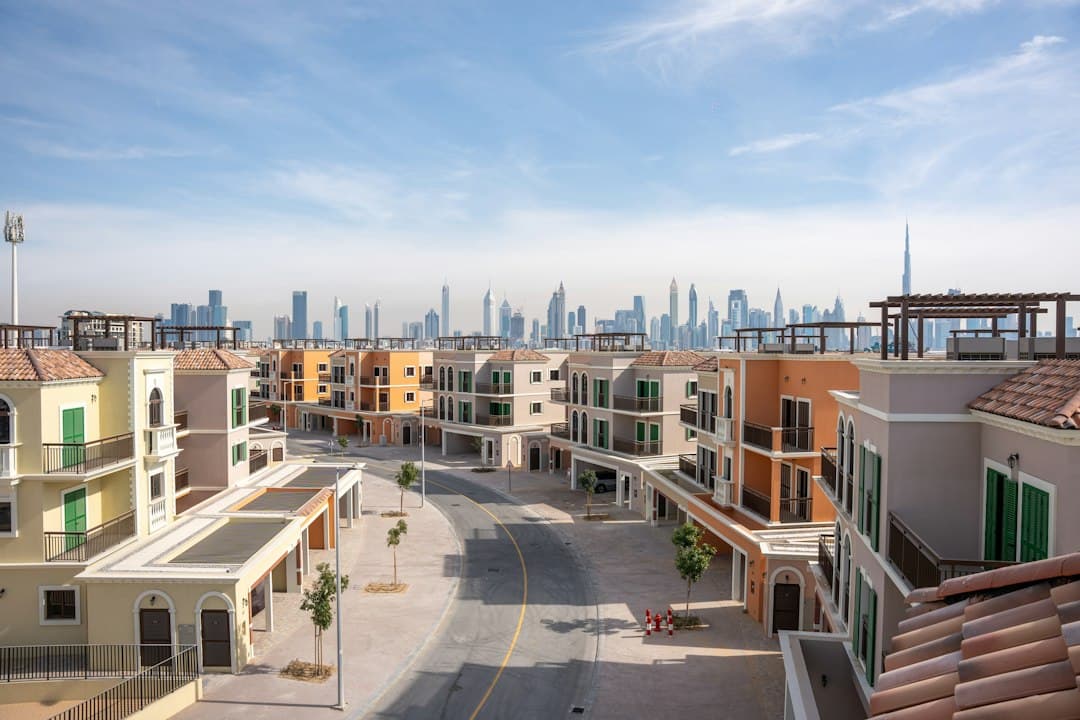
Moving into a new Dubai home requires coordinated action across multiple systems: property snagging and defect inspection, DLD legal registration, utility setup with DEWA, and home furnishing. The entire process typically spans 4–6 weeks and involves simultaneous tasks with government agencies, developers, service providers, and contractors. This checklist breaks that complexity into manageable weekly phases, ensuring you complete critical legal, administrative, and practical steps in the right sequence before settling fully into your new space.
Understanding the Dubai Moving Timeline
Your Dubai move doesn't start when the removalists arrive at your door—it starts weeks before handover. The timeline involves overlap: while you're completing snagging inspections, you're simultaneously arranging utilities and scheduling contractors. Understanding this overlap helps you stay organized and avoid delays that could extend your moving timeline by weeks.
The entire process divides into four overlapping phases: pre-handover inspection (snagging), legal DLD registration, utility and chiller setup, and home furnishing and personalization. Each phase has time-sensitive deadlines and dependencies, so following a structured checklist prevents missed steps.
Week 1: Snagging and Pre-Handover Inspection
Days 1–3: Schedule Your Snagging Inspection
Before you officially take handover from the developer, hire a professional snagging inspector to conduct a detailed pre-delivery walkthrough. This is not optional—it's your legal protection. A qualified inspector identifies construction defects, finishing issues, and safety concerns that you'll want fixed before signing off on the property.
Cost typically ranges from AED 2,000 to AED 8,000, depending on property size and complexity. Book your inspector immediately after receiving your handover notification, so the inspection can be scheduled within 5–7 days. Many inspectors work within 48 hours if you're flexible with timing.
Days 4–5: Conduct the Walkthrough
Attend your snagging inspection personally. Review the inspector's findings across 15 common defect categories: structural cracks, plumbing leaks, electrical faults, finishing damage, HVAC issues, and cosmetic problems. Take photos and video of any defects noted in the report.
Inspect for 15 common defects including cracks, leaks, and finishing issues so you have a documented record before formal handover. This report becomes your negotiating tool with the developer for remediation before you accept the keys.
Days 6–7: Negotiate Remediation with Developer
Submit your snagging report to the developer's project management team. Most developers follow a formal defect remediation process and will schedule repairs within 2–4 weeks. Critical defects (plumbing, electrical, structural) must be fixed before handover; minor cosmetic issues may be repaired afterward if both parties agree in writing.
Document all agreed remediation in writing. Don't accept handover until critical defects are resolved. This week's work protects your investment and prevents costly repairs later.
Week 2: Legal DLD Registration and Handover Documentation
Days 1–2: Coordinate Final Walkthrough with Developer
Once snagging defects are resolved, schedule your final pre-handover walkthrough. Verify that all remediation work is complete and to your satisfaction. Confirm utility meter readings (DEWA, water, gas) and that all appliances, keys, and access cards are functioning and included in the handover.
Collect copies of all warranties, appliance manuals, building access information, and maintenance contact details from the developer. These documents will be essential once you occupy the property.
Days 3–4: Complete DLD Transfer and Registration
The developer's legal team will initiate DLD (Dubai Land Department) transfer of the property title into your name. This involves coordinating with DLD, submitting required documents (passport, residence visa, purchase agreement, mortgage documents if applicable), and paying DLD transfer fees.
DLD transfer fees typically equal 4% of the property value. If you're purchasing off-plan, the developer often handles initial DLD submission; you'll complete final registration at handover. If buying resale, coordinate with the seller's agent and your own legal advisor.
Use the DLD fees calculator to estimate your exact registration costs based on your property price. This helps you budget for total closing costs beyond the purchase price.
Days 5–7: Obtain DLD Handover Authorization
Once DLD registration is complete, you'll receive authorization to formally accept handover. The developer's project manager will schedule the final handover appointment, where you'll receive keys, sign handover documentation, and the property officially becomes yours under DLD records.
Follow the complete handover timeline from snagging through legal registration and final key receipt to understand the exact sequence of each step.
Week 3: Utility Setup and Chiller Installation
Days 1–2: Register DEWA Account and Arrange Connection
DEWA (Dubai Electricity and Water Authority) manages electricity, water, and wastewater in Dubai. Visit a DEWA office or apply online with your new DLD registration document and passport to register utilities in your name. You'll be assigned a service number and account.
DEWA requires a security deposit (typically AED 1,500–AED 3,000 for residential apartments, depending on unit size). Processing takes 2–3 working days. Arrange this immediately after handover to avoid delays in connection.
Days 3–4: Arrange Chiller Installation (Rentals)
If your apartment doesn't include a central AC system and uses a rental chiller unit, contact a licensed HVAC contractor to schedule installation. Chiller rental costs AED 120–AED 250 monthly, depending on apartment size. Installation typically takes 1–2 days and must be completed before you move furniture in, as the unit occupies balcony space.
Complete your DEWA registration, Ejari filing, and chiller setup in the correct sequence to avoid utility delays or additional administrative costs.
Days 5–7: Confirm Meter Readings and Service Activation
DEWA typically activates your account within 3–5 working days. Confirm your account is active by checking online or calling DEWA customer service. Note your opening meter readings for electricity and water—these establish your first billing cycle baseline.
Week 4: Ejari Registration and Tenancy Documentation
Days 1–2: Prepare Ejari Registration (Rentals Only)
If you're renting your new apartment, Ejari registration records your tenancy contract with Dubai Land Department. This is a legal requirement and provides tenant protection under Dubai's rental laws. You'll need your passport, lease agreement, landlord ID, and property registration documents.
Follow step-by-step instructions to register your Ejari tenancy contract with DLD, which takes 1–2 days once submitted and costs around AED 70–AED 100.
Days 3–5: Engage Furniture and Furnishing Services
By week 4, you're ready to plan your interior. Decide whether to buy, rent, or mix furniture options. Budget for furnishing realistically: a 2-bedroom apartment typically costs AED 25,000–AED 100,000+ to furnish, depending on quality level.
Shop at established retailers like IKEA, PAN Home, Marina Home, or online platforms, or explore affordable options in neighborhoods like Al Khawaneej and International City. Schedule deliveries for week 5–6 to coordinate with handover and utility activation.
Days 6–7: Plan Decorator and Contractor Schedule
If you're painting, minor renovations, or installing custom elements, schedule contractors now for week 5. Coordinate timing so work is complete before furniture delivery. Get written quotes and ensure contractors hold proper Dubai Municipality licenses.
Week 5–6: Moving Day and Home Setup
Days 1–3: Coordinate Removal Company and Delivery
Arrange your removalist to deliver furniture and boxes during your scheduled dates. Confirm access with building management and any building restrictions (elevator booking, moving hours, parking). Most Dubai buildings require advance notice for large removals.
Oversee unpacking and furniture placement. Conduct a thorough walkthrough to ensure everything arrived undamaged and matches your interior plan. Document any transit damage immediately with photos for insurance claims.
Days 4–5: Install and Test Utilities
Confirm DEWA connection is active. Test all electrical outlets, lights, and appliances. Check water pressure at all taps and shower outlets. If you have a chiller unit, test AC performance across all rooms. Contact DEWA immediately if you detect any faults.
Set up internet and telecommunications with your chosen provider (Etisalat, du, or alternative ISP). Schedule installation if required. Confirm phone lines and mobile connectivity in your apartment.
Days 6–7: Admin and Final Confirmations
Update your address with your employer, bank, insurance provider, and any subscription services. Register with your building's management office and obtain resident parking permits if applicable. Introduce yourself to building management and confirm emergency contact procedures.
Conduct a final safety walkthrough: locate electrical breaker panels, water shut-off valves, fire extinguishers, and emergency exits. Confirm all locks are functioning and you have all keys and access cards.
Essential Week-by-Week Checklist Summary
Here's a quick reference for the four-week moving timeline:
- Week 1 (Snagging): Hire snagging inspector, conduct walkthrough, negotiate remediation, obtain final approval from developer
- Week 2 (DLD & Handover): Complete final walkthrough, finalize DLD registration, receive keys and handover authorization
- Week 3 (Utilities): Register DEWA account, arrange chiller installation, confirm meter readings and service activation
- Week 4 (Furnishing & Setup): Register Ejari (if renting), plan furniture purchases, schedule contractors and deliveries
- Week 5–6 (Moving & Settlement): Coordinate removals, test utilities, finalize admin tasks, confirm all systems operational
Avoiding Common Moving Mistakes in Dubai
The most frequent errors occur when buyers skip snagging, delay DEWA registration (causing utility delays), or underestimate furnishing costs and timelines. Don't rush handover acceptance—defects discovered after signing handover documents become your responsibility, not the developer's.
Plan for at least one week beyond your ideal move-in date as a buffer. Contractors run late, furniture delivery delays happen, and DEWA processing can stretch to 5 days. Building this buffer prevents stress and ensures your home is properly set up rather than hastily occupied.
Getting Expert Help for Your Move
Contact Immoworld DXB's advisory team for personalized guidance through your handover and moving process. Our advisors can coordinate with developers, recommend vetted contractors and furnishing services, and ensure your move stays on schedule and within budget. If you're still shopping for your new home, browse our complete property listings across all Dubai communities to find the right apartment, villa, or townhouse for your next chapter.
Conclusion: A Smooth Transition Into Your New Dubai Home
Moving into a new Dubai home is a coordinated process, but it's entirely manageable with a structured checklist and clear timeline. By addressing snagging in week 1, completing legal DLD registration in week 2, setting up utilities in week 3, and planning furnishing in week 4, you create the foundation for a smooth settlement. The final weeks focus on execution—moving day, testing systems, and handling final administrative tasks.
Don't hesitate to engage professionals where it matters: a snagging inspector protects your investment, a property advisor simplifies legal coordination, and experienced movers prevent damage and stress. Your new Dubai home deserves a move that's organized, thorough, and stress-free. Follow this checklist week by week, and you'll settle into your space confidently, knowing every critical step has been completed.