
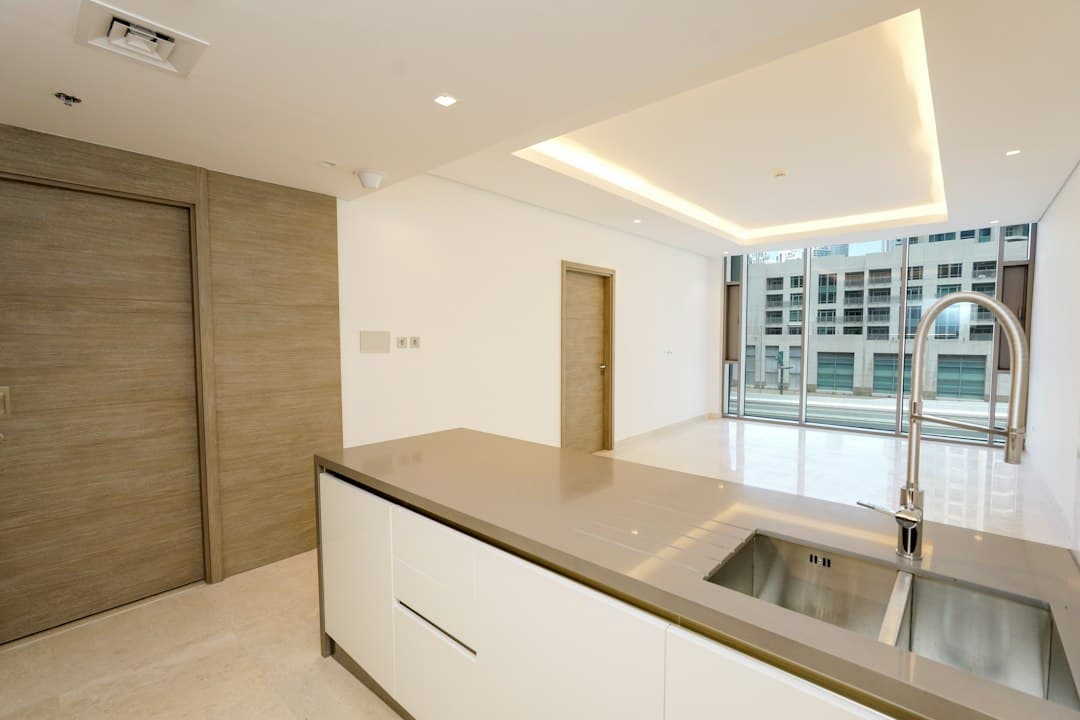
Property snagging in Dubai is a detailed pre-handover inspection process designed to identify construction defects, finishing issues, and safety concerns before you formally accept and complete the purchase of your new home. Snagging involves a systematic walkthrough of the property with a qualified inspector or developer representative, documenting any faults—from structural cracks and misaligned doors to incomplete paintwork, faulty fixtures, and utility malfunctions. This process protects your investment by ensuring your property meets Dubai Land Department (DLD) standards and the developer's contractual obligations, and it gives you leverage to request remediation before handover is finalized. Most developers in Dubai build snagging periods into their handover process, typically offering 30 days to identify and document issues before final payment and transfer of ownership.
Why Property Snagging Matters in Dubai
In Dubai's fast-paced construction environment, rushing through handover without a thorough snagging inspection can leave you with costly repairs and unresolved safety issues. Developers are contractually obligated to deliver properties to a defined specification, and snagging is your formal mechanism to hold them accountable.
Once you sign off on handover and the property is registered with the DLD, correcting defects becomes significantly harder and more expensive—you'll be responsible for repairs, or locked in disputes with the developer. A professional snagging inspection protects both your financial investment and your peace of mind by documenting problems in writing before final acceptance.
Additionally, if you plan to rent out your property, a clean snagging report demonstrates quality to potential tenants and landlord insurers. If you later sell, buyers will expect proof that the property has been properly inspected and signed off.
The Dubai Property Snagging Checklist
Structural and Envelope
- Exterior walls and façade: Look for visible cracks, water stains, discoloration, or damage to cladding or finishing materials. Check that all panels are properly aligned and securely attached.
- Windows and sliding glass doors: Test smooth operation, check for cracks in glass, verify that seals and frames are intact, and confirm weather-stripping prevents drafts and water infiltration.
- Balconies: Inspect balcony structure for cracks, check railings for stability and code compliance, and verify waterproofing underneath to prevent leaks into units below.
- Interior walls and ceilings: Look for cracks, water damage, stains, or uneven surfaces. Check that walls are plumb (vertical) and corners are square—use a spirit level for accuracy.
- Flooring: Walk across all floor surfaces and listen for hollow spots or movement. Check for level surfaces, cracks in tiles or grout, gaps around baseboards, and proper transitions between rooms.
Doors, Locks, and Hardware
Test every door—entry, bedroom, bathroom, balcony, and internal—to ensure smooth operation and proper alignment. Doors should close and latch without excessive force or sticking. Check that all locks function and that keys work reliably.
Verify that hinges are secure, handles are attached firmly, and there are no gaps between doors and frames. Document any misaligned or damaged doors for the developer to correct.
Paintwork and Finishes
Inspect walls for uneven paint coverage, drips, stains, or dirt marks. Check that paint is consistent in color and sheen across each room. Look for areas where the developer has painted over concrete or other surfaces unprofessionally.
Examine all built-in fixtures—cabinetry, shelving, trim—for chips, scratches, stains, or rough edges. Take photos of any cosmetic issues; these are often the quickest items for developers to remedy during the snagging period.
Kitchen and Appliances
Test every appliance—oven, hob, extractor hood, refrigerator, dishwasher, microwave—to confirm they power on and operate correctly. Verify that all control knobs, buttons, and displays function. Check water supply and drainage at the sink and connected appliances.
Inspect cabinet doors and drawers for smooth operation, proper alignment, and secure attachment. Look inside cabinets for water damage, staining, or debris from construction. Verify that countertops are level, seals around edges are intact, and backsplash is properly installed and grouted.
Bathrooms
Run all taps and showers to check water pressure, temperature control, and drainage. Look for leaks, water stains, or mold around fixtures and under sinks. Verify that showerheads spray evenly and that shut-off valves operate smoothly.
Inspect toilet flushing and drainage. Check that tiles are properly grouted, grout lines are clean and intact, and there are no loose or cracked tiles. Test bathroom ventilation fans—they should remove moisture effectively. Look for water damage or staining on walls and ceilings around wet areas.
Electrical Systems
Test every light switch and outlet to confirm they work. Check that outlets are grounded (use a tester if possible) and that switches correspond to the correct fixtures. Look for any switches that seem loose or outlets with visible damage.
Verify that the electrical panel is properly labeled, that circuit breakers operate smoothly, and that the system is grounded. Take note of any outlets or switches that appear to be missing or non-functional and request the developer to complete work.
Plumbing and Water
Turn on every tap in the property and run water for 30 seconds to check pressure and temperature response. Check hot water supply in showers and at all taps—it should reach the bathroom and kitchen reliably. Look for leaks, water stains, or puddles under sinks, behind toilets, or around pipes.
Verify that drainage is clear by running water down sinks, showers, and toilets and observing how quickly it drains. Slow drainage or standing water suggests blockages or incorrect pipe slope, both of which should be documented for the developer to investigate.
Heating, Cooling, and Ventilation
Test air conditioning in each room—it should cool efficiently and distribute air evenly. Check that all vents are unobstructed and that the thermostat responds to temperature adjustments. Look for any refrigerant leaks, water pooling around units, or unusual noises.
Verify that heating systems (if applicable) function correctly. Inspect ventilation fans and exhaust systems—they should operate quietly and pull air effectively without whistling or vibration.
Safety and Compliance
Confirm that fire extinguishers are present and current. Check that emergency exit signage is visible and accurate. Verify that handrails in corridors and on stairs are secure and meet Dubai Building Code standards.
Look for any exposed wiring, sharp edges, or hazardous materials that could pose a safety risk. If you've purchased an off-plan property, request proof that the unit meets DLD final inspection and safety certifications before you sign off on handover.
How to Conduct Your Property Snagging Inspection
Timing and Preparation
Snagging inspections should be conducted during daylight hours so you can assess natural lighting and see defects clearly. Bring a detailed checklist (like the one above), a camera or smartphone for photos and video, a spirit level, a tape measure, and a pen and notebook for detailed notes.
Most developers allow 30 days from handover notification to complete snagging and submit a list of defects. Plan your inspection within the first week to allow time for the developer to address issues before final payment and DLD transfer.
Hire a Professional Inspector (Optional but Recommended)
For off-plan properties or larger units, consider hiring a professional building inspector or quantity surveyor experienced in Dubai construction standards. They'll identify structural issues, code violations, and hidden defects that an untrained eye might miss, and their report carries weight with the developer and legal authorities if disputes arise.
Professional inspectors typically charge AED 1,500–3,000 for a comprehensive report, but this investment often pays for itself by uncovering defects that could cost thousands to repair later.
Document Everything in Writing
Take clear photos and videos of every defect, including close-ups and wide shots for context. Write down the precise location of each issue (e.g., "Master bedroom, ceiling corner near window, 30cm crack"). Describe the defect in detail—its size, appearance, and impact—so there's no ambiguity when the developer reviews your list.
Submit your snagging list in writing to the developer's customer service or handover team, keeping a copy for your records. Request written confirmation that the developer has received your list and a timeline for remediation.
Common Snagging Issues in Dubai Properties
Dubai's hot, humid climate and rapid construction pace create recurring defects. Water infiltration through windows and balconies is common in coastal developments. Cracked tiles and grout in bathrooms often result from rapid drying in desert heat. Paint quality and finish inconsistencies are frequent complaints, especially in budget-friendly developments.
Electrical and plumbing work sometimes shows signs of rush or poor quality—misaligned outlets, slow water pressure, or inadequate hot water supply. HVAC (air conditioning) systems may not be properly balanced, leaving some rooms cooler than others. Loose fixtures, misaligned doors, and incomplete or missing hardware are also routine issues.
Most of these defects are straightforward to remedy if documented early. The longer you wait after handover to raise them, the harder it becomes to convince the developer that the issue is their responsibility and not caused by normal use.
After Your Snagging Inspection: Next Steps
Once the developer completes remediation, conduct a follow-up inspection to confirm all items have been corrected to your satisfaction. If issues remain unresolved, escalate to the developer's senior management or, if necessary, to Dubai's Real Estate Regulatory Agency (RERA) for dispute resolution.
Only after you're satisfied with remediation should you sign off on handover and proceed to final payment and Dubai Property Fees Calculator to estimate your DLD transfer fees and registration costs. This final sign-off signals that you accept the property and waive any further claims for defects, so don't rush the process.
Understanding the full process from purchase to handover is essential—explore how Immoworld DXB guides a buyer from first enquiry through to handover to ensure you're supported every step of the way. If you're still in the shopping phase, browse our full list of apartments, villas, and off-plan properties for sale in Dubai and learn more about the developers Immoworld DXB works with in Dubai to identify those with the strongest track records for quality handovers and professional snagging processes.
Final Thoughts: Protect Your Investment
Property snagging is not a confrontational process—it's a standard, professional mechanism built into Dubai's property market to ensure developers deliver quality homes. Taking the time to conduct a thorough snagging inspection before final handover is one of the smartest investments you can make as a property buyer in Dubai.
By documenting defects in writing, requesting remediation within the allocated timeframe, and only signing off when you're fully satisfied, you protect your financial investment and ensure you receive exactly what you paid for. Don't treat snagging as an afterthought—it's a critical final checkpoint before your new home becomes truly yours. If you have questions about the snagging process or need guidance during your property purchase journey, contact Immoworld DXB's advisory team to discuss your specific situation.