
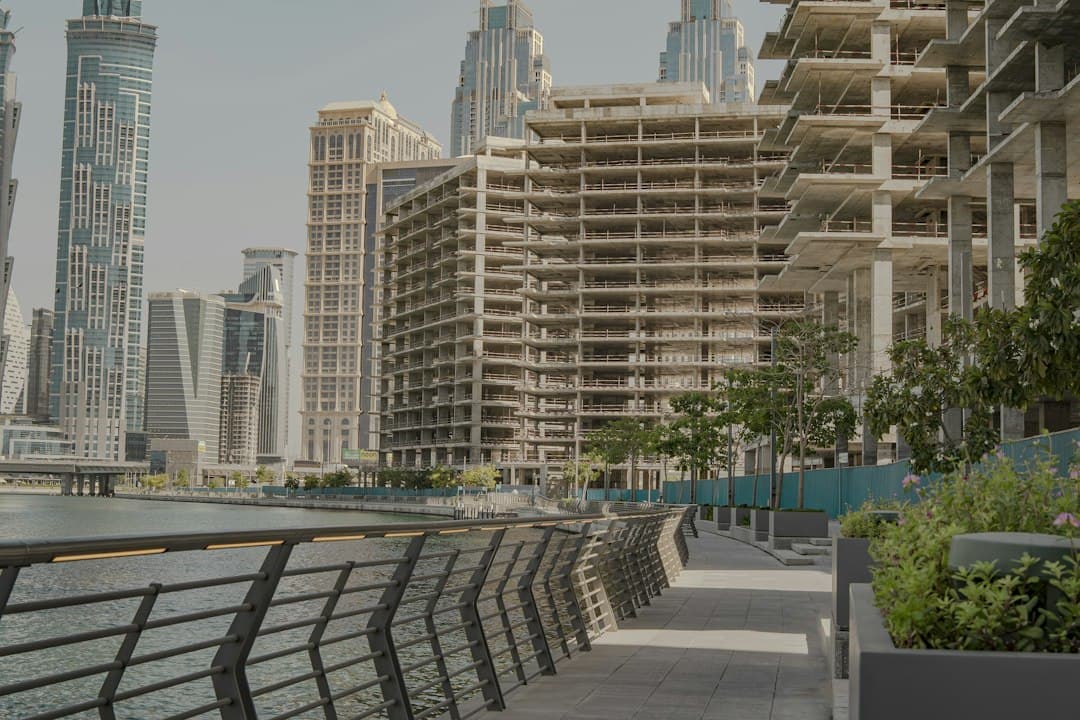
Al Barsha remains a solid, practical choice for 2026 property buyers seeking affordable apartments with steady rental demand and established infrastructure. The community offers good value compared to premium areas, consistent tenant interest, and a proven track record of modest capital appreciation. However, 2026 buyers must weigh an aging housing stock, market saturation from earlier developments, and limited new high-quality supply against Al Barsha's affordability and rental fundamentals—making it more suitable for yield-focused investors than capital-growth seekers.
What Makes Al Barsha Attractive to Property Buyers?
Al Barsha has earned its reputation as one of Dubai's most accessible communities for first-time and investor buyers. Located in Jebel Ali, roughly 20 kilometres south of Downtown Dubai, the area offers competitive pricing that remains significantly lower than marina or downtown alternatives. A typical 2-bedroom apartment in Al Barsha trades in the range of AED 700,000–950,000, depending on building age, finish, and exact location within the community.
The area's appeal rests on three key pillars: location, affordability, and rental stability. Al Barsha sits close to major employment hubs—the Dubai Internet City, Media City, and Jebel Ali Port are all within 15–25 minutes by car—making it attractive to expat workers and young professionals. Many tenants prefer the lower rents of Al Barsha apartments to the premium pricing of downtown or marina units, ensuring consistent demand from long-term lessees.
Rental Income and Yield Potential
For investors prioritising cash flow, Al Barsha's rental yields remain one of the community's strongest attributes. A typical 2-bedroom apartment renting for AED 45,000–55,000 annually on an AED 750,000 purchase represents a gross yield of 6–7.3%—significantly above the Dubai average. This makes Al Barsha appealing to buyers seeking immediate passive income rather than betting solely on capital appreciation.
The tenant base is stable and diverse: young professionals, small families, and expat workers who value proximity to job centres and prefer lower housing costs. Vacancy rates in Al Barsha remain relatively low compared to oversupplied communities, though they have edged upward since 2023 as new supply entered the broader Jebel Ali area.
What are realistic annual rental returns in Al Barsha?
- 1-bedroom apartments: AED 35,000–42,000 annually (5–6% gross yield)
- 2-bedroom apartments: AED 48,000–58,000 annually (6–7.5% gross yield)
- 3-bedroom apartments: AED 65,000–80,000 annually (5–6.5% gross yield)
- Villas (where available): AED 80,000–120,000 annually (5–6% gross yield)
These figures assume well-maintained units in central Al Barsha locations; buildings on the periphery or those requiring renovation typically yield 0.5–1% less.
Capital Appreciation: A Modest Outlook
Unlike Palm Jumeirah or Arabian Ranches, Al Barsha is not positioned as a capital-growth destination. Most properties purchased in the early 2010s have appreciated 15–25% over a decade—solid but not spectacular. A buyer who purchased an Al Barsha apartment for AED 600,000 in 2015 might reasonably expect it to be worth AED 700,000–750,000 today, assuming the unit remained well-maintained and the broader Dubai market remained stable.
Looking ahead to 2026, appreciation will depend heavily on broader Dubai market conditions and whether new supply in competing areas (Jebel Ali, Meydan Horizon, Dubai South) draws investor attention away from older Al Barsha units. Few analysts predict dramatic capital growth in 2026–2027; the focus is on rental yield and patient long-term holding.
Infrastructure, Amenities, and Community Quality
Al Barsha is a mature, well-serviced community. Shopping centres, schools, clinics, and dining options are abundant. The Jebel Ali Hospice and NMC Healthcare clinics serve medical needs, while schools including Amber Nursery and private academies cater to families.
However, the community's age shows in places. Most residential buildings were constructed between 2005 and 2015; newer developments are rare. Many older blocks lack modern finishes, smart home features, or trendy communal spaces that appeal to affluent buyers. This is partly why Al Barsha attracts budget-conscious investors rather than lifestyle buyers seeking premium finishes.
Key amenities in Al Barsha:
- Mall of the Emirates (adjoining area)
- Parks and green spaces along Sheikh Zayed Road
- Multiple schools and nurseries
- Healthcare facilities and clinics
- Supermarkets, restaurants, and retail
- Direct access to major arterial roads
Market Saturation and New Supply Challenges
A significant headwind facing Al Barsha in 2026 is market saturation. The community has been fully built out for over a decade, meaning virtually no new residential towers are entering the market. This lack of supply scarcity limits the appeal for investors betting on tight inventory driving prices higher—unlike emerging areas such as Dubai South or Meydan Horizon, where early buyers can benefit from phased release and pre-completion premiums.
At the same time, competing older communities—Jebel Ali itself, International City, and further-flung areas—have become cheaper alternatives, drawing budget-conscious tenants away from Al Barsha. This competitive pressure means rental growth in Al Barsha is likely to be flat or low single-digit in 2026–2027.
Al Barsha 2-Bedroom Apartments: Pricing and Availability
The 2-bedroom segment is Al Barsha's most popular and liquid category. Typical floor plans range from 1,200 to 1,450 square feet, with layouts featuring two en-suite bedrooms, a fitted kitchen, and a generous living area—a practical design that appeals to couples, small families, and investor-occupiers alike.
Ask prices for Al Barsha 2-bedroom apartments in 2026 typically span AED 700,000–950,000, depending on:
- Building age and renovation history
- Floor level (ground-floor and high-floor premiums/discounts)
- Finishing (original vs. upgraded)
- Exact sub-location (central vs. peripheral)
- Parking availability (1 or 2 spaces)
Negotiating power remains moderate; sellers are willing to move 3–7% from asking prices, particularly for cash sales or longer tenures.
Is Al Barsha Right for You in 2026?
Al Barsha suits specific buyer profiles more than others. It is an excellent fit for investors prioritising rental yield, first-time buyers with constrained budgets, and professionals seeking proximity to Jebel Ali employment zones. It is less suitable for buyers expecting significant capital growth, those demanding modern finishes and premium amenities, or those planning to live in the property themselves long-term (given the aging building stock and maintenance concerns).
Before committing, prospective buyers should also review competing neighbourhoods. Areas like our full property listings across Dubai include younger communities with modern designs and similar rental yields but potentially better long-term upside. Alternatively, use our Dubai Property Fees Calculator to model the true cost of purchase—including DLD transfer fees, agency commission, and registration—so you understand your total investment from day one.
Key Considerations Before Buying in Al Barsha
- Inspect the building's maintenance record: Aging structures can incur surprise major maintenance bills. Request the building's latest audit report and maintenance fees.
- Verify ROI against competing areas: Compare Al Barsha's yield to Jumeirah Village Circle or other emerging communities to confirm you are not overpaying for maturity.
- Check tenant laws and rent caps: Dubai's Rent Increase Index can affect your rental income; ensure you understand the current cap for your property type.
- Evaluate developer track record (if off-plan): Confirm the developer's history with on-time delivery and finish quality via our developer directory.
- Plan for holding period: Al Barsha is best suited to 7–10 year holds; shorter-term flipping is risky given low appreciation.
The Bottom Line: Al Barsha in 2026
Al Barsha remains a practical, low-risk choice for 2026 investors prioritising rental income and capital preservation over growth. Its affordability, stable tenant demand, and established infrastructure make it a solid foundation for a rental portfolio. However, the community's saturated market, aging building stock, and modest appreciation potential mean it is not a bet for speculators or lifestyle buyers expecting premium finishes and vibrant new construction.
If you align with Al Barsha's value proposition—steady yields, reliable tenants, and patient long-term holding—the community deserves serious consideration. If you are seeking capital growth, modern design, or a thriving, newly-built neighbourhood feel, you may find better value in emerging alternatives across Dubai.
Unsure how Al Barsha fits your investment goals? Our advisory team can walk you through your options, model rental returns, and identify neighbourhoods that match your timeline and risk appetite. Contact Immoworld DXB today for a confidential consultation, or explore our frequently asked questions for guidance on buying property in Dubai as a foreign investor.