
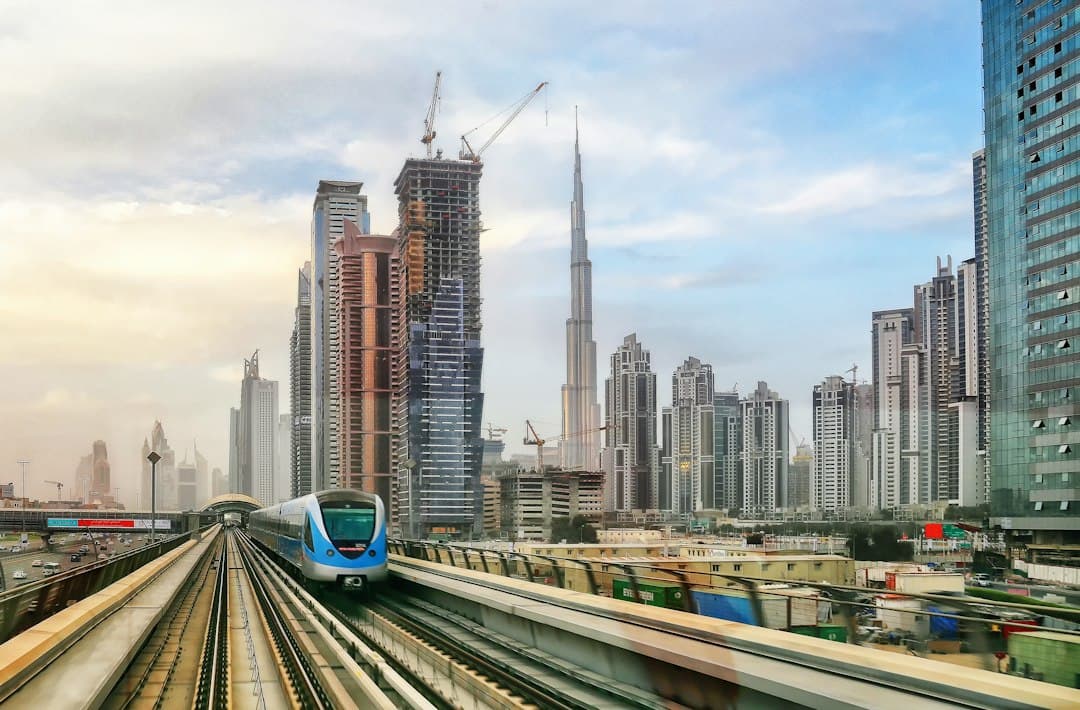
Dubai's infrastructure projects—particularly metro expansion, Expo 2020 developments, and new district hubs—create measurable, long-term impacts on property prices in connected neighborhoods. Properties within walking distance of metro stations typically command 8–15% price premiums over comparable units in areas without metro access. Expo 2020's permanent venues, including the Museum of the Future and sustainability pavilions, have catalyzed residential and commercial development across Dubai South and South Downtown, driving prices upward as infrastructure connectivity improves. Understanding these infrastructure-led price dynamics helps buyers identify emerging opportunities and established neighborhoods poised for sustained appreciation.
How Dubai Metro Expansion Drives Real Estate Values
The Dubai Metro remains one of the most powerful infrastructure drivers of property prices across the emirate. The Red Line and Green Line serve major residential and commercial neighborhoods, and each station catchment shows measurable price premiums compared to non-connected areas.
Properties within 800 meters of a metro station consistently command higher prices and generate stronger rental demand. A 2-bedroom apartment near a metro station typically rents 10–20% faster and attracts corporate tenants seeking commute convenience. Buyers prioritizing accessibility and long-term appreciation focus on metro-adjacent communities like Jumeirah Village Circle, which benefits from proximity to the Green Line, and emerging areas like Dubai South, where future metro extensions are planned.
The planned metro extensions—including routes to Expo City Dubai, Dubai South, and the airport's new T2 terminal—have already influenced off-plan pricing in adjacent communities. Developers launching projects in these zones price properties with infrastructure connectivity premiums baked into launch offers, recognizing that completed metro access will increase values by 15–25% over 5–7 years.
Expo 2020 Legacy: Reshaping Dubai's South Side
Expo 2020 Dubai left behind permanent infrastructure investments that continue reshaping the emirate's geography and property market. The 438-hectare site, now Expo City Dubai, includes museums, retail, hospitality, and residential zones that drive ongoing property development across Dubai South.
The Museum of the Future, one of Expo's centerpiece venues, has become a major tourism anchor attracting both visitors and residents seeking vibrant, culturally connected neighborhoods. Properties in Dubai South and surrounding areas have experienced accelerating appreciation as the broader district attracts hospitality investment, corporate relocations, and family communities. Master developers including Imtiaz and Nakheel have launched major residential projects in these zones, with pricing reflecting long-term infrastructure benefits.
Expo City's ongoing development—including new retail, dining, and entertainment—creates a secondary hub for resident activity and commercial density beyond Downtown Dubai. This decentralization drives demand for residential properties across Dubai South, Meydan Horizon, and connected communities, supporting steady price appreciation as amenities mature.
Understanding Dubai's Infrastructure Property Price Premium
Infrastructure-driven property price premiums in Dubai follow predictable patterns based on connectivity type and proximity. Understanding these premiums helps buyers evaluate whether asking prices reflect genuine long-term value or overheated speculation.
Metro Station Proximity Premium
Properties within 500 meters of a metro station command the strongest premiums—typically 12–18% above comparable units 1.5+ km away. This premium reflects genuine convenience, reduced parking dependence, and corporate tenant preference for metro-served locations. Studio and 1-bedroom apartments near metro stations are particularly sought-after by renters, supporting strong yield potential for investors.
Major Road and Highway Access
New highway corridors and road improvements also drive property value. The Jebel Ali-Lehbab Road expansion and upgrades to Sheikh Zayed Road connections reduce commute times and increase accessibility to employment centers, supporting price appreciation in adjacent neighborhoods like Downtown Jebel Ali (Sheikh Zayed Road).
Master-Planned District Hubs
New district infrastructure—including shopping centers, schools, healthcare facilities, and public parks—creates hubs that attract residents and support long-term property values. Areas like Meydan Horizon and emerging communities across Dubai South benefit from coordinated infrastructure rollouts that make neighborhoods self-contained and appealing to families.
Specific Infrastructure Projects Affecting 2025–2026 Property Prices
Several major infrastructure initiatives are actively reshaping property prices across Dubai's markets:
- Red Line Extension to Al Maktoum International Airport: Future metro connectivity to the new airport terminal will accelerate development and property appreciation in Dubai South and surrounding zones. Properties purchased today in this corridor offer significant long-term upside as infrastructure matures.
- Expo City Dubai Expansion: Ongoing amenity development and hospitality projects continue attracting residents and supporting prices across Dubai South and Meydan Horizon. Residential communities adjacent to Expo City benefit from proximity to cultural venues, retail, and employment centers.
- Dubai Waterfront and Port Development: Major waterfront infrastructure investments across Dubai South and Al Jadaf are attracting new residential development and driving prices upward as maritime connectivity improves.
- Downtown Jebel Ali Master Plan: Sheikh Zayed Road corridor upgrades and new district infrastructure are supporting property appreciation in Downtown Jebel Ali, attracting both owner-occupiers and investors seeking accessible location with lower entry pricing than Downtown Dubai.
- Dubai Islands Development: Ongoing infrastructure completion across Dubai Islands, including roads, utilities, and community amenities, supports steady price appreciation as the community matures toward full occupancy.
Which Property Types Benefit Most from Infrastructure Investment
Different property types capture infrastructure benefits at different stages of development. Understanding this timing helps strategic buyers optimize entry points and expected returns.
Apartments in Metro-Connected Communities
Apartments near metro stations or planned metro routes appreciate fastest in the 2–3 years immediately following infrastructure completion. Rental demand surges as corporate tenants prioritize commute convenience, supporting immediate yield gains for investors and steady price appreciation for owner-occupiers.
Townhouses in Emerging Master-Planned Communities
Townhouses in areas with coordinated infrastructure rollouts—like Dubai South and Meydan Horizon—appreciate more gradually but sustainably over 5+ years as schools, parks, and shopping centers open. Family-focused buyers driving this appreciation support long-term price stability even during market cycles.
Villas in Established, Infrastructure-Complete Communities
Villas in neighborhoods with mature infrastructure—like Arabian Ranches and Dubai Hills Estate—experience slower but consistent appreciation as demand remains steady and limited new supply keeps prices resilient. These communities benefit from established amenities, schools, and healthcare that continue attracting affluent buyers.
Infrastructure Investment Timeline and Property Price Impact
Property prices typically respond to infrastructure investment in predictable phases. Recognizing these phases helps buyers and investors time purchases strategically:
- Announcement Phase (0–12 months before infrastructure completion): Prices begin rising as speculative interest increases. Early-bird discounts from developers disappear as market consensus builds around the infrastructure benefit. Off-plan properties in announced connectivity zones appreciate 3–8% before infrastructure completion.
- Completion Phase (infrastructure opening): Prices spike 5–15% as buyers rush to capture connectivity benefits. Rental demand surges immediately. This is typically the worst time to buy, as prices already reflect full infrastructure value.
- Maturation Phase (2–5 years after completion): Prices stabilize and appreciate gradually in line with overall market growth. Rental demand remains strong as tenants value established connectivity. This is typically a better entry point than the completion phase, with lower prices but proven infrastructure value.
- Long-Term Phase (5+ years): Infrastructure benefits become normalized into baseline property values. Communities become established and attract homebuyers and families, supporting long-term value stability and modest appreciation in line with inflation and economic growth.
Strategic Buyer Considerations: Evaluating Infrastructure-Led Opportunities
Not all infrastructure-led properties offer equal value. Smart buyers evaluate infrastructure projects critically before committing capital.
Verify infrastructure completion timelines: Developers frequently announce infrastructure projects without guaranteed completion dates. Always verify timelines through Dubai Land Department (DLD) sources and official government announcements. Delays of 6–18 months are common and can impact price appreciation schedules.
Assess neighborhood maturity: Early-stage communities with planned infrastructure offer upside but carry timing risk. More established neighborhoods with completed infrastructure offer lower upside but greater certainty. Your investment timeline should match neighborhood maturity.
Compare pricing to infrastructure value: Some developers price properties with excessive infrastructure premiums already built in. Compare per-square-foot pricing to similar properties in nearby, established communities before committing. If premiums exceed 15–20%, timing risk may outweigh infrastructure benefits.
Calculate rental yield potential: Infrastructure-driven rental demand is often temporary, peaking 2–3 years after opening. For investors, evaluate whether base rental yield (without infrastructure-driven demand spikes) meets your return targets. Owner-occupiers benefit more from infrastructure convenience than potential rental premium.
How to Evaluate Infrastructure Impact on Your Target Property
Before purchasing, use this framework to assess whether infrastructure investments truly support a property's asking price:
1. Distance and accessibility: Measure actual walking distance to metro stations or new amenities. Properties more than 1.5 km away capture minimal infrastructure benefits. Properties within 500–800 meters capture maximum value.
2. Infrastructure completion status: Verify through DLD and government sources whether planned infrastructure is under construction, delayed, or simply announced. Announced-but-not-started projects carry significant timing risk.
3. Comparable pricing analysis: Research per-square-foot pricing in both the target property's community and nearby, established neighborhoods. Calculate whether asking price premiums exceed historical infrastructure appreciation ranges (8–15% is typical; significantly higher suggests overpricing).
4. Rental demand patterns: For investment properties, speak directly with rental agents about current demand, average rental rates, and whether renters specifically cite infrastructure benefits. Genuine infrastructure-driven demand creates measurable rental velocity.
5. Long-term neighborhood trajectory: Consider whether infrastructure improvements support broader neighborhood development or represent isolated amenities. Communities with coordinated, multi-phased infrastructure investment typically appreciate more sustainably than those with single-project catalysts.
The Bottom Line: Infrastructure as a Long-Term Price Driver
Dubai's infrastructure projects—metro expansion, Expo 2020 legacy development, and master-planned district creation—are real price drivers, not speculative hype. However, timing matters significantly. Buying during announcement phases captures speculative premiums; buying 2–3 years after completion captures real value at lower entry prices. Strategic buyers who understand infrastructure development cycles and match their purchase timing to project maturity maximize returns while minimizing timing risk.
Whether you're evaluating a metro-adjacent apartment, a Dubai South community property, or an established neighborhood investment, infrastructure accessibility should inform your pricing analysis and long-term appreciation expectations. For detailed guidance on evaluating specific properties or neighborhoods affected by current infrastructure projects, our advisory team at Immoworld DXB can provide neighborhood-specific analysis and help you understand how announced infrastructure impacts the communities you're considering. Contact us today to discuss your investment strategy or view available properties across Dubai's infrastructure-connected neighborhoods.