
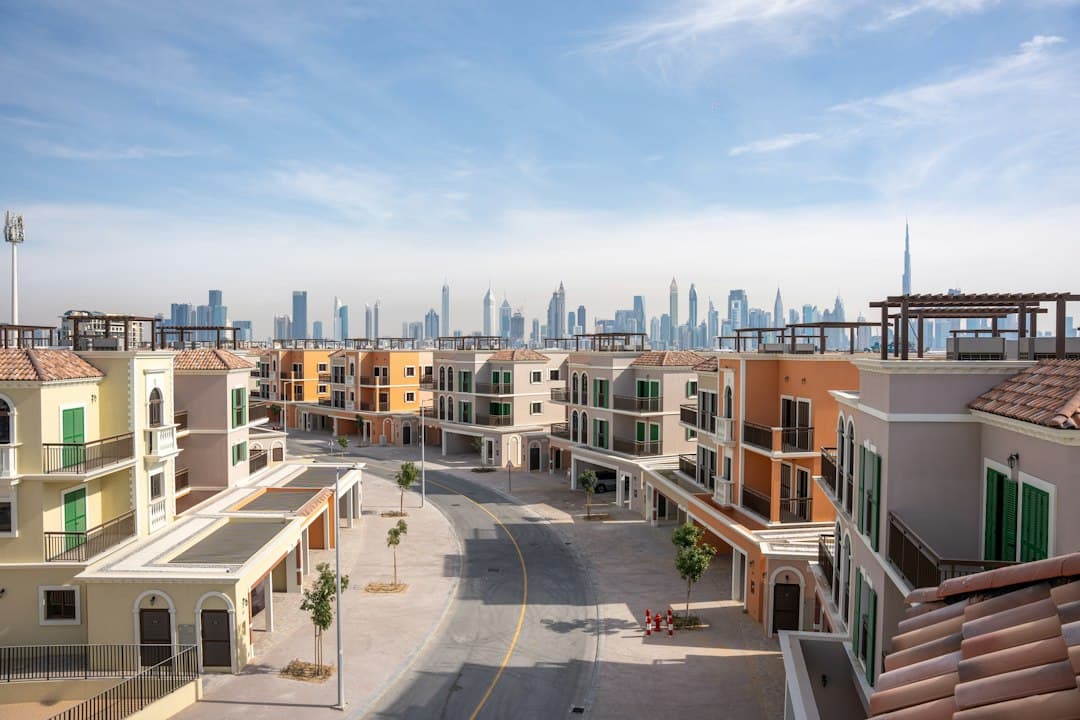
Off-plan handover in Dubai is a structured, multi-phase process that begins with a detailed pre-handover inspection (snagging) and concludes with formal legal registration, utility setup, and administrative completion with Dubai Land Department (DLD). The entire handover typically spans 4–8 weeks from the developer's initial readiness notice, moving through defect identification, remediation, final walkthrough, DLD registration, DEWA activation, and essential first-month administrative tasks. Understanding each phase and its deadlines ensures you transition from purchase agreement to full ownership without delays or missed compliance windows.
Understanding the Dubai Handover Timeline
The off-plan handover process in Dubai is not instantaneous. Developers typically notify buyers 30–60 days before the building is ready, giving you time to arrange snagging inspection, secure financing, and coordinate utility setup. The formal handover process then unfolds across five distinct phases, each with specific deadlines and required actions.
Most buyers assume handover means receiving keys. In reality, keys represent only the midpoint of a broader administrative process that continues for 30–60 days after you take physical possession. This distinction is critical because missing DLD registration deadlines or utility deadlines can incur penalties and complicate future refinancing or resale.
Phase 1: Snagging Inspection (Pre-Handover)
Before you formally accept handover, you have the contractual right to conduct a detailed inspection of the property to identify construction defects, finishing issues, and safety concerns. This phase is called snagging or defect inspection. Most developers allow a snagging window of 5–10 days before formal handover.
During snagging, you—or a qualified snagging inspector—systematically check structural integrity, plumbing, electrical systems, HVAC, appliances, paintwork, tiling, and fixtures. Common defects include hairline cracks, leaking taps, misaligned doors, electrical socket faults, and incomplete finishing. You document every defect and submit a formal snagging list to the developer.
What to Document During Snagging
- Structural: Hairline cracks in walls or ceilings, uneven floors, misaligned windows or doors
- Plumbing: Leaking taps, weak water pressure, drainage issues, unfinished pipework
- Electrical: Non-functional outlets, faulty switches, incomplete wiring, missing light fixtures
- HVAC & Cooling: Non-functional air conditioning, missing chiller connections, ductwork issues
- Finishing: Paint defects, chipped tiles, unfinished surfaces, misaligned baseboards
- Safety: Missing handrails, incomplete fire safety equipment, defective locks or security systems
The developer has a contractual obligation to remedy all identified defects before final handover. If defects are minor, they may be rectified within days. Serious structural issues may delay handover by weeks. You do not formally accept the property until you're satisfied all major defects have been addressed.
Phase 2: Final Walkthrough and Keys Handover
Once snagging defects are remedied, the developer schedules a final walkthrough. You inspect the completed work, confirm all defects have been resolved, and sign a handover acknowledgment document. At this point, the developer formally transfers keys and utilities (water and electricity) to your name.
The handover document is a critical legal record. It officially marks the date you took possession of the property. This date triggers several important deadlines: you have 30 days to complete DLD registration, and utility setup must begin within days to avoid service interruptions.
During final handover, the developer also provides you with critical documents: building warranty documentation, maintenance manuals for appliances and systems, and utility meter readings. Keep these carefully—you'll need them for future maintenance, warranty claims, and when registering with utilities.
Phase 3: DLD Registration and Legal Transfer
After taking physical possession, you must legally register the property transfer with Dubai Land Department (DLD) within 30 days. This is a non-negotiable deadline; failure to register within this window incurs daily penalties and complicates future resale or refinancing.
DLD registration involves several steps. First, your real estate agent or lawyer prepares the title deed and transfer documents, using the property's final valuation (determined by DLD's valuation team). You then pay DLD transfer fees—typically 4% of the property's DLD-assessed value—plus a flat registration fee of approximately AED 570–950 depending on property type.
DLD Registration Checklist
- Obtain the developer's completion certificate and NOC (No Objection Certificate)
- Receive the property's DLD valuation assessment
- Calculate DLD transfer fees (4% of DLD value) using Immoworld DXB's fees calculator
- Prepare title deed and transfer documents with your agent or lawyer
- Visit DLD to complete registration or use an authorized agent
- Receive the registered title deed (Tawtheeq) in your name
After DLD registration is complete, you officially own the property and can proceed with utility setup, mortgage registration (if applicable), and rental registration if you plan to lease the unit.
Phase 4: Utility Setup and DEWA Registration
Simultaneously with DLD registration, you must activate utilities. DEWA (Dubai Electricity and Water Authority) provides electricity and water; you separately arrange internet with a service provider of your choice, and chiller installation for air conditioning (in most Dubai apartments, cooling is managed by a centralized chiller system rather than individual units).
DEWA Registration Steps
Contact DEWA within 5 days of taking handover. You'll need your passport, DLD receipt or title deed copy, and a meter reading from the final walkthrough. DEWA will assign account numbers for electricity and water, process your application within 2–3 working days, and activate services. First-time setup typically incurs a one-time connection deposit of AED 2,000–4,000, refundable if you maintain good standing.
Internet setup is handled separately. Major providers include Etisalat, du, and Zain. Contact your preferred provider immediately after handover; installation typically takes 5–10 working days and costs AED 200–500 for setup plus monthly subscription fees.
Chiller installation is critical if your building uses a centralized cooling system. Coordinate this with the building management office immediately after handover. Costs range from AED 2,500–6,000 for a standard apartment and typically take 3–5 working days. Delays in chiller setup can make the property uninhabitable during Dubai's hot months.
Phase 5: First-Month Administrative Tasks
Within 30 days of handover, you must complete several administrative tasks beyond DLD and utilities. These include registering with your building's management office, setting up building insurance (if required by your mortgage), and—if you plan to rent the property—registering a tenancy contract with Ejari (the Dubai Rental Registry).
Building registration typically costs AED 500–2,000 annually and covers building maintenance, security, communal area upkeep, and waste management. Payment is often split into monthly service charges deducted from your utility bill or through a separate invoice. Service charges vary by building and location, typically ranging from AED 15–50 per square foot per year.
If you're renting the property, you must register the tenancy contract with Ejari within 30 days of the tenant moving in. Ejari registration costs approximately AED 100–200 and is a mandatory legal requirement. Failure to register incurs penalties and voids the tenancy contract's legal protections.
Common Handover Delays and How to Avoid Them
While most handovers proceed smoothly, delays do occur. Understanding common causes helps you anticipate and mitigate them. The most frequent delays stem from unresolved snagging defects, missing developer documentation, financing delays, or utility service interruptions.
To minimize delays, conduct snagging inspection immediately upon the developer's notification. Submit your defect list within the contractual window. Follow up actively with the developer during remediation. Ensure all documentation—completion certificate, building warranty, valve locations, meter readings—is collected during final walkthrough. Arrange financing approval before handover readiness to avoid last-minute loan processing. Pre-coordinate DEWA and internet activation for immediate setup after taking keys.
What Happens if Defects Aren't Fixed Before Handover?
Developers occasionally pressure buyers to accept handover despite unresolved defects. You should never accept handover of serious defects. Your contractual right to snagging protection exists specifically for this scenario.
If the developer refuses to remedy major defects, you can formally reject handover. This puts the developer in breach of contract and may trigger dispute resolution or legal intervention. Minor cosmetic defects—small paint chips, minor caulking gaps—are often remedied after handover on a scheduled basis. Structural or safety defects must be resolved before you accept possession.
Document everything: photograph defects, keep all communications with the developer, and retain copies of your snagging list and the developer's responses. If disputes arise later, this documentation becomes critical evidence.
Post-Handover: Key Deadlines to Remember
After taking handover, you're juggling multiple concurrent deadlines. Missing any of these creates complications:
- DLD Registration: 30 days from handover date (penalty applies after deadline)
- DEWA Activation: Within 5–7 days of handover (to avoid service gaps)
- Building Registration: Within 30 days (required before occupancy in many buildings)
- Ejari Registration (if renting): Within 30 days of tenant moving in
- Mortgage Registration (if financed): Within 30 days of handover (required by banks)
- Chiller Installation: Within 14 days (essential for habitability)
A detailed post-handover checklist helps you track these deadlines and ensure nothing is missed. Many first-time buyers benefit from hiring a local property manager or using their real estate agent to coordinate these tasks.
How Immoworld DXB Supports Handover
Navigating handover independently is manageable but time-consuming and error-prone. Immoworld DXB's advisory process guides buyers through every stage—from pre-purchase evaluation through post-handover administration. Our team coordinates snagging inspection, manages DLD registration paperwork, facilitates utility setup, and ensures all deadlines are met.
When you purchase an off-plan property through Immoworld DXB, your relationship with us doesn't end at purchase. We remain engaged through handover, providing transparent guidance on costs, timelines, and next steps. Whether you need snagging inspector recommendations, fee calculations, or post-handover checklist support, our advisors are available to answer questions and clarify the process.
Conclusion: Handover Is a Process, Not a Single Event
Off-plan handover in Dubai is structured, multi-phase process that extends well beyond receiving keys. It encompasses snagging inspection, legal DLD registration, utility activation, and critical administrative tasks—all with specific deadlines and legal requirements. Understanding each phase reduces stress and prevents costly oversights.
The good news is that handover is entirely manageable if you plan ahead, engage qualified professionals, and stay organized with deadlines. Most Dubai handovers complete smoothly within 6–8 weeks when buyers proactively manage each phase and stay in regular contact with their developer and service providers.
If you're purchasing an off-plan property and want expert guidance through handover, contact Immoworld DXB's advisory team. We'll walk you through every step, answer your specific questions, and ensure you transition to ownership with confidence and clarity.