
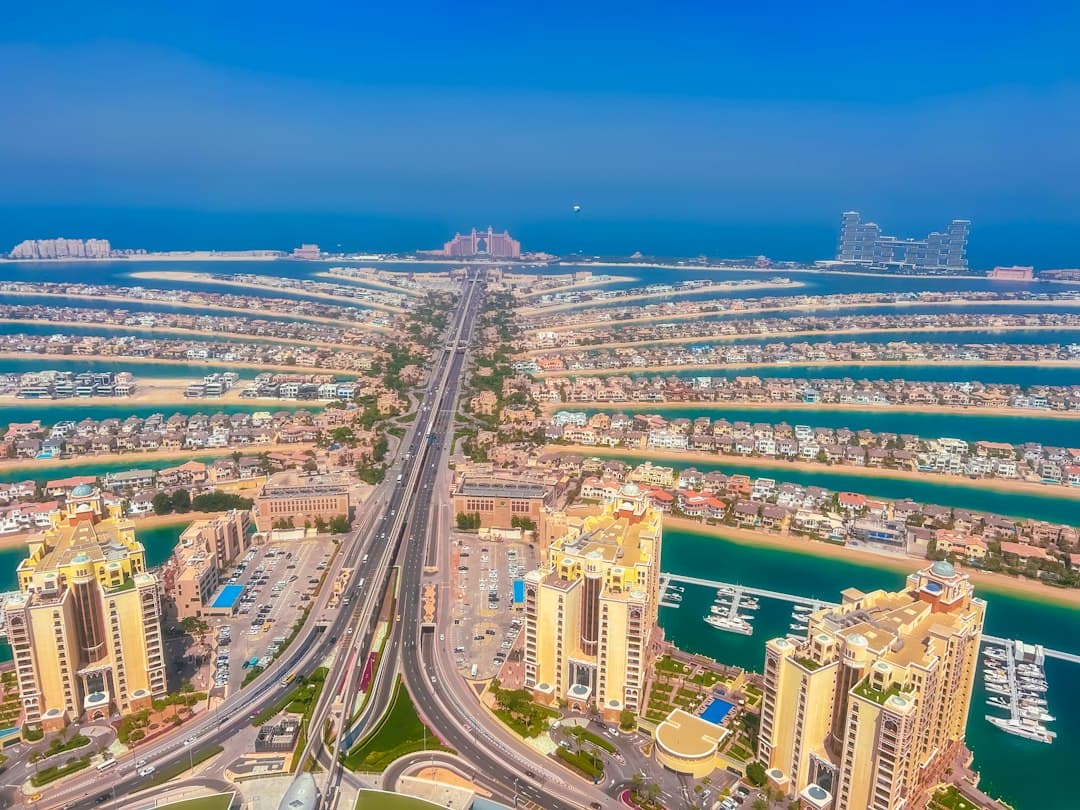
Palm Jumeirah is Dubai's most iconic waterfront residential address, built on an artificial palm-shaped island and home to luxury villas, townhouses, and waterfront apartments. First-time residents should expect premium living costs—villas typically range from AED 3 million to over AED 15 million, depending on size and beachfront location—along with sophisticated community amenities, consistent capital appreciation, and access to exclusive beaches, marinas, and fine dining. The Palm offers a unique lifestyle blend of waterfront tranquility, established infrastructure, and proximity to Dubai's core attractions, though new residents must navigate service charges, community regulations, and the practical logistics of island living.
Understanding Palm Jumeirah's Layout and Neighborhoods
Palm Jumeirah consists of three distinct residential zones arranged along the palm fronds: the trunk (mainland connection), the upper frond, the middle frond, and the lower frond. Each zone has a different character, pricing structure, and community feel. Understanding the geography before committing to a property is essential for matching your lifestyle expectations to the right location.
The Trunk and Gateway Communities
The trunk—the narrow strip connecting the Palm to the mainland—houses smaller apartments, townhouses, and commercial spaces. This area offers the most affordable entry point to Palm living, with prices starting around AED 1.2 million for studios and one-bedroom units. Residents here enjoy the Palm address and island amenities without the premium villa cost, though the setting is more urban and less exclusive than frond residences.
Frond Neighborhoods and Villa Districts
The upper, middle, and lower fronds contain the iconic single-family villas and townhouses that define the Palm's luxury reputation. Upper frond properties command the highest premiums due to beachfront access and privacy; middle and lower frond villas offer more value while maintaining exclusive island status. Each frond has its own private beach access, security gate, and community amenities, creating a sense of neighborhood within the larger development.
Real Living Costs on Palm Jumeirah
Beyond the purchase price, Palm residents must budget for service charges, utilities, and community maintenance that are significantly higher than mainland Dubai. Understanding the full cost picture before moving in prevents financial surprises and helps you plan your annual budget realistically.
Annual Service Charges
Palm Jumeirah service charges range from AED 8 to AED 18 per square foot annually—well above Dubai averages. A typical 4-bedroom villa (around 4,000 sq ft) incurs service charges of AED 32,000–AED 72,000 per year. These charges cover island infrastructure maintenance, beach upkeep, security, landscaping, waste management, and community amenities like parks and recreational facilities. Unlike mainland communities, the Palm's island status means higher ongoing maintenance costs to preserve the artificial landscape and shoreline.
Utility and Chiller Costs
DEWA electricity and water bills are comparable to mainland Dubai, though cooling demands in beachfront villas can be higher during summer months. Chiller system maintenance for larger villas typically costs AED 2,000–AED 5,000 annually. Many newer villas include district cooling as part of their infrastructure, which simplifies billing and maintenance but is reflected in higher service charges.
DLD Transfer Fees and Registration
When purchasing on the Palm, DLD transfer fees equal 4% of the registered property value. Using Dubai Property Fees Calculator will give you an exact breakdown based on your purchase price. For a AED 5 million villa, expect approximately AED 200,000 in transfer fees alone, plus agency commission and registration costs.
Community Amenities and Lifestyle
The Palm offers residential amenities that rival five-star resorts, making it attractive to buyers prioritizing lifestyle convenience and exclusivity. Before committing, verify which amenities are included in your specific frond or neighborhood, as offerings vary by developer.
Beach Access and Water Recreation
Each frond has private beach access reserved exclusively for residents, a major draw for families and beach lovers. Water sports facilities, including jet ski rentals, paddleboarding, and boat launching, are available at multiple marinas. The Palm Jumeirah Beach Club offers additional recreation, dining, and social spaces catering to residents and their guests.
Dining, Retail, and Entertainment
The Palm is home to high-end restaurants, cafes, and retail boutiques concentrated near the trunk and central communal areas. Notable establishments include fine dining destinations overlooking the Arabian Gulf and casual beachfront venues. However, selection is more limited compared to mainland neighborhoods like Dubai Marina or Downtown Dubai, so residents often venture off-island for broader shopping and dining variety.
Schools and Family Amenities
Several private schools operate on or near the Palm, including Emirates International School and Palm Jumeirah-specific educational facilities. Recreation centers, kids' clubs, and family-oriented amenities are built into most fronds. Families considering the Palm should research school enrollment timelines and capacity, as popular institutions fill quickly.
Security and Community Governance
The Palm operates as a gated, secured residential island with 24/7 security presence, controlled access points, and community management governed by Nakheel Properties, the master developer. Understanding security protocols and community rules is important for new residents transitioning to island living.
Access Control and Gate Security
All entry to the Palm is regulated through security gates, with separate checkpoints for residents, guests, and service personnel. Residents receive access cards or biometric entry; visitors must be registered or escorted by residents. This level of security appeals to privacy-conscious buyers but requires planning for regular guests and service providers.
Community Regulations and HOA Governance
The Palm's community is governed by a homeowners' association (HOA) and Nakheel's community management team. Residents must comply with aesthetic guidelines regarding exterior modifications, pet policies, rental restrictions, and garden maintenance. Some fronds restrict short-term vacation rentals or limit rental frequency, so investors should verify rental policies before purchase.
Transportation and Getting Around Dubai
While the Palm is architecturally iconic, its island location means residents are somewhat removed from mainland Dubai's urban core. Understanding transportation logistics—commute times, road connections, and public transit—is essential for realistic lifestyle planning.
Road Access and Commute Times
The Palm connects to mainland Dubai via a single main road (the Palm Jumeirah Road), which merges into Sheikh Zayed Road and other major arteries. Commuting to Downtown Dubai (10–15 km away) typically takes 20–35 minutes depending on traffic conditions. During rush hours, the connection can become congested, particularly during school drop-off and pickup times.
Public Transportation Limitations
The Palm has limited metro or bus connectivity compared to central Dubai neighborhoods. While the Red Line metro runs near the Palm's trunk connection, most residents rely on private vehicles for daily mobility. Taxis and ride-sharing apps operate on the island, though waiting times may be longer than in core urban areas.
Investment and Resale Potential
Palm Jumeirah property has historically appreciated steadily, driven by scarcity, brand prestige, and consistent international demand. However, buyers should approach the Palm as a long-term hold (5+ years minimum) rather than a quick flip, as transaction costs and market timing significantly impact returns.
Capital Appreciation Track Record
Over the past decade, Palm villas have appreciated 3–5% annually on average, outpacing many Dubai neighborhoods. Waterfront and beachfront properties command premium appreciation due to limited supply. However, 2025–2026 market conditions are more competitive, with broader Dubai property inventory increasing, so appreciation rates may moderate compared to historical trends.
Rental Income and Investor Considerations
Palm villas typically yield 3–4% gross annual rental income, attractive to buy-to-let investors. High-end villas targeting international renters and corporate leasing perform well, while smaller apartments on the trunk face more competition from adjacent communities. Verify rental restrictions in your specific frond, as some areas limit short-term holiday rentals, which impacts yield calculations.
Comparing Palm Jumeirah to Alternative Waterfront Communities
For luxury waterfront living in Dubai, Palm Jumeirah competes with Dubai Marina, Palm Jumeirah's direct market comparisons, and emerging waterfront developments. Understanding the differences helps you weigh options and confirm Palm is right for your needs and budget.
Dubai Marina offers similar waterfront lifestyle with higher density, more dining and retail, better public transport connectivity, and lower purchase prices (apartments from AED 800,000–AED 3 million). The Palm emphasizes exclusivity, larger standalone properties, and privacy—at a premium cost. Choose based on whether you prioritize walkable urban convenience (Marina) or private beachfront tranquility (Palm).
Practical First Steps for New Residents
After purchasing on the Palm, new residents should follow a structured handover and setup process to ensure smooth transition and compliance with community requirements.
- Complete property handover and snagging: Hire a professional snagging inspector to identify construction defects before formally accepting delivery from the developer. This typically takes 1–2 weeks.
- Register with DLD: Within 30 days of handover, register your property with Dubai Land Department (DLD). This secures legal ownership and enables mortgage refinancing or future resale.
- Set up utilities with DEWA: Apply for DEWA electricity and water accounts before moving in. Arrange chiller system installation and testing if not pre-installed.
- Register internet and phone: Contact Etisalat or Du for broadband and mobile services. Island locations may have service delays, so order early.
- Understand community rules: Review HOA regulations regarding landscaping, exterior modifications, pet policies, and parking. Attend community orientation if offered by Nakheel.
- Explore local services: Identify nearby clinics, grocery delivery options, and gas stations. The Palm trunk has basic retail, but many residents shop at mainland hypermarts for weekly groceries.
Final Verdict: Is Palm Jumeirah Right for You?
Palm Jumeirah delivers on its promise of iconic, exclusive waterfront living—but only if you value privacy, beachfront access, and architectural prestige over walkable urban convenience and lower costs. The community suits affluent families seeking spacious villas, executives wanting premium isolation, and international investors betting on long-term Dubai appreciation.
First-time residents should confirm they're prepared for higher annual costs (service charges, utilities, and maintenance), limited public transit, and a semi-suburban island lifestyle that contrasts with downtown urban energy. If those trade-offs align with your priorities, the Palm's unmatched location, consistent appreciation, and lifestyle amenities justify the investment.
Ready to explore Palm Jumeirah properties or compare with other neighborhoods? Contact Immoworld DXB's advisory team to discuss your budget, lifestyle needs, and investment timeline. We'll guide you through properties, negotiate on your behalf, and manage the entire purchase and handover process, ensuring you find the right home on Dubai's most prestigious address.