
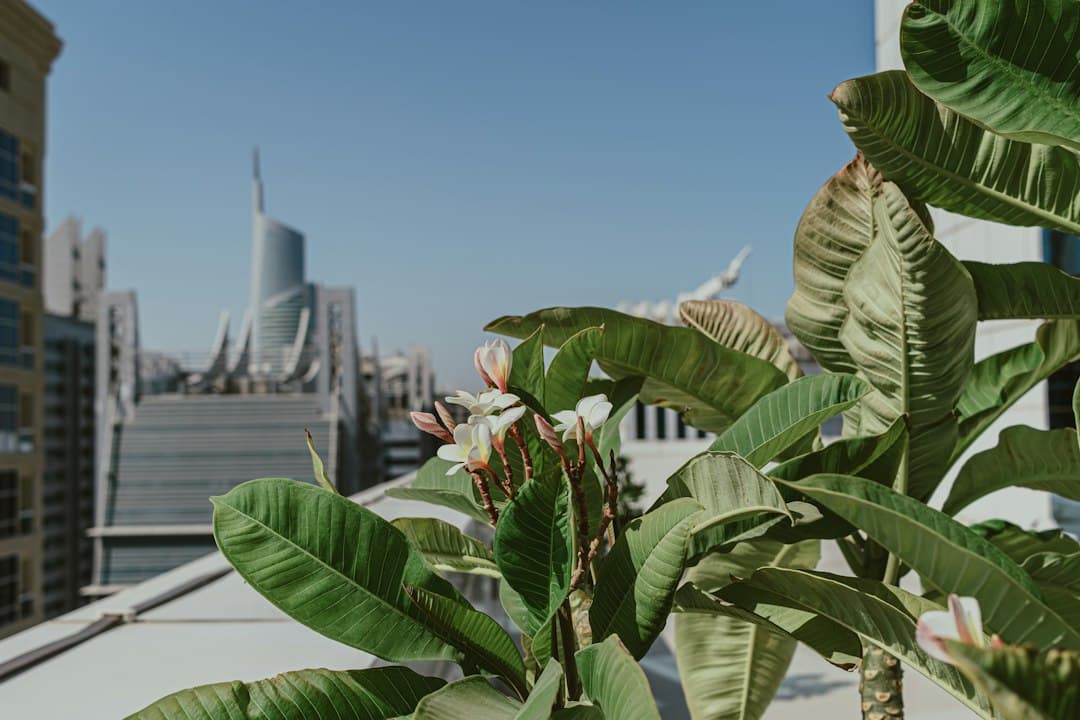
Sustainable and energy-efficient decor in Dubai isn't optional—it's practical necessity. Dubai's extreme heat, with summer temperatures exceeding 50°C, creates relentless cooling demands that spike energy bills and strain DEWA resources. Strategic decor choices—light wall colors, heat-blocking textiles, reflective finishes, natural ventilation, and passive shade—directly reduce indoor temperatures and air-conditioning runtime, lowering monthly energy costs by 15–30%. Coupling these choices with renewable materials and water-conscious furnishings creates homes that are both environmentally responsible and financially smart.
Why Sustainable Decor Matters in Dubai's Climate
Dubai's cooling season stretches across nine months. From May through September, outdoor temperatures regularly exceed 45°C, and peak demand for air conditioning compounds the emirate's carbon footprint and energy costs. A typical Dubai apartment spends 40–50% of its annual energy budget on cooling alone—far higher than temperate climates. Sustainable decor works with passive design principles to reduce this burden.
Sustainable choices aren't compromises on style. Modern materials—from recycled fabrics to low-VOC paints to heat-reflective films—now deliver the aesthetics of luxury while performing environmentally. Investing in quality, durable pieces also reduces waste over time, making sustainability an investment that pays forward.
Color Strategy: Light Tones Reduce Heat Load
Color science directly impacts interior temperature. Light colors reflect solar radiation and reduce heat absorption, while dark tones absorb and re-radiate warmth. In Dubai's climate, color choice becomes a functional design decision, not merely aesthetic.
Optimal Wall Colors
Paint walls in soft whites, pale grays, warm creams, or champagne tones. These reflect up to 85% of incoming light, keeping interiors cooler than mid-tone alternatives. Matte or soft finishes prevent glare while maintaining the reflective benefit. Avoid deep grays, charcoals, or navy—they absorb heat and force air conditioning to work harder, raising DEWA costs noticeably.
Consider accent walls in soft blues or greens, which create visual relief without significant heat absorption. These colors also promote a sense of calm, particularly valuable in high-stress climates.
Ceiling and Trim Choices
Paint ceilings bright white or off-white to reflect heat downward. Many Dubai apartments feature white ceilings for precisely this reason. Trim and baseboards in matching or neutral tones extend the reflective benefit without visual disruption.
Window Treatments: Strategic Shade and Ventilation
Windows are the primary source of solar heat gain in apartments. Strategic treatments block direct sunlight while maintaining aesthetic appeal and allowing passive ventilation during cooler months.
Heat-Blocking Textiles
Install thermal-lined curtains or cellular shades with reflective backing. These reduce heat transmission by 25–40% compared to standard curtains. Motorized cellular shades, controlled on timers, automatically close during peak heat hours (10am–4pm) and open during cooler evenings for natural ventilation and daylighting.
Sustainable options include shades made from recycled polyester or organic cotton blends. Brands offering eco-certified thermal treatments are now readily available across Dubai home decor retailers.
External Shading Solutions
Balcony privacy screens and external louvres serve dual purposes: they enhance privacy and reduce solar heat by blocking direct sun before it penetrates glass. Outdoor roller shades in light colors are particularly effective. Cedar or bamboo screens add natural aesthetic while providing thermal performance.
Flooring: Reflective and Heat-Resistant Materials
Floor choice directly affects perceived interior temperature. Tile, marble, and polished concrete naturally stay cooler and reduce heat absorption compared to dark wood or carpet.
- Marble and limestone: Light-colored stone naturally reflects heat and maintains cooler surface temperatures. Sustainable sourcing is increasingly important; verify that stone originates from responsible quarries.
- Ceramic and porcelain tile: Glazed finishes in light tones reflect light effectively. Look for tiles manufactured using recycled materials or low-energy production methods.
- Polished concrete: Sealed polished concrete is durable, minimalist, and naturally cool. It reduces the need for replacements, lowering lifecycle environmental impact.
- Eco-friendly wood alternatives: If wood is preferred, choose sustainably certified bamboo or rapidly renewable materials. Light finishes maintain the reflective benefit.
Avoid dark carpeting or dark wood in high-sun areas. If carpet is essential for comfort or sound dampening, choose light-colored, low-pile options in wool or recycled nylon—durable materials that last longer and require less frequent replacement.
Furnishings: Sustainable Materials with Thermal Benefits
Furniture choice matters beyond aesthetics. Sustainable options combine durability with passive thermal performance.
Natural Fiber Textiles
Sofas, chairs, and cushions in breathable natural fibers—linen, organic cotton, or hemp blends—allow air circulation, reducing heat buildup. These materials are inherently cooler to the touch than synthetic polyester, particularly important for seating in living areas. Organic certifications ensure the fibers are grown without harmful pesticides.
Low-VOC and Sustainable Furniture
Choose furniture made from responsibly sourced wood or reclaimed materials. Low-VOC finishes and adhesives reduce off-gassing, particularly important in Dubai's sealed, air-conditioned environments where indoor air quality compounds heat stress.
Modular, timeless designs reduce future replacements. A well-designed sofa in a neutral tone lasts decades with minor updates, lowering lifecycle waste compared to trend-driven pieces.
Lighting: Energy-Efficient and Biophilic Design
Lighting represents 15–20% of residential energy use. Strategic lighting reduces both energy draw and perceived heat.
LED Technology
Replace all incandescent and halogen bulbs with LED equivalents. LEDs consume 75% less energy than incandescent bulbs and produce significantly less waste heat—a critical advantage in Dubai's climate. Warm white LEDs (2700K) create ambiance without the thermal load of older bulbs.
Daylighting Strategy
Maximize natural daylight during cooler months (October–April) using reflective surfaces and mirrors to bounce light deeper into apartments. This reduces daytime electrical lighting demand and aligns circadian rhythms, improving sleep and reducing stress during long cooling-dependent months.
Biophilic Elements
Living plants improve air quality and psychological comfort. Low-water ornamental plants—date palms, snake plants, or pothos—thrive indoors with minimal irrigation. These reduce cooling perceived load through evaporative cooling and visual relief from the arid climate outdoors. Group plants near windows to maximize their indirect-light tolerance and cooling benefit.
Water-Conscious Decor Choices
Dubai's water scarcity makes hydration-efficient decor essential. Choose indoor plants and fountains conservatively, focusing on water-efficient species and closed-loop fountain systems that recirculate.
If incorporating water features, use recirculating fountains with minimal evaporation loss. Avoid water-dependent living walls or elaborate aquaponics systems unless integrated with efficient, automated systems—they can waste significant water in Dubai's arid climate without proper engineering.
Material Sourcing: Certification and Lifecycle Impact
Sustainable decor extends beyond functional performance to lifecycle responsibility. When purchasing furnishings and materials, prioritize certifications that verify environmental claims.
- FSC Certification: Ensures wood originates from responsibly managed forests.
- GOTS (Global Organic Textile Standard): Verifies organic cotton and natural fiber sourcing without harmful chemicals.
- Cradle to Cradle Certification: Confirms materials can be recycled or safely composted after use, eliminating waste.
- LEED and WELL Building Standards: Many Dubai developments follow these standards; understanding them helps identify higher-performance apartments.
When furnishing an apartment, buy durable, timeless pieces over trendy items. A sustainably made sofa that lasts 15 years has lower environmental impact than three cheaper sofas replaced every five years.
Connecting Sustainable Decor to Your Dubai Home
Sustainable decor thrives when paired with an apartment designed for passive performance. Newer developments increasingly integrate green design—better insulation, efficient HVAC systems, and smart cooling controls—creating foundations on which sustainable decor builds maximum impact. Browse apartments across Dubai that prioritize energy efficiency and sustainable building practices, then layer sustainable decor choices to optimize performance further.
If you're purchasing off-plan, understanding a developer's sustainability commitments helps guide decor decisions. Explore Dubai's leading developers to identify those prioritizing green construction and energy-efficient systems. Developments like those in Jumeirah Village Circle and Dubai South are increasingly incorporating sustainable infrastructure that complements thoughtful decor choices.
Planning your move involves coordination beyond decor—utility setup with DEWA, DLD registration, and administrative tasks all shape your home's initial energy footprint. Optimizing DEWA setup and chiller configuration before moving in ensures sustainable decor works within efficient home systems from day one.
Conclusion: Sustainable Style Meets Dubai's Climate Reality
Sustainable and energy-efficient decor in Dubai isn't a compromise—it's smart design that acknowledges climate reality while reducing environmental impact and monthly costs. Light colors, heat-blocking textiles, reflective finishes, natural materials, and strategic lighting create comfortable, stylish homes that perform efficiently in extreme heat. These choices compound: a light wall color alone may reduce cooling load by 5–10%, but combined with thermal-lined curtains, efficient lighting, and sustainable furnishings, the cumulative reduction approaches 20–30%.
Begin with high-impact choices—wall color and window treatments—then layer sustainable furnishings and materials over time. Each decision builds toward a home that balances luxury, comfort, and environmental responsibility. If you're searching for a Dubai apartment with a foundation for sustainable living, our team can guide you toward developments and neighborhoods that complement your decor vision. Contact Immoworld DXB to discuss how to integrate sustainable design into your next Dubai home.