
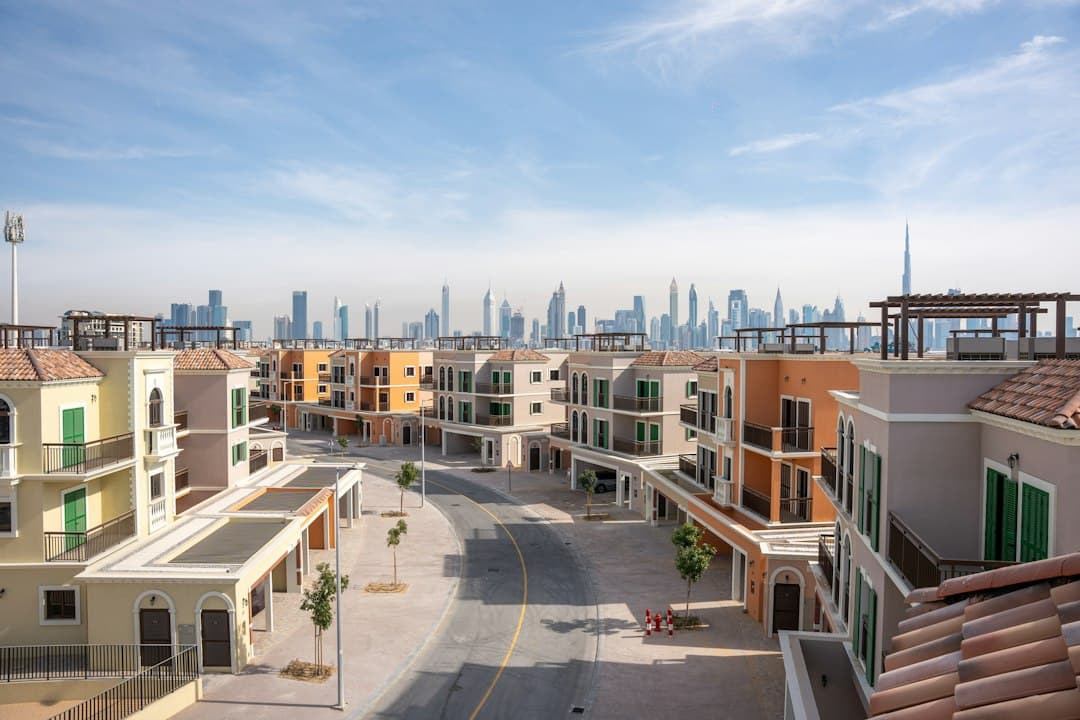
After buying property in Dubai, your first priorities are securing legal ownership through DLD (Dubai Land Department) registration, setting up utilities with DEWA, hiring a snagging inspector to identify construction defects, and filing your Ejari tenancy contract. The handover process spans several weeks and requires coordinated action across legal registration, utility companies, property inspections, and administrative services. Missing deadlines or skipping steps can create compliance issues, service delays, and financial penalties. This guide walks you through the 10 essential tasks you must complete immediately after taking possession of your Dubai property.
1. Conduct a Property Snagging Inspection Before Formal Acceptance
The moment you receive the handover keys, do em>not/em> immediately sign the final DLD acceptance documents. Instead, hire a professional snagging inspector to conduct a thorough pre-handover walkthrough. Property snagging in Dubai involves checking for construction defects, finishing issues, and safety concerns before you formally take possession.
A qualified snagging inspector will document defects including structural cracks, plumbing leaks, electrical faults, paint runs, tile misalignment, and appliance malfunctions. Most developers allow a 30-day defect remediation period after handover — but only if you've formally reported issues in writing. Without a professional inspection report, you lose leverage to demand repairs.
Hiring a snagging inspector in Dubai costs between AED 2,000 and AED 8,000 depending on property size, but it's an investment that prevents far costlier fixes later. If you're confident in your own inspection skills, use a DIY snagging checklist to inspect structural, cosmetic, and utility issues yourself before calling a professional.
2. Complete DLD Registration and Legal Ownership Transfer
DLD registration is the legal process that transfers property ownership from the developer (or previous owner) to your name in Dubai's official property records. This is non-negotiable and must be completed within strict timeframes — typically 30 days of handover.
Your real estate agent or property lawyer will submit the following documents to DLD:
- Signed sale and purchase agreement (SPA)
- Proof of funds transfer and mortgage documents (if financed)
- Your Emirates ID and passport copies
- Developer's or seller's authority letters
- Completed DLD transfer application forms
DLD charges a transfer fee, currently 4% of the property value for first-time buyers (3.5% for subsequent purchases). Use the Dubai Property Fees Calculator to estimate your exact DLD transfer fees, agency commission, and registration costs so you understand your total outlay before handover.
Once registered, DLD issues an updated title deed (Tawtheeq) in your name. This typically takes 5–10 working days. Do not pay any bills, accept service charges, or sign utility contracts until your DLD registration is officially confirmed.
3. Set Up DEWA (Electricity and Water) Account
DEWA (Dubai Electricity and Water Authority) supplies all residential utilities in Dubai. You cannot occupy your property legally without an active DEWA account in your name.
To register with DEWA, visit any DEWA service centre or apply online at dewa.gov.ae with:
- Your Emirates ID and passport
- DLD property title deed (or proof of DLD application)
- Tenancy contract (Ejari) — though this can be submitted later if urgent
- Valid email and phone number
DEWA will conduct a final meter reading and set your meter number. Your first bill is typically due 30 days after account activation. Set up internet, DEWA, and cooling before you move in to avoid utility disruptions. Failure to register with DEWA within 60 days of handover can result in fines and service disconnection.
4. Arrange Chiller Installation (if not included)
Most new apartments in Dubai include a central chiller system managed by the developer, but independent villas and some older apartments require private chiller units. If your property has no cooling system, arrange professional installation immediately — Dubai summers are uninhabitable without air conditioning.
Contact licensed HVAC contractors (listed on DEWA's approved vendor list) for installation quotes. Budget AED 5,000–15,000 for a typical residential chiller, depending on unit size and property layout. Ensure the contractor is DLD-registered and DEWA-approved to avoid compliance issues.
5. File Your Ejari Tenancy Contract with Dubai Land Department
Ejari is the legal tenancy registration system operated by Dubai Land Department. Even if you own your property outright, you must file an Ejari contract to legally occupy it. This creates an official landlord-tenant record for visa sponsorship, school enrollment, and legal residency purposes.
Ejari registration involves recording your rental tenancy contract with Dubai Land Department. You'll need:
- Your passport and Emirates ID
- DLD title deed (proof of ownership)
- Completed Ejari application form (available at dld.gov.ae or any DLD office)
- Tenancy contract (you can draft a simple owner-occupancy contract if not renting)
- AED 100–150 registration fee
Processing typically takes 1–2 working days. Once approved, you'll receive an Ejari certificate that confirms your legal tenancy — required for visa applications, school admissions, and bank account openings. Do not delay Ejari filing; many visa and administrative services depend on it.
6. Open a Dubai Bank Account
You'll need a local UAE bank account to pay service charges, utility bills, and property taxes — most cannot be paid with foreign bank cards. Visit any major bank branch (FAB, Emirates NBD, DIB, or Mashreq) with:
- Passport and valid UAE visa
- Proof of residence (Ejari certificate, DLD title deed, or DEWA bill)
- Proof of income (employment letter or recent bank statements)
Account opening typically takes 1–2 working days, and you'll receive a debit card within 5–7 days. Once active, set up automatic bill payments for DEWA, service charges, and property tax to avoid late-payment penalties.
7. Register for Service Charges with Your Building Management
Service charges are annual maintenance fees collected by your building's management company. Service charges in Dubai cover building maintenance, utilities, and amenities, typically ranging AED 15–50 per sq ft annually. You're legally required to pay these within 30 days of your DLD registration being confirmed.
Your real estate agent or building management office will provide a service charge invoice showing your exact liability. Payment is typically split into monthly instalments and deducted from your bank account automatically. Failure to pay service charges within 90 days can result in a DLD lien on your property, preventing future sales or refinancing.
8. Update Your Address with Government and Financial Services
Once you have legal residency through your Ejari certificate, update your residential address with:
- General Directorate of Residency and Foreigners Affairs (GDRFA): Update your visa and residence status with your new Dubai address.
- Your employer: Provide your new residential address for employment visa sponsorship.
- Your bank: Update your account address to match your new property for compliance and billing purposes.
- Insurance providers: Update home and contents insurance policies with your Dubai property address.
- School and educational services: Provide updated address if you have dependents enrolled in Dubai schools.
Most updates can be completed online through government portals or in person at service centres. Delays in address updates can affect visa renewals, banking services, and official correspondence.
9. Arrange Home Insurance and Contents Coverage
Home insurance in Dubai is not compulsory but highly recommended. Standard policies cover building damage (fire, theft, vandalism) and contents protection. Many mortgage lenders require buildings insurance as a condition of financing.
Obtain quotes from major UAE insurers (AXA, Allianz, Al Fardan Exchange) for:
- Buildings insurance: Covers structural damage (typically AED 2–5 per sq ft annually)
- Contents insurance: Covers personal belongings inside the property (AED 3,000–10,000+ depending on contents value)
- Liability coverage: Protects you if a visitor is injured on your property
Register your policy with the developer (if off-plan) and your mortgage lender (if financed). Ensure coverage is active before moving in furniture and personal belongings.
10. Handle Essential Post-Handover Administration
Complete these final administrative tasks within your first 30 days of ownership:
- Set up waste management: Register for municipal waste collection or arrange private bin services.
- Arrange internet and telecommunications: Contact Etisalat or Ooredoo for fiber/broadband installation. Most providers require 5–7 working days for setup.
- Update your will and beneficiary designations: Inform your family and legal representatives of your new property ownership, especially important for inheritance planning.
- Document the property's condition: Take dated photos and videos of the handover state for insurance and future reference.
- Review service charge estimates and budget: Understand your annual financial obligations to the community, typically payable monthly.
The Post-Handover Timeline: What Needs to Happen When
The 30-day window immediately after handover is critical. Here's what must be completed and by when:
- Days 1–3: Snagging inspection and defect reporting to developer
- Days 1–7: DLD registration application submitted
- Days 5–10: DEWA account setup and utility meter registration
- Days 5–15: Ejari tenancy filing with DLD
- Days 10–20: Bank account opening and automatic bill payment setup
- Days 15–30: Service charge payment and address updates with government services
Delays beyond 30–60 days can trigger DLD liens, utility disconnections, and visa complications. If you're uncertain about any process, contact Immoworld DXB's advisory team for guidance on navigating post-handover requirements specific to your property and situation.
Common Mistakes to Avoid After Handover
First-time buyers often make costly mistakes in the days after taking possession. Avoid these:
- Signing DLD acceptance documents before snagging inspection: You forfeit your right to demand defect repairs if you accept the property without documenting issues first.
- Paying service charges before DLD registration is confirmed: If your purchase fails during DLD processing, you could lose these payments.
- Delaying DEWA or Ejari registration: Late registration triggers penalties and may affect visa sponsorship eligibility.
- Failing to update your address with GDRFA: Immigration violations can result in visa cancellation or exit bans.
- Moving in before all utilities are activated: Living in a property without registered utilities is illegal and voids insurance coverage.
Moving Into Your New Home Safely and Legally
Moving into a new Dubai home involves coordinated steps across utilities, legal registration, and home setup. Don't rush this process. The first month of ownership requires patience, paperwork, and attention to administrative detail — but completing these 10 steps correctly protects your investment and ensures smooth, legal occupancy for years to come.
If you're still in the buying phase and want expert guidance on choosing the right property before handover, learn how Immoworld DXB guides a buyer from first enquiry through to handover. Our team can help you understand total costs, developer timelines, and post-purchase responsibilities from day one.