
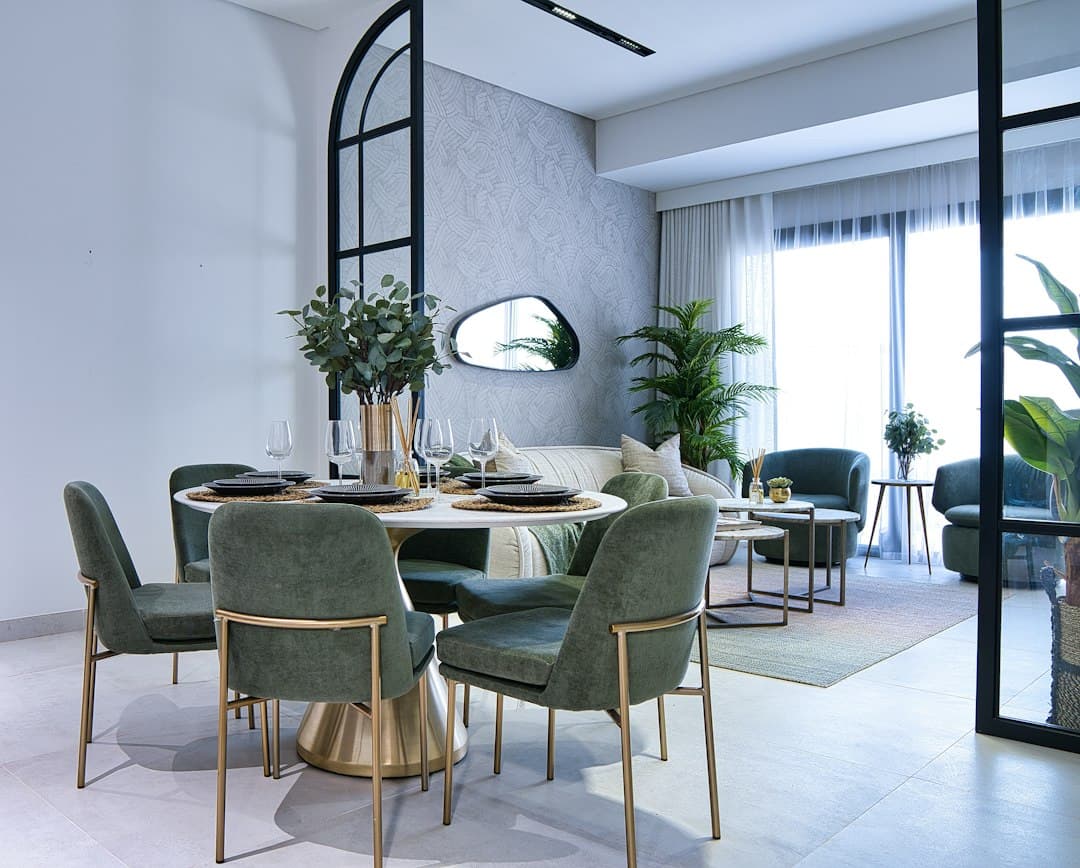
Dubai's 2026 interior design trends are moving decisively away from the ultra-maximalist aesthetics of the previous decade toward curated, intentional spaces that blend minimalism with warmth, sustainability with luxury, and technology with human comfort. The dominant trend is "warm minimalism"—clean lines and restrained colour palettes paired with natural textures, living elements, and layered lighting. Sustainable materials, smart home integration, earthy tones, and biophilic design (bringing nature indoors) are now defining how forward-thinking Dubai apartment owners are redesigning their spaces, reflecting both global shifts toward environmental consciousness and a more sophisticated understanding of what luxury living actually means.
Warm Minimalism Replaces Glitz
The glittering, crystal-chandelier maximalism that defined early 2010s Dubai luxury is fading. In 2026, minimalism with warmth—what designers call "slow luxury"—is dominating high-end Dubai apartment interiors. This means clean architectural lines, neutral base colours (warm whites, soft greys, warm beiges), and strategically placed statement pieces rather than cluttered surfaces.
The appeal is twofold: psychological (spaces feel calmer and more inhabitable) and practical (they photograph beautifully for rental or resale, and they're easier to maintain). Furnishings are fewer but higher-quality. Storage is hidden behind seamless built-ins. Art is sparse but meaningful. Textures—a linen sofa, timber cladding, brass-edged shelving—replace visual noise.
If you're acquiring a new apartment from our full property listings, this trend means investing in fewer, larger-scale pieces in neutral tones and allowing wall space to breathe. The 2026 aesthetic rewards restraint and intentionality over abundance.
Sustainable and Natural Materials Take Centre Stage
Conscious material selection has become non-negotiable in Dubai's premium residential market. Stone (limestone, travertine, marble), solid wood, natural rubber, organic textiles, and recycled metals are now preferred over high-gloss finishes, synthetic veneers, and excessive glass.
Natural materials age beautifully and tell a story—a linen curtain fades gradually, timber develops patina, travertine softens over time. This narrative of authenticity appeals to Dubai's increasingly sophisticated buyer base. Sustainable sourcing is also becoming a status marker; stating that your sofa is made from FSC-certified timber or organic cotton is now considered a luxury credential.
Practical impact: expect higher upfront costs for quality natural materials, but better durability and resale appeal. Budget-conscious buyers should prioritize natural materials in high-visibility zones (flooring, main walls, sofa) and use more affordable alternatives in secondary spaces.
Smart Home Integration (Invisible, Not Intrusive)
The 2026 smart home trend is about seamless integration, not visible tech. Rather than obvious touchscreens, voice-activated controls, or visible cable runs, sophisticated Dubai apartments are embedding technology invisibly: motorized blinds controlled by app, lighting systems that adjust colour temperature throughout the day, climate control that learns preferences, and hidden speakers in ceiling or wall cavities.
The aesthetic goal is technology that serves life, not dominates the room. Smart home hubs, routers, and wiring are concealed. The apartment feels technologically capable but visually serene.
For new buyers, this means requesting pre-installation of smart infrastructure (conduits, wiring) during the build phase—far cheaper than retrofitting later. Many Dubai developers now offer smart home packages at handover, though quality and cost vary significantly.
Biophilic Design and Living Elements
Bringing nature indoors has moved from "nice-to-have" accessory to core design principle. Living plant walls, large indoor trees, natural light maximization, water features, and stone accents are now standard in luxury Dubai apartments. This isn't about pot plants on shelves; it's about integrated botanical elements that occupy meaningful space.
The wellness benefits are proven: plants reduce cortisol, improve air quality, and create psychological refuge. In Dubai's desert landscape, indoor nature feels particularly restorative. Premium developments are now featuring living walls in common areas, and apartment-dwellers are investing in vertical gardens, moss walls, and hydroponic systems.
Practical note: biophilic design requires thoughtful lighting (plants need natural light access, and apartment layout matters significantly). If you're viewing apartments across different Dubai communities, assess natural light orientation carefully—north-facing units with limited direct sun will struggle to sustain healthy interior plantings.
Earthy and Warm Colour Palettes
After years of cool greys, whites, and blacks, 2026 is embracing warmth. Terracotta, ochre, warm greige, soft rust, clay tones, and warm wood finishes are now defining high-end interiors. These colours evoke earth, sand, and natural landscapes—and they feel less sterile than cool palettes.
The colour shift is partly psychological (warm tones feel more human and inviting) and partly cultural (global interior design is moving away from Scandinavian austerity toward warmer, more sensual aesthetics). In Dubai specifically, warm tones echo the region's landscape and feel locally resonant.
Accent walls, textile choices (curtains, rugs, cushions), and art are primary vehicles for introducing warm colour without committing the entire apartment to it. Many 2026 apartment owners are keeping walls neutral and introducing colour through moveable elements—easier to update or adjust if preferences shift.
Layered and Considered Lighting
Single overhead lights are obsolete. 2026 interiors feature multiple light sources at different heights and intensities: ambient (general room lighting), task (desk, reading, kitchen work), accent (highlighting art or architectural features), and decorative (statement pieces like designer pendant lights or floor lamps).
Quality of light matters as much as quantity. Warm colour temperature (2700K to 3000K) is now standard for living spaces, creating cosy atmospheres. Dimmable systems allow mood adjustment. Smart bulbs that shift colour temperature throughout the day (bright in morning, warmer in evening) support circadian rhythms—particularly important in Dubai's bright, intense climate.
This multi-layered approach costs more upfront but transforms how apartments feel at different times. It's one of the highest-impact design investments for rental appeal and personal quality of life.
Maximalist Textures (Within Minimalist Frameworks)
The paradox of 2026 design: fewer items, but richer texture. A room might have a neutral colour palette but feature a chunky linen sofa, a hand-woven wool rug, brushed brass hardware, natural stone shelving, and timber flooring. Texture creates visual interest and warmth without adding visual clutter.
Mix finishes deliberately: matte and glossy surfaces, rough and smooth textures, soft and hard materials. This "texture layering" technique creates sophistication without excess. It's the opposite of a showroom aesthetic—it looks lived-in but intentional.
Budget benefit: you can achieve high-end texture through affordable pieces from retailers like IKEA or PAN Home. A well-chosen linen throw (AED 150–300) adds texture more convincingly than a cheap chrome accent table. Focus budget on visible, touchable surfaces.
Key Material and Finish Trends for 2026
- Travertine and limestone – replacing marble as the preferred stone for flooring and feature walls (softer, warmer tone, more forgiving of imperfections)
- Solid wood and timber cladding – feature walls, shelving, and cabinetry in light to medium tones (oak, ash, walnut)
- Matte and satin finishes – replacing high-gloss on cabinetry, hardware, and fixtures (less reflective glare, more sophisticated)
- Natural linens and organic textiles – curtains, upholstery, and bedding in raw linen, organic cotton, and wool
- Brushed metals – brass, bronze, and copper in brushed finish (not shiny) for hardware, light fixtures, and accents
- Recycled and reclaimed materials – statement pieces incorporating vintage wood, reclaimed stone, or upcycled metals
Practical Implications for Dubai Apartment Buyers in 2026
If you're purchasing a new apartment, these trends have real cost implications. Warm minimalism requires discipline—fewer pieces means each must be well-chosen and higher quality. A minimalist living room costs more to furnish correctly than a maximalist one.
When evaluating the total cost of a property purchase (including DLD transfer fees and registration costs), budget for design/furnishing separately. Many buyers underestimate this. A correctly executed warm minimalist 2-bedroom apartment with quality natural materials and integrated smart home systems costs AED 50,000–120,000 to furnish and outfit—more than budget alternatives, but with better resale and rental appeal.
Lighting infrastructure requires electrical planning during construction. If you're buying off-plan, discuss smart wiring and multi-outlet positioning with developers before handover. Retrofitting is expensive. Building biophilic elements (living walls, water features) also requires pre-planning for irrigation, drainage, and waterproofing.
Natural material maintenance is important to understand upfront. Travertine requires sealing. Linen shows wrinkles (intentionally, in 2026 aesthetics—but it's not zero-maintenance). Timber needs appropriate humidity levels (Dubai's dry climate is actually ideal). Budget for professional care of high-value materials.
Where to Source 2026-Trend Materials in Dubai
Premium showrooms (Diwan, Poltrona Frau, Herman Miller, Muuto) stock design-forward pieces aligned with 2026 trends, but at luxury price points. Mid-market retailers like Marina Home, PAN Home, and IKEA offer trend-aware pieces at accessible prices—particularly for textiles, lighting, and smaller furnishings. Specialty shops in Jumeirah Village Circle (JVC) cater to budget-conscious design buyers. High-end vintage and upcycled material dealers (increasingly common in Dubai) align well with sustainable material trends.
Online platforms (Noon, Amazon.ae, Wayfair) offer global designer pieces with Dubai delivery, widening access to on-trend furnishings at varied price points. However, quality and durability vary significantly online—buy textiles and small items this way; inspect larger furniture pieces in-store or through showroom consultation.
The Bottom Line for 2026
Dubai's 2026 interior design trends reflect global shifts toward intentionality, sustainability, and human-centred design—alongside practical recognition that Dubai's climate and landscape demand specific material and design solutions. Warm minimalism, natural materials, seamless technology, and biophilic elements are no longer niche choices; they're now mainstream luxury expectations.
For buyers acquiring new apartments this year, these trends matter because they affect resale value, rental desirability, and long-term living satisfaction. Properties designed around 2026 principles will age better aesthetically and functionally than those relying on dated glitz or generic corporate finishes. Investing in quality natural materials, thoughtful lighting, and intentional spatial planning—even on a modest budget—aligns your apartment with where the market is heading.
Ready to find an apartment that meets 2026 design standards? Contact our advisory team to discuss properties with premium finishes, smart infrastructure, and layouts suited to modern living. We'll help you navigate both the design trends and the practical purchasing process—from initial selection through DLD registration and handover.