
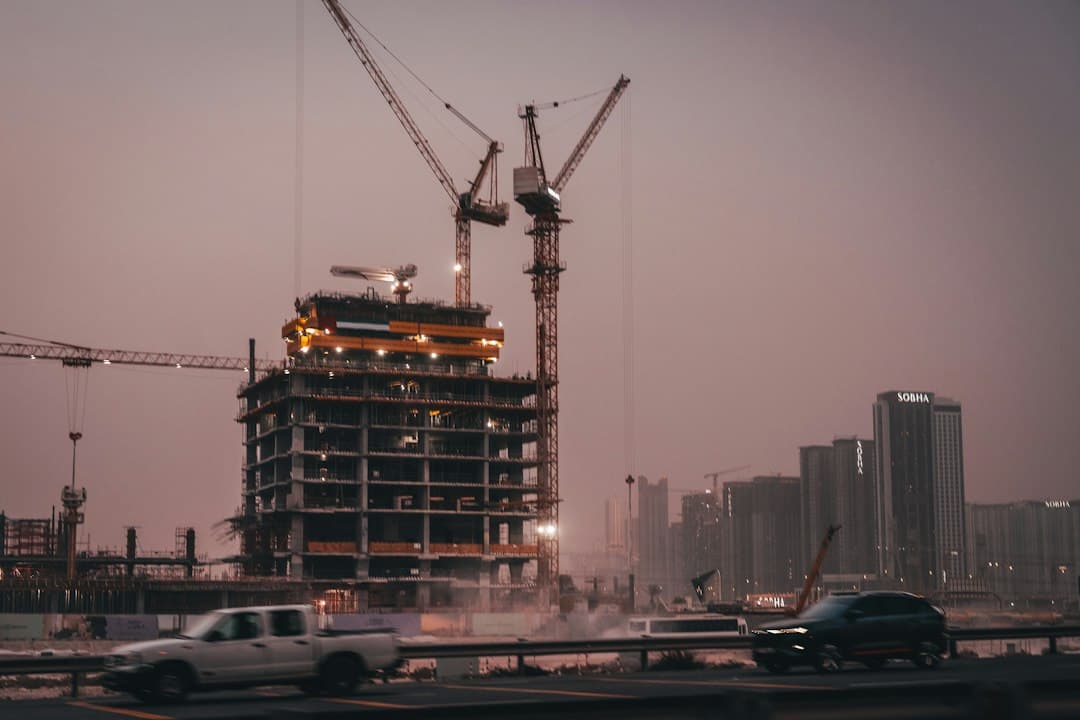
Overpriced off-plan projects in Dubai are typically identified by price-per-square-foot ratios significantly above comparable nearby developments, exaggerated appreciation projections not supported by historical market data, inflated amenity promises without completed infrastructure, and aggressive marketing that emphasizes prestige over tangible value. Red flags include flexible payment plans designed to mask true costs, limited comparable sales data, and developers with histories of project delays or lower-than-promised specifications. To avoid overpaying, compare unit pricing across 3–5 similar projects in the same or adjacent communities, verify developer track records through established Dubai developers, request transparent pro-forma financials, and demand written commitments on all promised amenities before committing capital.
Why Off-Plan Projects in Dubai Command Price Premiums
Off-plan properties in Dubai are marketed at a discount to ready properties, theoretically rewarding early buyers with price appreciation between purchase and handover. However, the premium built into many off-plan launches—often 15–25% above comparable ready stock—creates a window for opportunistic pricing that can exceed realistic market value.
Developers justify these premiums through several mechanisms: exclusive location claims, architectural prestige, amenity promises, and projected capital appreciation. The problem arises when these justifications don't align with actual market fundamentals, comparative pricing, or the developer's delivery track record.
The Core Red Flags: What Signals an Overpriced Off-Plan
Pricing Per Square Foot Significantly Above Comparables
The most objective red flag is price per square foot (AED/sqft) that exceeds similar projects in the same or immediately adjacent communities by more than 10–15%. For example, if comparable 2-bedroom apartments in an established community trade at AED 4,500/sqft, a new off-plan launch at AED 6,500/sqft requires exceptional justification—world-class architecture, flagship amenities, or a genuinely unique location.
Use Dubai's property fees calculator to isolate the base price from DLD transfer fees and registration costs. Then divide the base price by net usable area to benchmark against recent comparable sales in your target area. If you find no comparable sales at that price point, that's a warning.
Unrealistic Appreciation Projections
Marketing materials that promise 7–10% annual appreciation are red flags. Dubai's long-term residential appreciation has historically averaged 3–5% annually in established areas, with emerging communities sometimes delivering 6–8% during rapid infrastructure growth phases. Projections beyond these ranges often depend on assumptions that don't materialize—Expo effects, metro expansions, or master-plan completion timelines that slip.
Ask developers for historical appreciation data from their completed projects. If they can't provide this, their projections are speculation, not forecasting.
Flexible Payment Plans That Obscure Real Costs
Payment structures with deferred or minimal deposits, extended settlement periods, or developer financing options often signal pricing inflation. These plans are designed to make the purchase psychologically easier by spreading the pain across years, not to benefit the buyer. If a developer is confident in their pricing, they don't need creative financing mechanics to move units.
Calculate the true cost of deferred payment: if you're paying only 10% upfront and 90% post-handover, you're exposed to currency fluctuation, inflation, and completion risk. Compare total paid across all structures—straightforward pricing is often cheaper than it appears.
Vague or Overstated Amenity Commitments
Marketing materials that reference "world-class facilities," "luxury retail," or "premium dining" without naming tenants or providing completion dates are common overpricing tactics. Developers sometimes promise amenities that never materialize or are scaled down at handover.
Before committing, request written commitments from the developer confirming which tenants have signed leases, which retail units are pre-leased, and exact completion dates for gyms, pools, and community spaces. Vague promises have no legal force in Dubai's real estate framework.
Developer Track Record: The Hidden Indicator of True Value
A developer's history of delivery, cost control, and amenity completion directly predicts whether an off-plan project will deliver value. Major, established developers in Dubai with multi-decade track records and completed portfolios are generally more reliable than boutique firms launching their first or second project.
Research the developer's previous projects:
- Did they deliver on time, or were handovers delayed by 6–18 months?
- Are the finished spaces comparable to marketing renderings, or were specifications reduced?
- How have prices for their completed projects appreciated since launch?
- What do actual residents say about construction quality and post-handover service?
- Are they active in Dubai's property market with multiple concurrent projects, or is this a one-off venture?
Developers with poor track records often compensate by launching in emerging communities where fewer comparables exist, making overpricing harder to detect.
Location Timing: When Emerging Areas Justify Higher Off-Plan Premiums
Not all price premiums are unjustified. Off-plan projects in genuinely emerging communities with confirmed infrastructure—upcoming metro stations, planned commercial districts, or master-plan completion timelines—can legitimately command premiums of 15–25% over adjacent mature communities.
However, this only works if the infrastructure is confirmed and funded, not merely proposed. Dubai's announcements have sometimes promoted projects that were later cancelled or indefinitely delayed. Check government sources and DLD records, not developer marketing, for infrastructure timelines.
Communities like Dubai South and Meydan Horizon have seen justified premiums during high-growth phases because of tangible infrastructure investment. Communities with speculative master plans, without confirmed timelines or government funding, are higher risk.
The Comparison Method: How to Benchmark Pricing Objectively
Step 1: Identify 3–5 comparable projects within 2–5 km of your target off-plan development. They should match bedroom count, built-up area, and amenity tier as closely as possible.
Step 2: Collect recent transaction prices (last 6 months) from each comparable. Use real transaction data from DLD records or property portals, not asking prices or developer quotes.
Step 3: Calculate AED/sqft for each comparable. Ensure you're using net usable area (apartment interior), not gross building area, which developers sometimes use to artificially lower the stated price per sqft.
Step 4: Compare your target off-plan price per sqft against the median of comparable sales. If it's 10–15% higher, ask for specific justification. If it's 20%+ higher, it's likely overpriced unless the developer can prove truly differentiated architecture, amenities, or location.
Step 5: Visit the off-plan site if it's under construction. Look at neighboring completed buildings, traffic conditions, and actual community maturity, not marketing renderings of lush landscaping that doesn't yet exist.
Negotiation Tactics: How to Push Back on Overpriced Launches
Off-plan projects launched at inflated prices often have room to negotiate, especially if early sales are slow. Developers would rather close deals at a modest discount than sit on inventory.
Tactics that work:
- Price reductions: Ask for AED 50,000–150,000 discounts (2–5% on typical 2–3 bedroom prices) if you're paying a substantial deposit upfront or purchasing multiple units.
- Incentives: Request paid parking, kitchen appliances, or service charge waivers for the first year rather than direct price cuts. These cost developers less than price reductions.
- Walkaway position: If the developer won't budge, walk. There are always new launches and comparable ready properties at fair prices.
- Escalation timing: Launch prices are often most flexible in the first 30–60 days. After that, developers lock pricing and reduce discounting.
What Questions to Ask Before Committing to an Off-Plan Purchase
Request answers to these questions in writing before signing any agreement:
- What is the exact net usable area (NUA) of the unit, and has it been independently verified?
- Which amenities are included in the purchase price, and which are charged separately after handover (parking, storage, etc.)?
- What is the expected annual service charge per square foot, based on comparable completed projects by the same developer?
- What are the exact handover date, payment milestones, and penalties if the developer delays?
- Are there any restrictive covenants, foreign ownership limitations, or community-specific regulations that might affect resale value?
- What is the developer's payment default or project abandonment insurance policy?
Developers confident in their pricing answer these clearly. Vague or defensive responses are red flags.
RERA Protection: A Safety Net, Not a Guarantee
RERA protection in Dubai mandates escrow accounts, developer oversight, and legal recourse for buyers—but these protections don't prevent overpricing. RERA ensures the money you deposit is held safely and the developer completes the project, not that you paid a fair price for it.
Overpriced projects that deliver on schedule still result in capital losses for buyers who overpaid. RERA protection is a floor, not a solution to valuation risk.
When Overpriced Off-Plan Projects Do Make Sense
In rare cases, premium off-plan pricing is justified: when you're buying in an established developer's flagship location (Emaar in Downtown Dubai, Nakheel at Palm Jumeirah), when you're locking in early in a confirmed high-growth infrastructure cycle, or when architectural or amenity differentiation is genuinely unique and delivered by developers with proven track records.
The key is ensuring your premium is purchased from demonstrated value, not speculative marketing. If you can articulate in writing why the price is higher—and the developer can back it with historical data—you're informed. If you're relying on marketing hype and promises, you're likely overpaying.
Final Thought: The Burden of Proof Is on the Developer
If a developer can't justify their off-plan pricing with comparable sales data, historical appreciation from completed projects, or tangible infrastructure advantages, walk away. Dubai has enough supply—from established ready properties to competing off-plan launches—that you never have to accept overpriced terms.
The cheapest purchase is the one where you paid fair value. Aggressive negotiation and rigorous pricing benchmarking protect your capital and ensure your off-plan investment delivers returns, not regret.
Ready to evaluate an off-plan project fairly? Contact Immoworld DXB's advisory team for a transparent pricing analysis of any development you're considering. We benchmark against market comps and identify genuine value versus marketing inflation.