
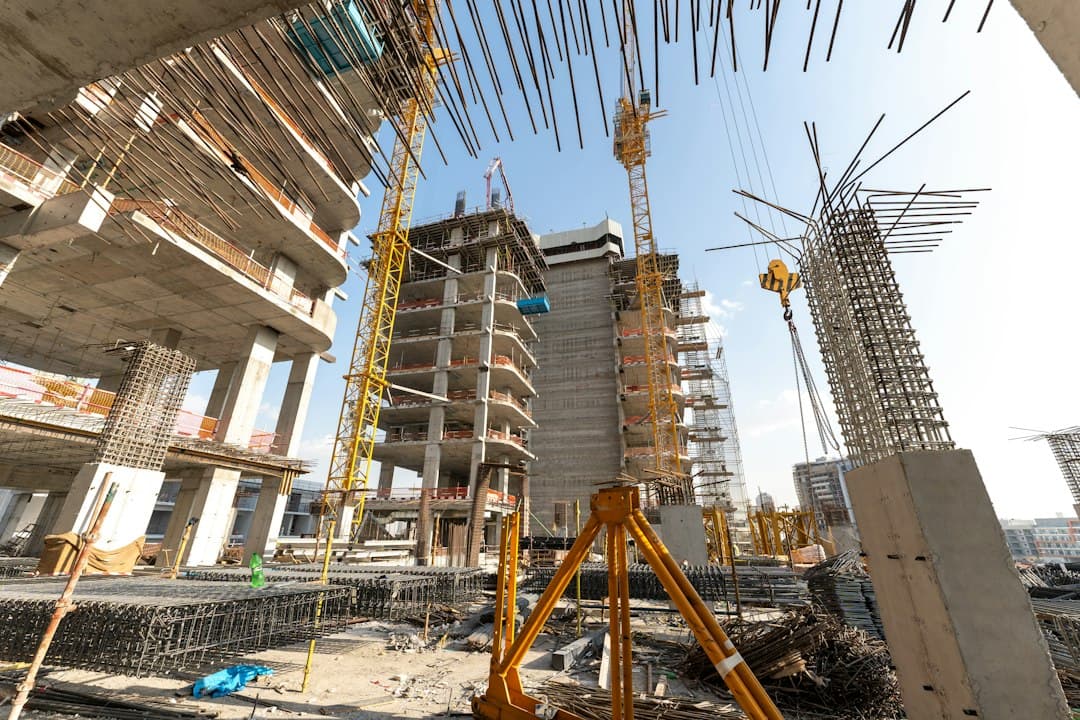
Common snagging issues in Dubai new builds include plumbing leaks, electrical faults, cracked tiles, incomplete finishing, paint defects, and faulty HVAC systems. Most developers follow a formal pre-handover inspection and remediation process where defects are identified, logged, and repaired within a set timeline—typically 14–30 days—before you receive your keys. Understanding these issues and how developers address them helps protect your investment and ensures a smooth handover experience.
What Is Snagging and Why It Matters in Dubai New Builds
Snagging is a detailed pre-handover inspection that identifies construction defects, finishing issues, and safety concerns before you formally take possession of a new Dubai property. In Dubai's regulated off-plan market, snagging has become a standard part of the handover process, embedded within the DLD's requirements for property transfer.
When you buy off-plan in Dubai, you're buying from construction blueprints. The developer must eventually deliver the completed property to you, and Dubai Land Department (DLD) regulations require that defects be documented and remedied before the final transfer registration occurs. This is where snagging comes in—it's your formal opportunity to flag every issue, no matter how small.
Developers take snagging seriously because unresolved defects can delay DLD registration and create legal liability. A professional snagging inspection typically costs between AED 2,000 and AED 8,000 depending on property size, and many buyers hire independent snagging inspectors to avoid missing issues that developers might overlook.
The 8 Most Common Snagging Issues in Dubai New Builds
1. Plumbing Leaks and Water Pressure Problems
Water-related defects are among the most frequently reported snagging issues in Dubai apartments and villas. Common problems include leaking kitchen or bathroom taps, low water pressure in certain outlets, and pinhole leaks in copper pipes hidden behind walls or under concrete floors.
These defects are dangerous because they can cause hidden water damage, structural weakening, and mold growth if not caught before handover. Developers typically fix these by replacing faulty fixtures, pressure-testing all supply lines, and re-routing pipes where necessary—a process that usually takes 7–10 days.
2. Electrical Faults and Incomplete Wiring
Electrical snagging issues range from non-functional outlets and switches to missing circuit breakers, incorrect voltage, and incomplete wiring in secondary areas like balconies, kitchens, and storage rooms. Some apartments are handed over with temporary wiring that hasn't been finalized to building code.
Developers resolve electrical defects by having a licensed electrician re-test all circuits, install missing outlets, replace faulty switches, and ensure compliance with UAE electrical standards. This remediation typically takes 10–14 days and is critical for your safety.
3. Cracked and Uneven Tiles
Tile cracks, chipping, and uneven surfaces are purely cosmetic but extremely common in new builds. Bathrooms, kitchens, and living areas frequently show hairline cracks in ceramic or porcelain tiles caused by settling, temperature fluctuations during construction, or installation errors.
Developers fix these by removing and replacing damaged tiles, re-grouting, and leveling surfaces. While not structurally dangerous, cracked tiles can trap moisture and spread damage if left unrepaired, so most developers address them quickly—usually within 5–7 days.
4. Paint Defects and Unfinished Walls
Paint issues include uneven color, missed spots, drips, poor coverage over primer, and paint smudges on fixtures like light switches and door frames. Some walls may be left unpainted entirely in secondary spaces like store rooms or balconies.
Remediation involves repainting entire rooms or sections to match approved color specifications, which typically takes 3–5 days but may require longer drying time in humid Gulf conditions. This is straightforward but common enough to appear on nearly every snagging list.
5. Door and Window Defects
Doors and windows frequently suffer from misalignment, difficulty opening or closing smoothly, missing or broken locks, and gaps that allow drafts or water infiltration. Balcony sliding doors are particularly prone to track misalignment due to heat expansion and concrete settling.
Developers address these by adjusting hinges and tracks, replacing seals and gaskets, installing missing locks, and reglazing where glass is cracked. This work typically takes 7–10 days and is essential for security and weather protection.
6. HVAC System Failures
Air-conditioning and heating defects include units that don't cool or heat properly, thermostat malfunctions, strange noises, and leaking condensation pipes. In Dubai's extreme heat, a non-functional AC unit is a serious issue and a common cause of handover delays.
Developers fix HVAC problems by cleaning coils, recharging refrigerant, replacing faulty compressors or thermostats, and clearing blocked drainage lines. These repairs typically take 5–10 days but may require specialist HVAC contractors, which can extend the timeline.
7. Flooring Issues
Laminate, vinyl, and wooden flooring sometimes arrives at handover with scratches, gaps, uneven surfaces, or improper installation. In kitchens and bathrooms, flooring may be sloped incorrectly, preventing proper water drainage.
Developers remedy these by sanding and refinishing, replacing damaged planks, re-leveling surfaces, and adjusting slope gradients. Flooring repairs can take 10–14 days due to curing time and the need for finishing treatments.
8. Missing or Incomplete Fixtures
Some apartments are handed over missing kitchen cabinets, bathroom fixtures, built-in storage, or mirrors. Occasionally, appliances like ovens or dishwashers are absent or non-functional. These omissions are typically documented in the contract but are still flagged during snagging.
Developers complete these installations within the snagging remediation period—usually 14–21 days—though missing high-value appliances may require longer lead times for delivery and installation.
How Developers Typically Respond to Snagging Reports
Dubai's regulated market has created a fairly standardized process for addressing snagging defects. Understanding this workflow helps you know what to expect and ensures you're treated fairly.
The Formal Snagging Inspection and Log
Most developers require a formal joint inspection between you (or your representative), the developer's project manager, and sometimes a DLD-authorized third-party inspector. All defects identified are logged into a snagging report—a legal document that lists every issue, its location, severity, and assigned remediation deadline.
This log becomes binding: the developer commits to fixing all listed items within a specified timeframe, typically 14–30 days depending on severity. Critical defects (like electrical or plumbing failures) must be fixed before DLD handover; minor cosmetic issues may be addressed afterward if agreed.
Assignment of Remediation Responsibility
Each defect is assigned to the responsible contractor—whether the main builder, a sub-contractor, or a specialist (electrician, plumber, HVAC technician). Large developers like Emaar Properties and Nakheel maintain in-house remediation teams; smaller developers coordinate with their subcontractors. The project manager oversees the schedule to ensure no delays.
Timeline and Follow-up Inspections
After defects are logged, you receive a remediation schedule. Most developers complete work within 14–21 days for moderate issues; critical defects may have shorter timelines (5–7 days). You're typically allowed follow-up inspections to verify repairs before formal DLD handover.
Some developers offer a "punch-list" process—a second inspection after initial repairs to catch any remaining issues. This often happens at the 20-day mark, and a final inspection occurs just before DLD handover.
What Happens If Developers Don't Fix Snagging Issues
While most major Dubai developers respect snagging obligations, delays and disputes do occur. Here's what your recourse looks like:
- Escrow Withholding: You can refuse DLD handover and instruct your lawyer to withhold funds held in escrow until defects are resolved. This is your strongest leverage.
- DLD Complaint: Dubai Land Department can mediate disputes if a developer refuses to remedy logged defects. This formal process can take 30–60 days.
- Legal Action: As a last resort, you can pursue civil litigation through Dubai courts, though this is expensive and time-consuming.
- Negotiated Remediation Fund: Some developers offer a cash settlement (deducted from the purchase price) to allow you to hire contractors directly if they can't complete repairs before your desired handover date.
The DLD has strengthened buyer protections in recent years, making it increasingly difficult for developers to ignore snagging obligations. Most major developers understand that reputation damage and legal costs far exceed the cost of proper repairs.
How to Protect Yourself: Hiring a Professional Snagging Inspector
While developers are obligated to fix defects, hiring an independent snagging inspector significantly reduces the risk that issues slip through. A qualified inspector will conduct a thorough pre-handover walkthrough using standardized checklists, thermal imaging for moisture detection, and pressure testing for plumbing.
The cost—typically AED 2,000 to AED 8,000—is a small fraction of your property investment and can save thousands in post-handover repairs. Learn more about hiring a snagging inspector in Dubai and what it costs.
When you commission a professional inspection, the report carries weight in negotiations with the developer. A third-party document is harder for the developer to dispute than your own observations, and it accelerates the remediation process.
Variations by Developer: Who's Most Reliable?
Not all developers approach snagging with equal rigor. The largest, most established developers—Emaar, Nakheel, Meraas, and Dubai Properties—have systematic defect management processes because they build repeat reputation. Smaller or newer developers may have less formal procedures, creating longer remediation timelines.
When evaluating developers or considering which new-build community to invest in, ask the sales team explicitly about their snagging process, average remediation timelines, and whether they use third-party inspectors. Transparency here is a good sign.
Many community-specific area guides include information about developer track records. For example, developments in Jumeirah Village Circle and Dubai South involve multiple builders with different standards, so understanding each developer's reputation matters.
The Snagging and DLD Handover Timeline
Snagging and DLD handover are separate but sequential processes. Snagging typically occurs 30–45 days before DLD handover; once remediation is complete and verified, the property is cleared for DLD registration. Learn the difference between snagging and DLD handover to understand how these milestones align with your purchase timeline.
The full handover process—from snagging inspection to keys in hand—usually takes 45–90 days depending on defect severity, remediation timelines, and DLD processing speed. Plan your move-in date conservatively to avoid disappointment.
Conclusion: Snagging Protects Your Investment
Common snagging issues in Dubai new builds are inevitable—new construction always reveals defects that weren't visible in design or during assembly. The good news is that Dubai's regulated market and established developer practices mean these issues are almost always resolved before you take possession.
Plumbing leaks, electrical faults, cracked tiles, paint defects, door misalignment, HVAC failures, flooring issues, and missing fixtures represent the vast majority of snagging problems, and most developers fix them within 14–30 days. The key is to participate actively in the snagging inspection, hire a professional inspector if possible, and document everything in writing.
If you're buying off-plan in Dubai, don't skip snagging—it's not a formality, it's your contractual right and your best protection against costly post-handover repairs. If you'd like guidance on the complete handover process from handover inspection through DLD registration and beyond, read our timeline of what happens at handover or contact our advisory team for personalized support.