
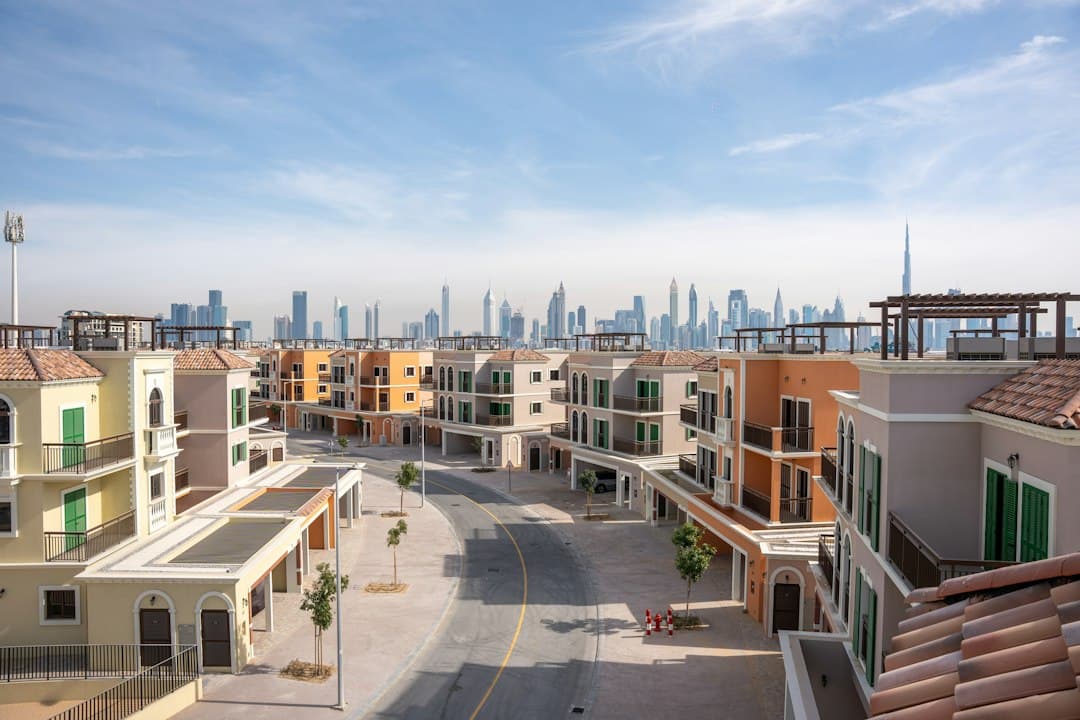
Before accepting handover of your Dubai apartment, you must conduct a rigorous inspection for construction and finishing defects. Property snagging—a detailed pre-handover inspection—identifies issues such as structural cracks, plumbing leaks, electrical faults, painting defects, damaged fixtures, and safety concerns before you formally take possession. This process is separate from DLD (Dubai Land Department) handover registration and is your legal right as a buyer. A comprehensive property snagging checklist protects your investment, ensures the developer corrects defects, and prevents expensive repairs falling to you after possession.
What Is Property Snagging and Why It Matters in Dubai
Property snagging is a thorough, room-by-room pre-handover inspection that documents construction defects, finishing faults, and safety issues before you accept the keys. It is not the same as DLD handover; snagging happens em>before/em> the formal legal handover, giving you leverage to require the developer to fix problems at no cost to you. After you formally accept handover, you lose this negotiating position—the property becomes your responsibility.
In Dubai, most off-plan apartments are handed over with minor defects. Some are cosmetic; others are safety hazards. A trained snagging inspector or a knowledgeable buyer can catch issues that save thousands of AED in future remedial work. Property snagging is a detailed pre-handover inspection that identifies construction defects, finishing issues, and safety concerns before you formally take possession of a new Dubai property.
The 15 Critical Defects to Inspect Before Accepting Handover
1. Structural Cracks in Walls and Ceilings
Inspect all interior walls, ceilings, and corners for cracks. Hairline cracks (less than 2mm) in non-load-bearing walls are often cosmetic, but wider cracks, cracks in corners, or cracks in multiple locations may indicate structural settlement or poor construction. Check both external and internal walls carefully.
2. Water Leaks and Staining
Look for water stains on ceilings, walls, and corners—especially near bathroom pipes, kitchen areas, and balcony joints. Discoloration, dampness, or soft plaster indicates hidden leaks that may worsen over time. Check balconies for water pooling or improper drainage.
3. Plumbing and Drainage Issues
Turn on all taps, showers, and toilets. Test water pressure in each area. Listen for gurgling or slow drainage. Check under sinks for leaks or water damage. Ensure toilets flush properly and hold water without running continuously. Test all drainage systems.
4. Electrical Faults and Outlet Problems
Test every light switch and electrical outlet in the apartment. Check that lights turn on and off smoothly. Verify that outlets are not loose, cracked, or failing to supply power. Test air conditioning units, exhaust fans, and any built-in appliances. Faulty wiring can pose fire hazards.
5. Paint and Finishing Defects
Inspect paintwork for uneven coverage, drips, smudges, or poor application. Check for paint on door handles, light switches, or other fixtures. Examine painted surfaces under different angles to spot poor quality. Cheap or inadequate paint may peel or fade quickly.
6. Damaged or Misaligned Doors and Windows
Open and close every door and window. They should move smoothly without sticking, jamming, or excessive noise. Check that frames are straight and properly aligned. Inspect seals for gaps. Damaged or misaligned units allow air and water infiltration and increase cooling costs.
7. Faulty Door Handles, Locks, and Hardware
Test every door lock, handle, and hinge. Locks should open and close smoothly. Handles should not be loose or damaged. Check that all keys work correctly. Faulty hardware is often overlooked but directly affects security and daily use.
8. Cracked or Broken Tiles and Flooring
Walk through every room and carefully inspect all flooring. Look for cracked tiles, gaps between tiles, uneven surfaces, or tiles that sound hollow when tapped. Check grout for cracks or gaps. Inspect carpeted areas for stains, burns, or wear. Poor flooring reflects poor workmanship throughout the property.
9. Damaged Kitchen Fixtures and Appliances
If appliances are included, test them fully. Check cabinets for alignment, gaps, and damaged hinges or handles. Inspect worktops for scratches, stains, or chips. Verify that any built-in dishwashers, ovens, or hobs work correctly. Test water and gas connections.
10. Bathroom Fixtures and Ventilation Issues
Check all bathroom fittings—taps, shower heads, towel rails, and mirrors. Verify that they are securely fixed and function correctly. Test extractor fans to ensure adequate ventilation. Inspect bathroom walls for water damage, mold, or poor tiling. Poor bathroom ventilation leads to mold and moisture problems.
11. Air Conditioning and HVAC Defects
Test every air conditioning unit and thermostat. Units should cool the room evenly and quietly. Listen for unusual noises. Check that filters are clean and replaceable. Inspect pipes and vents for leaks, frost, or poor installation. In Dubai's heat, a faulty AC unit is a serious defect.
12. Broken or Missing Glazing and Mirrors
Inspect all mirrors, glass panels, and glazed surfaces for cracks, chips, or missing sections. Check that mirrors are properly secured. Broken glass affects aesthetics and safety, and replacement can be costly if the defect is not documented during snagging.
13. Balcony and Terrace Defects
Check the entire balcony for structural soundness. Inspect railings—they must be secure and meet Dubai Building Code height requirements (typically 1.1m minimum). Look for water pooling, cracks in the floor, or damaged waterproofing. Test balcony doors and seals. Balcony defects are high-priority safety concerns.
14. DEWA Meter Installation and Electrical Safety
Verify that the DEWA (Dubai Electricity and Water Authority) meter is properly installed and labeled. Check that the electrical distribution board is accessible and correctly wired. Ensure that the property has adequate earthing and surge protection. Electrical safety is non-negotiable.
15. Fire Safety Equipment and Building Code Compliance
Check that fire extinguishers are present and accessible. Verify that smoke detectors are installed in all required locations (typically bedrooms and living areas). Inspect emergency exit signage and pathways. Ensure that building access points are secure. Safety compliance is a legal requirement in Dubai.
A Structured Inspection Checklist
Rather than inspecting randomly, move methodically through your apartment in a logical order. Use a digital checklist or hire a professional snagging inspector who will photograph and document every issue. Here's a proven sequence:
- Exterior areas first: Balcony, terrace, windows, external walls, and railings.
- Then common areas: Entry foyer, hallways, and living spaces.
- Kitchen: All fixtures, appliances, plumbing, and electrical.
- Bathrooms: Tiles, fixtures, drainage, ventilation, and water supply.
- Bedrooms: Walls, ceilings, flooring, fixtures, and air conditioning.
- Utilities: DEWA meter, electrical board, water supply shutoff, and gas (if applicable).
- Safety: Fire extinguishers, smoke detectors, emergency signs, and building locks.
Professional Snagging Inspection vs. Self-Inspection
While a detailed self-inspection is better than none, many buyers hire professional snagging inspectors who bring specialized equipment and experience. Professional inspectors use moisture meters, thermal cameras, and pressure gauges to detect hidden defects that the untrained eye misses. They produce a detailed report with photographs, which strengthens your negotiating position with the developer. The cost is typically AED 500–2,000 depending on property size, but often saves multiples of that in repairs avoided.
Property snagging is a detailed pre-handover inspection that identifies construction defects, finishing issues, and safety concerns before you formally take possession of a Dubai property. If you lack confidence in your own inspection skills, hiring a professional is a prudent investment.
What to Do When You Find Defects
Do not sign the handover acceptance form if defects are present. Instead, create a written list with photographs and submit it to the developer's project management team and your real estate agent. The developer is contractually obligated to remedy all defects before handover. Give them a reasonable timeframe—typically 10–14 days—to address issues. Only after all defects are corrected should you accept handover and sign the DLD transfer document.
If the developer disputes any defect, refer to the Dubai Building Code, the contract, and industry standards. Your agent can mediate, and in disputed cases, you may request that a third-party engineer provide an independent assessment.
How Snagging Differs from DLD Handover
Snagging and DLD handover are separate processes in Dubai property buying. Snagging is the pre-handover inspection and defect-correction phase. DLD handover is the formal legal registration of the property transfer with the Dubai Land Department. You must complete snagging em>before/em> DLD handover. Once you sign the DLD transfer document, the property legally becomes yours, and subsequent repairs become your financial responsibility.
Post-Handover Obligations
After you formally accept handover and complete DLD registration, you have approximately 30 days to complete additional administrative and practical tasks. After taking handover of your Dubai property, you have a critical 30-day window to complete essential administrative, legal, and practical tasks. These include registering utilities, updating your address, and arranging insurance. However, defect liability typically extends 12 months post-handover for structural and safety issues—so if cracks or leaks appear within that period, you may still have recourse through your developer warranty.
Getting Expert Support for Your Snagging Inspection
If you are unsure about your property's condition or lack confidence in your inspection skills, professional guidance is available. Contact Immoworld DXB's advisory team to discuss your handover timing and snagging strategy. Our advisors can recommend trusted inspectors or guide you through a self-inspection. We also work with major developers across Dubai—from Emaar Properties to Nakheel and Meraas—and understand developer-specific handover standards and common defect patterns by project.
Conclusion: Protect Your Investment Before Handover
A thorough pre-handover inspection using this 15-point defect checklist is one of the most important steps in your Dubai property purchase. Structural cracks, plumbing leaks, electrical faults, and finishing defects are common in new apartments, and catching them em>before/em> you accept handover is your only leverage to have the developer correct them at no cost to you. Take your time, be methodical, document every issue with photographs, and do not sign the handover acceptance form until all defects are resolved. If you lack confidence, hire a professional inspector—the investment is small compared to the repairs you may avoid. Your Dubai apartment is a significant financial commitment; inspect it as though your money depends on it, because it does.