
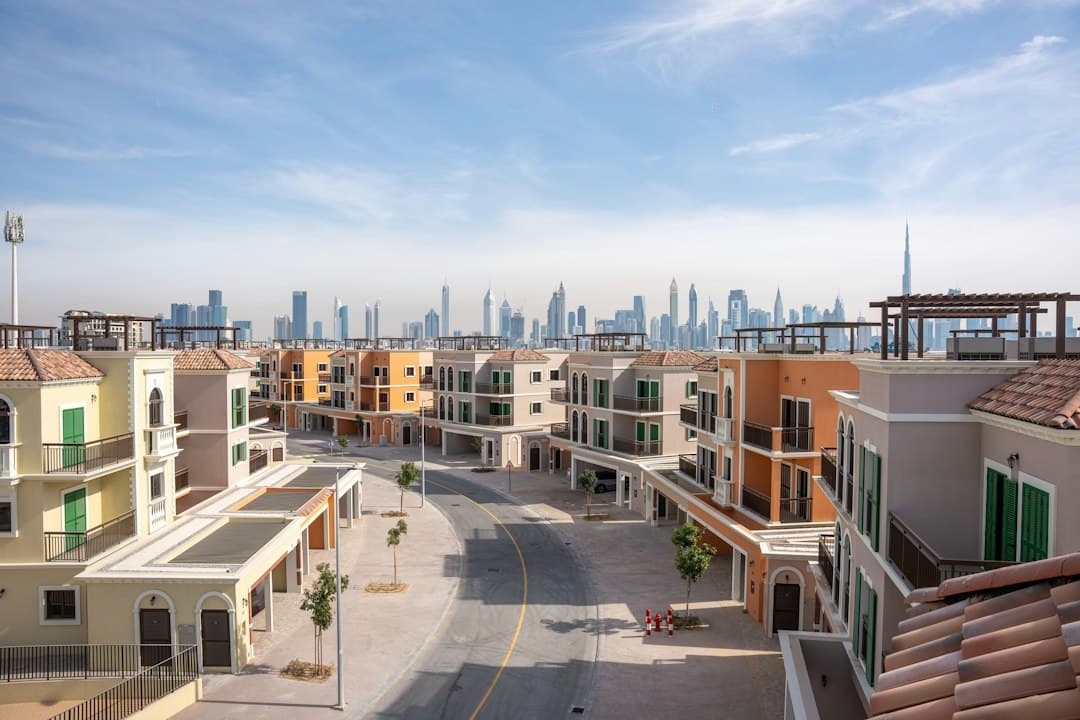
The cheapest apartments to buy in Dubai are found in emerging and mid-range communities like Dubai South, Dubai Islands, Meydan Horizon, Jumeirah Village Circle, and Dubai Land Residence Complex, where studios and one-bedroom units start between AED 180,000 and AED 450,000. While waterfront and ultra-central locations command premium prices, these growing neighborhoods offer genuine affordability without sacrificing modern finishes or community amenities—though buyers should carefully weigh location accessibility, infrastructure timeline, and rental demand against lower entry pricing.
Where Affordable Apartments Actually Exist in Dubai
Dubai's most affordable apartment market is concentrated in three distinct zones: emerging southern communities, master-planned new neighborhoods, and established mid-range areas being redeveloped. Each category offers different cost structures, accessibility profiles, and investment timelines.
Emerging southern developments like Dubai South and Dubai Land Residence Complex represent the cheapest entry point, with studios starting as low as AED 180,000–250,000 and one-bedroom apartments from AED 280,000–400,000. These communities are still under active development, meaning infrastructure expansion, retail, and amenity activation are ongoing—which directly impacts short-term rental demand and long-term capital appreciation.
Master-planned communities like Meydan Horizon and Dubai Islands occupy the mid-affordable range, with one-bedroom apartments typically priced between AED 350,000 and AED 600,000. These areas offer more established infrastructure and faster rental turnover than southern zones, though they sit far enough from central Dubai to keep prices moderate compared to waterfront locations.
Established mid-range neighborhoods like Jumeirah Village Circle (JVC) deliver affordability with mature community amenities—schools, dining, retail—making them attractive to first-time buyers and families, despite higher pricing (typically AED 400,000–700,000 for one-bedroom apartments).
Real Apartment Prices by Community: Studio and 1-Bedroom Breakdown
Understanding actual asking prices—not averages, which can mask extremes—is essential for setting realistic budgets. Here's what genuine inventory shows across Dubai's most affordable areas:
- Dubai South: Studios AED 180,000–280,000; 1-bed AED 280,000–420,000. Best for investors targeting future appreciation; tenant demand still developing.
- Dubai Land Residence Complex: Studios AED 200,000–300,000; 1-bed AED 320,000–450,000. Moderate accessibility to central Dubai; mid-range rental yield.
- Meydan Horizon (MBR City): Studios AED 220,000–320,000; 1-bed AED 380,000–550,000. Newer infrastructure; growing rental demand.
- Dubai Islands: Studios AED 240,000–350,000; 1-bed AED 420,000–600,000. Waterfront positioning; premium pricing within affordable category.
- Jumeirah Village Circle: Studios AED 280,000–400,000; 1-bed AED 450,000–700,000. Mature community; fastest rental turnover among affordable areas.
- ARDH Community (Al Rowaiyah First): Studios AED 200,000–280,000; 1-bed AED 300,000–420,000. Emerging, lowest prices; limited current demand.
- Nad Al Shiba First: Studios AED 210,000–310,000; 1-bed AED 330,000–480,000. South-central location; improving infrastructure accessibility.
Prices within each community vary dramatically based on floor level, unit orientation, balcony size, and proximity to amenities. A studio on a low-to-mid floor overlooking a courtyard may be AED 40,000–60,000 cheaper than an identical unit on a higher floor with a view.
What Makes These Areas Affordable (And What You Trade Off)
Cheap apartment pricing in Dubai always reflects specific tradeoffs—understanding these helps you avoid regrettable purchases disguised as bargains.
Distance from central Dubai: The single biggest price driver. Southern communities and emerging zones like Dubai South and Meydan Horizon are 25–45 minutes by car from Downtown Dubai and Dubai Marina during off-peak traffic. If you work in central locations or prioritize walkable urban living, this distance directly impacts lifestyle quality and commute time.
Infrastructure timeline: Emerging communities are still building amenities. Dubai South, for example, is phasing in retail, schools, and community centers through 2025–2026. This means fewer dining options, no mature tenant base, and pricing volatility until infrastructure completes. Investors banking on future appreciation must accept 18–36 months of slower-than-average rental demand.
Rental yield variability: Cheaper areas often attract cost-conscious tenants seeking short-term contracts and affordability themselves. While this widens potential tenant pool, it can mean higher tenant turnover, more maintenance calls, and slightly lower rental income compared to premium communities. Mid-affordable areas like JVC balance this better with established tenant demand.
Community maturity: Established mid-range areas like JVC have mature schools, gyms, supermarkets, and dining within walking distance. Emerging southern zones may have minimal walkable retail for months or years. This is lifestyle-critical if you're owner-occupying; investors focused purely on yield may accept this tradeoff.
Who Should Buy in Affordable Dubai Areas (And Who Shouldn't)
Cheaper apartment pricing suits specific buyer profiles but can be problematic for others. Evaluate your own situation honestly:
Ideal candidates: First-time investors seeking rental yield; international buyers testing Dubai property before larger commitments; families buying their first home seeking affordability without ultra-premium location; expatriates planning 5+ year residency who can wait for community maturation and capital appreciation.
Poor fit: Owner-occupiers requiring immediate walkable neighborhood amenities; professionals commuting daily to central Dubai locations; buyers seeking rapid capital appreciation within 2–3 years; anyone uncomfortable with construction noise and phased infrastructure delivery.
Off-Plan vs. Ready Property: Price Impact in Affordable Communities
Cheaper areas are dominated by off-plan inventory—developers selling units before completion. This significantly impacts total cost and timeline:
Off-plan advantages: 20–30% cheaper than completed properties in the same community; flexible payment plans (50% during construction, 50% at handover); customization options on finishes; potential capital appreciation if developer delivers ahead of market conditions.
Off-plan risks: Payment held for 2–4 years; delivery delays are common (typically 6–18 months beyond promised); quality risk if developer underperforms; construction noise and incomplete amenities during residency; snagging issues at handover; the formal handover process adds complexity beyond purchase itself.
Ready property (immediately available apartments) in affordable areas commands a 15–25% premium over comparable off-plan units but eliminates timeline and delivery risk. The tradeoff is individual—investors with capital patience and long timelines often prefer off-plan; owner-occupiers prioritizing immediate move-in choose ready property despite higher cost.
True Total Cost: Fees, Registration, and Hidden Expenses
Apartment purchase price alone is misleading. DLD transfer fees, registration, utility deposits, and administrative costs add 5–8% to your total outlay—a significant sum on budget purchases.
Use the Dubai property fees calculator to estimate exact DLD transfer fees (typically 4% of purchase price), agency commission (typically 2%), and registration costs. For a AED 350,000 apartment, you'll pay approximately AED 14,000–21,000 in these fees at closing—a real cost that tightens affordable purchase budgets.
Additional post-purchase expenses include DEWA (utilities) deposits (typically AED 2,000–4,000), Ejari tenancy registration if renting (AED 280–500), chiller installation for rented units (AED 2,500–5,000), and modest furniture/finishing to lease-ready standard. Many first-time buyers underestimate these expenses, leaving insufficient budget for proper unit presentation.
Investment Potential: Appreciation vs. Rental Yield in Affordable Zones
Affordable areas serve two investment strategies—each with different timelines and return profiles:
Long-term appreciation play (5+ years): Emerging communities like Dubai South and emerging zones show 3–6% annual appreciation as infrastructure completes and tenant demand matures. This is slower than central Dubai appreciation but achieves steady capital growth over time. Investors must accept 18–36 months of below-average rental demand during build-out phase.
Immediate rental yield focus: Established affordable communities like JVC typically deliver 4–6% annual gross yield (rental income as percentage of purchase price). A AED 500,000 apartment renting for AED 22,000–25,000 monthly generates AED 264,000–300,000 annual income—5.3–6% gross yield. After expenses (maintenance, vacancies, service charges), net yield is typically 3–4.5%, which is competitive with central Dubai without requiring premium capital.
Newer affordable zones sacrifice rental yield for appreciation potential; mature affordable areas emphasize yield over rapid appreciation. Choose your investment strategy first, then select location accordingly.
Best Developers in Affordable Price Ranges
Major Dubai developers working across affordable communities include Imtiaz (active in Meydan Horizon and Dubai South), Nakheel (Dubai Islands), and Emaar Properties (scattered affordable units in mid-range zones). Developer reputation matters significantly—established firms like Emaar and Nakheel have proven delivery records and quality standards, while smaller or emerging developers may offer lower pricing but carry higher execution risk.
Verify any developer's track record by checking their background and project history before committing. Slower-than-promised delivery or quality issues are more common among smaller developers pushing aggressive pricing.
How Long to Actually Buy Once You Find an Apartment
The typical Dubai property purchase takes 30–90 days from offer to DLD registration, depending on whether you're buying ready or off-plan property and whether you require mortgage financing. Off-plan purchases can be faster (30–45 days) because deposit structures are pre-set; ready property purchases depend on seller timeline and buyer financing. Cheap apartments are competitive—if you find genuine value, respond quickly.
Next Steps: Finding and Evaluating Affordable Apartments
Begin by browsing current available properties filtered by price range and community. Narrow your search to 2–3 communities matching your investment strategy (appreciation vs. yield, off-plan vs. ready, south vs. mid-range). Then request area guides and developer background—contact Immoworld DXB's advisory team for guidance on specific communities, developer comparisons, and realistic pricing within your budget. A professional advisor will identify which communities fit your timeline and goals, preventing costly mistakes disguised as bargains.
Conclusion: Affordable Doesn't Mean Cheap
Dubai's cheapest apartments are genuinely available below AED 500,000—but affordability comes with specific tradeoffs in location, community maturity, and infrastructure timeline. Emerging southern zones offer the lowest entry pricing but demand investor patience; established mid-range communities like JVC balance affordability with immediate amenity access and rental yield. The key is matching location to your actual investment strategy and lifestyle needs, not simply buying the cheapest unit available. Evaluate total cost including DLD fees, realistic rental demand for your target community, and your timeline before committing. If you're ready to explore options aligned with your budget and goals, reach out to our advisory team—we can guide you through genuine opportunities without pressure or overstatement.