
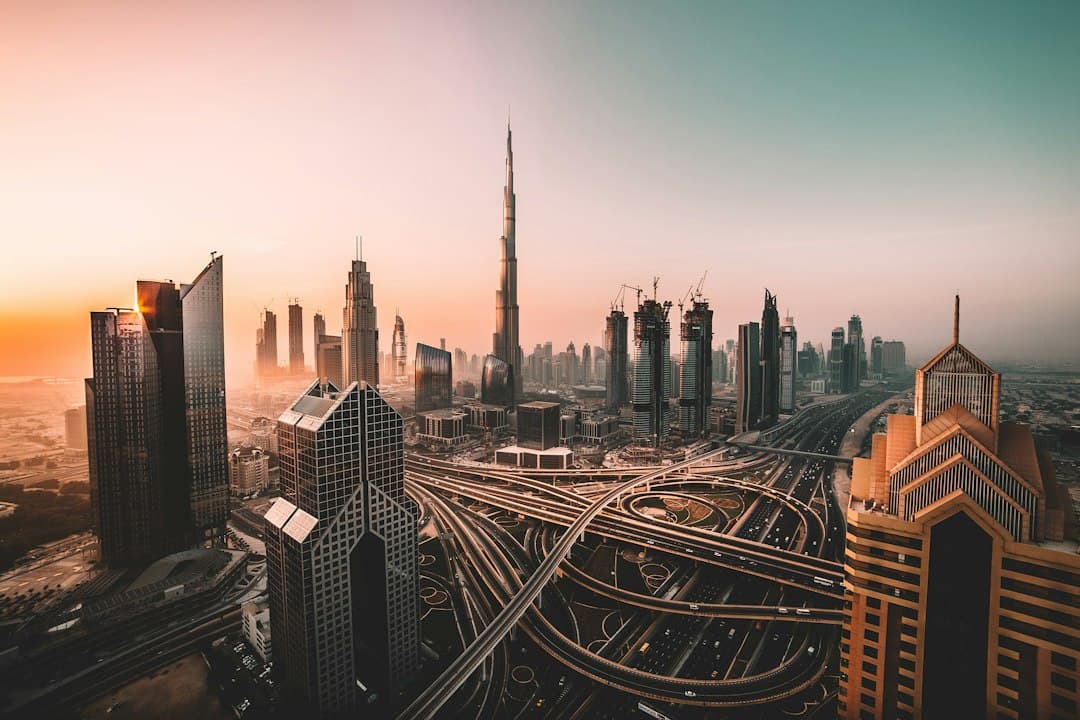
Dubai's 2025 property market delivered stable price growth, robust transaction volumes, and sustained investor confidence across both residential and off-plan segments. Supply and demand remained broadly balanced in established communities like Downtown and Dubai Marina, while emerging areas such as Dubai South and Meydan Horizon captured significant buyer interest as development matured. Looking ahead to 2026, market fundamentals suggest continued stability: mortgage availability remains reliable, expatriate inflows continue, and major developer pipelines (from Emaar, Nakheel, and Meraas) promise sustained supply. Price appreciation is likely to remain moderate rather than explosive, with emerging communities outperforming established zones.
Dubai Real Estate 2025: What Actually Happened
Transaction Volume and Market Sentiment
Dubai Land Department (DLD) data for 2025 showed consistent monthly transaction volumes between 8,000 and 11,000 property transfers across apartments, villas, and commercial units. This stability—neither surge nor decline—reflects a market that has moved past the 2022–2023 speculation phase into mature, fundamentals-driven behavior. Buyer sentiment has settled: investors are no longer chasing rapid capital appreciation but instead seeking stable rental yields and long-term ownership.
First-time homebuyers returned to the market with renewed confidence, particularly in affordable mid-range communities. Expat families continued to anchor significant purchasing power, especially in family-friendly areas with established schools and amenities.
Price Movements Across Property Types
Apartment prices in established waterfront communities (Downtown Dubai, Dubai Marina, Business Bay) remained relatively flat to slightly positive throughout 2025, with most traded units showing price stability within 2–5% year-on-year movement. Premium apartments in ultra-luxury buildings (Downtown Dubai's iconic towers, Dubai Marina's waterfront addresses) remained resilient, reflecting strong demand from high-net-worth buyers seeking trophy assets.
Mid-market apartments in Jumeirah Village Circle, Dubai Hills Estate, and emerging communities like Dubai South and Meydan Horizon experienced more notable appreciation—typically 5–8% year-on-year—as these areas matured, infrastructure improved, and tenant demand grew. Studios and 1-bedrooms across Dubai averaged AED 280,000–450,000 depending on location; 2-bedrooms ranged from AED 550,000 to AED 1.2 million.
Villa markets remained bifurcated. Premium waterfront villas in Arabian Ranches, Palm Jumeirah, and Dubai Hills Estate held their value firmly with modest appreciation (2–4%). Suburban villas in emerging master-planned communities (Al Furjan, Dubai Land Residence, Villanova) experienced stronger price movement (5–10%) as buyers discovered value relative to established areas.
Off-Plan Activity and Developer Confidence
Off-plan transactions remained robust throughout 2025. Major developers continued launching new phases and projects, signaling confidence in sustained demand. Emaar remained the dominant force, with continued sales across Downtown Dubai expansion projects and Arabian Ranches phases. Nakheel maintained steady pre-launch interest in Dubai Islands phases and District One ultra-luxury offerings. Meraas focused on experience-driven mixed-use communities, reflecting a sector-wide shift toward lifestyle-integrated developments.
Buyer appetite for off-plan has stabilized after years of regulatory improvements. RERA protections for off-plan buyers—including mandatory escrow accounts and strict developer oversight—have built confidence in the segment. Most off-plan units now sell with payment plans spread across 2–3 years, making entry accessible to a broader buyer base.
Rental Market Strength
Rental demand proved one of 2025's strongest market signals. Rents across most communities rose 3–7% year-on-year, driven by limited vacancy, continued expat migration, and investor preference for furnished, turnkey properties. Studio apartments rented for AED 18,000–28,000 annually; 2-bedrooms commanded AED 45,000–75,000. Premium waterfront apartments (Dubai Marina, Downtown Dubai) reached AED 100,000+ for luxury 2-bedroom units.
The furnished apartment segment specifically outperformed unfurnished, with investors recognizing that higher rents and faster tenant turnover offset furnishing costs. Short-term holiday rental (Airbnb-style) markets also recovered as tourism rebounded post-pandemic, creating hybrid investment strategies for owners of properties in high-traffic areas.
What's Driving 2026 Predictions
Fundamentals Remain Supportive
Population Inflow: Expat migration to Dubai continues at robust rates. The UAE's visa reforms (10-year residence visas, more flexible work permits) have encouraged longer-term commitment from international professionals, sustaining housing demand.
Mortgage Availability: UAE banks maintain competitive lending rates (4.5–5.5% for fixed mortgages) with LTV ratios reaching 80% for UAE nationals and 75% for expats. This mortgage accessibility remains a cornerstone of market stability.
Geopolitical Stability: Dubai's position as a regional financial hub and tourism gateway has strengthened, particularly as flight connectivity and visa-free travel options expand. This reinforces long-term capital inflows.
Developer Maturity: The 2022–2023 cooling period weeded out speculative developers and over-leveraged players. Remaining major builders are well-capitalized and focused on sustainable growth rather than explosive volume.
Supply Pipeline into 2026
Approximately 25,000–30,000 residential units are expected to complete and hand over across Dubai in 2026, maintaining a steady cadence of new supply. Key projects include:
- Emaar Projects: Continued Downtown Dubai phases, Arabian Ranches expansions, and mixed-use developments.
- Nakheel Deliveries: Dubai Islands residential phases, Palm Jebel Ali development, and ultra-luxury District One offerings.
- Meraas Lifestyle Communities: Expansion of mixed-use retail-residential clusters and waterfront entertainment zones.
- Emerging Developer Growth: Mid-tier builders like Imtiaz and Ellington Properties continue delivering design-focused mid-market apartments.
This supply is expected to absorb into steady demand without creating the oversupply conditions that triggered price corrections in 2022. New units will likely be absorbed within 6–12 months of completion.
2026 Property Market Predictions by Segment
Apartments: Stability with Emerging-Area Outperformance
Established waterfront communities (Downtown Dubai, Dubai Marina, JBR) will likely see continued price stability to modest appreciation (1–3%), with buyer focus shifting toward rental yield rather than capital gains. These areas have matured; price appreciation will come slowly, but rental stability and lifestyle amenities keep them attractive for owner-occupiers.
Emerging mid-market communities (Dubai South, Meydan Horizon, Dubai Islands) are predicted to see 4–8% appreciation in 2026 as infrastructure completion drives occupancy and rental demand. First-time buyers and investors seeking yield will migrate toward these areas as value-for-money becomes apparent relative to premium zones.
Villas: Bifurcation Continues, Emerging Communities Lead
Ultra-premium villa markets (Palm Jumeirah, Arabian Ranches, Dubai Hills Estate) will likely remain stable, with appreciation in the 2–4% range. Supply in these communities is intentionally limited, supporting price floors and long-term capital preservation for high-net-worth owners.
Mid-market and suburban villas in emerging master-planned communities will likely appreciate faster (5–10%), as developer completion rates accelerate, schools and retail amenities mature, and word-of-mouth spreads among family-focused buyers seeking space and value. Areas like Al Furjan, Villanova, and Dubai Land Residence will likely see sustained buyer interest.
Off-Plan: Continued Activity with Buyer Selectivity
Off-plan buying will remain active but more selective. Buyers will increasingly scrutinize developer track records, delivery timelines, and payment plan terms. Large, established developers will outperform mid-tier firms in off-plan sales, as buyer confidence remains highest with proven delivery history.
Payment-plan flexibility (24–36 months) will remain standard, making off-plan entry accessible. Expect strong absorption of new-launch units from Nakheel, Emaar, and Meraas projects, particularly in mixed-use, experience-led developments.
Rental Market: Sustained Upward Pressure
Rents are predicted to rise 3–6% across Dubai in 2026, driven by limited supply growth, continued expat inflow, and investor preference for established, well-amenitied communities. Studio and 1-bedroom apartments will remain in highest demand as young professionals and small families enter the market.
Furnished apartments will continue outpacing unfurnished, with landlords achieving rents 10–15% higher for turnkey units. This trend will encourage investor interest in fully furnished, maintenance-managed properties as a passive income strategy.
Investment Strategy Outlook for 2026
Who Should Buy in 2026
Owner-Occupiers: Remain well-positioned. Mortgage rates are stable, and entry-level pricing in emerging communities provides genuine value. First-time homebuyers should focus on areas with established schools, transport, and retail rather than speculative frontier zones.
Yield-Focused Investors: 2026 favors rental-income investors over capital-gains traders. Expect mid-market apartments (2–3 bedrooms in Dubai Hills, JVC, Business Bay) to deliver 4–5% gross rental yields with stable tenant demand. Dubai's tax-free rental income (no annual property tax on homeowners) and 4% one-time DLD transfer fees make rental returns highly competitive globally.
Value Hunters: Emerging communities entering final development phases (Dubai South, Meydan Horizon, Dubai Islands) will attract buyers seeking 5–8% appreciation over 3–5 years. These areas offer lower entry pricing and higher appreciation potential than saturated zones.
Smart Buying Moves for 2026
- Prioritize established infrastructure: In emerging areas, buy only once schools, hospitals, retail, and transport are operational, not at launch.
- Calculate true costs: Use the Dubai Property Fees Calculator to estimate DLD transfer fees, agency commission, and registration costs—these add 4–6% to your purchase price and affect overall returns.
- Target rental-yield properties: Furnished 2-bedrooms in mid-market communities (JVC, Dubai Hills, Business Bay) will likely deliver 4–5% gross yields in 2026; focus on these for passive income.
- Avoid speculative launches: New off-plan projects from unproven developers carry risk. Stick with established developers with proven delivery track records.
- Consider secondary market: Ready properties (completed, vacant) often offer better entry pricing than off-plan and faster occupancy than handover timelines.
Market Risks and Uncertainties for 2026
Interest Rate Movements: If global rates rise significantly, UAE mortgage rates could climb toward 6–7%. This would compress buyer affordability and slow transaction volumes. However, UAE central bank policy has been cautious, suggesting rates will remain relatively stable.
Oversupply in Specific Communities: Several emerging communities (Dubai South, International City expansions) carry oversupply risk if too many units complete simultaneously. Buyer selectivity will increase; not all areas will absorb supply equally.
Geopolitical Shocks: Regional tension, global recession signals, or sudden expat departures could trigger buyer hesitation. However, Dubai's diversified investor base (local, regional, international) provides resilience.
Conclusion: Pragmatic Opportunity Ahead
Dubai's 2025 property market delivered what mature real-estate markets should: stable fundamentals, balanced supply and demand, and measured price growth without speculation. 2026 will likely continue this trajectory—no boom, but no crash either. The market has shifted from capital-gains trading to rental-income investing and owner-occupancy, which is healthier long-term.
For buyers in 2026, the opportunity lies in being selective. Premium established communities (Downtown, Marina, Arabian Ranches) offer stability and lifestyle; emerging communities offer appreciation and yield. Avoid speculative launches and unproven developers. Focus on areas with complete infrastructure, proven tenant demand, and developer track records.
If you're evaluating 2026 opportunities, start by understanding your total cost (not just purchase price) and your true return target. Reach out to Immoworld DXB's advisory team to discuss your specific goals—whether you're buying to live, to invest for rental income, or to build long-term capital. We can help you navigate pricing, areas, and developer options with clarity, not hype.