
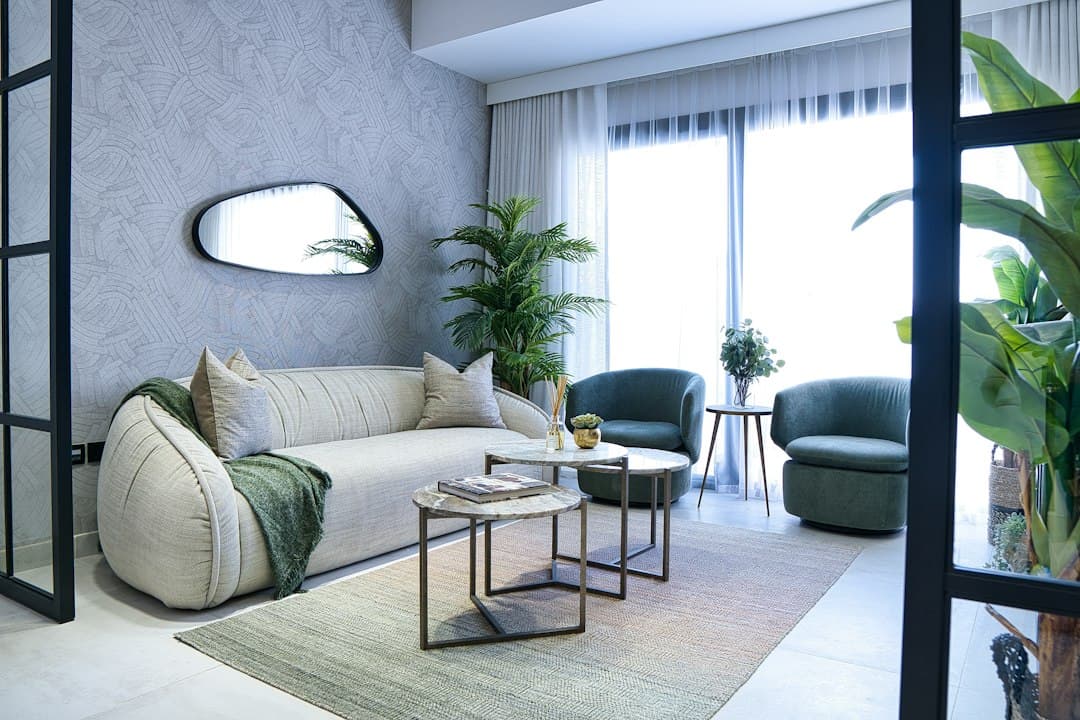
Furnishing a Dubai investment property for maximum rental appeal means selecting durable, neutral, tenant-friendly furniture and decor that attract quality long-term renters and justify premium rental rates. Success depends on understanding what international tenants value—modern comfort, practical layouts, reliable appliances, and a move-in-ready aesthetic—without over-personalizing or investing in luxury pieces that add little to rental yield. The right furnishing strategy balances upfront cost control, maintenance durability, and visual appeal to create a property that rents quickly, retains tenants, and generates consistent rental income.
Why Furnishing Matters for Rental Yield in Dubai
Furnished apartments in Dubai typically command 15–25% higher monthly rents than unfurnished units, according to market data across established communities. International tenants—expatriates on short to medium-term contracts—actively seek move-in-ready homes that eliminate the logistics and cost of furnishing from scratch. A thoughtfully furnished property reduces vacancy periods, attracts higher-quality tenants, and justifies premium positioning in your market segment.
Beyond rental rate, furnishing decisions directly affect tenant retention and property longevity. Durable, practical pieces withstand heavy use; neutral design appeals broadly; and a well-organized layout creates the impression of a premium home. Conversely, poor furnishing choices—overly trendy decor, fragile materials, or cluttered layouts—lead to frequent turnovers, costly repairs, and lower occupancy rates.
Understanding Your Target Tenant Market
Your furnishing strategy must align with your property's location and intended tenant profile. Each Dubai community attracts different tenant demographics, and their expectations vary significantly. A studio in Jumeirah Village Circle targets young professionals and relocating expats; a villa in Dubai South appeals to families; a luxury apartment in Dubai Islands attracts affluent renters seeking premium finishes.
Research comparable furnished properties in your area to understand local standards. Walk through 5–10 similar listings on property portals, noting what amenities and design elements appear consistently. This competitive analysis guides your budget allocation and ensures your property meets—or exceeds—market expectations without unnecessary over-investment.
Core Furnishing Strategy: Quality Over Quantity
The most common mistake Dubai investors make is either under-furnishing (leaving too much empty space) or over-furnishing (cluttering rooms with unnecessary pieces). The optimal approach prioritizes functional essentials in premium materials, leaving breathing room in each area.
Essential Furniture Pieces by Room
- Living Room: A durable sofa (fabric or leather), coffee table, TV console, and 1–2 accent chairs. Avoid oversized sectionals that dominate small apartments; choose modular or compact pieces that suit multiple layouts.
- Bedroom: A quality bed frame, mattress (premium hotel-grade), bedside tables, and a chest of drawers. Avoid decorative bed skirts or canopies; focus on clean, contemporary aesthetics.
- Kitchen: Appliances (stove, refrigerator, microwave, dishwasher if included in your budget), basic cookware, and dining table. Many furnished properties provide these; verify your lease or development regulations.
- Bathroom: Mirrors, towel racks, and storage shelving. Furnishing here is minimal; focus on quality fixtures and cleanliness.
- Entryway: A shoe rack and mirror. Small entryways benefit from wall-mounted storage to maximize space.
What NOT to Furnish
Avoid overly personal, trendy, or delicate pieces. Wall art, decorative sculptures, and plants are expensive to maintain, quickly outdated, and polarizing. Skip area rugs unless they protect high-wear floors; they complicate cleaning and tenant preferences. Avoid built-in shelving or permanent decor—you're furnishing for rental, not personalizing for yourself.
Design Strategy: The Neutral, Modern Aesthetic
Color choice directly influences how expensive an apartment appears. For investment properties, neutral palettes expand your tenant pool and create a timeless backdrop that appeals across demographics and cultural preferences.
Color Palette for Maximum Appeal
- Walls: Soft whites, warm grays, or champagne tones. These reflect light, make spaces feel larger, and allow tenant personality to emerge.
- Flooring: Light wood-look laminate, light polished concrete, or neutral tile. Avoid dark floors—they show dust and footprints, requiring frequent cleaning.
- Furniture: Grays, taupes, or warm whites in durable fabrics. Avoid bright colors, patterns, or overly trendy finishes.
- Accents: Minimal use of metallics (brushed gold or chrome) or soft pastels. One accent wall, if any, in a subtle tone.
Lighting: A Premium Touchstone
High-quality lighting dramatically elevates perceived value. Invest in modern ceiling fixtures, pendant lights over dining tables, and task lighting in bedrooms and home offices. Avoid cheap overhead lights; replace builder-standard fixtures with contemporary alternatives. Layered lighting (ambient, task, accent) creates flexibility and visual depth.
Layout and Spatial Flow
Effective furnishing maximizes usable space and creates natural traffic flow. In smaller apartments, positioning furniture away from walls—creating floating layouts—paradoxically makes rooms feel larger. Use tall, slim pieces to draw eyes upward; avoid bulky sectionals that consume corners.
Leave 30–40% of floor space unfurnished in living areas. This creates breathing room, prevents claustrophobia, and allows tenants to envision their own use of the space. Overcrowding is the fastest way to deter quality renters.
Budget Allocation: Where to Spend, Where to Save
Investment properties require strategic budgeting. Not all furnishing dollars create equal rental value. Prioritize spending on high-visibility, high-use items; economize on hidden or low-impact pieces.
Spend Premium Money On:
- Sofa and bed (visible daily; signals quality to renters)
- Mattress (essential comfort; justifies rental premium)
- Lighting fixtures (transforms entire aesthetic)
- Large kitchen appliances (rented apartments expected to include these)
- Paint and wall finishes (first visual impression)
Economize On:
- Coffee tables and side tables (readily replaced; non-essential)
- Decorative accents and wall art (polarizing; adds minimal rental value)
- Kitchen utensils and dining accessories (tenants often bring their own)
- Throw pillows and blankets (trendy, high-turnover items)
- Rugs and textiles (maintenance burden; tenant preference varies)
Durability and Maintenance: The Overlooked Advantage
Rental properties endure heavier use than owner-occupied homes. Material durability directly impacts long-term profitability. Cheap, trendy furniture fails after 2–3 years; quality pieces survive 5–7 years and multiple tenant turnovers.
Choose fabric sofas with removable, washable covers. Select leather or performance upholstery resistant to stains. For dining chairs, opt for durable hardwoods or metal frames; avoid upholstered chairs that absorb spills. Flooring should withstand foot traffic; laminate or polished concrete outperforms light carpet.
Build maintenance costs into your annual budget. Professional sofa and carpet cleaning, appliance servicing, and fixture replacement between tenancies are routine expenses that protect your asset and maintain rental appeal.
Technology and Smart Home Features
Modern renters increasingly expect basic smart features. These are no longer luxury add-ons; they're competitive necessities in furnished Dubai properties. 2026 interior design trends in Dubai now include smart home technology as a standard expectation.
- Smart thermostats: Programmable temperature control reduces utility costs and appeals to environmentally conscious tenants.
- Smart lighting: App-controlled or motion-sensor lights in entryways and bathrooms.
- High-speed Wi-Fi infrastructure: Modern routers and reliable connectivity are expected, not optional.
- Smart locks (optional): Keyless entry simplifies tenant check-in and enhances security perception.
These features don't require massive investment—many are under AED 500 each—but they significantly elevate perceived modernity and justify premium rental positioning.
Where to Source Furniture in Dubai
Dubai offers diverse furniture shopping options suited to investment property budgets. IKEA, PAN Home, and Marina Home each serve different buyer needs and budgets for investment furnishing.
Budget-Friendly Options
IKEA remains the default for cost-effective, durable basics. Prices are predictable; quality is reliable for rental use; and replacement is straightforward. IKEA's minimalist aesthetic aligns perfectly with neutral investment strategies.
PAN Home offers slightly higher-end basics with faster shipping and local delivery. Prices sit between IKEA and premium retailers, making it ideal for mid-market properties.
Mid-Market and Premium
Marina Home, Homes R Us, and Ace Bedding provide higher-quality pieces with more design flexibility. These retailers are ideal if your property commands premium rents and attracts affluent tenants.
Discount and Outlet Options
Affordable furniture across Dubai can be sourced from warehouse outlets in Al Khawaneej and International City to established community shops in Jumeirah Village Circle. These outlets often stock overstock, discontinued, or clearance items at 30–50% discounts.
Practical Considerations for Landlords
Built-In vs. Portable Furniture
Avoid permanently affixed furniture. Removable, modular pieces allow flexibility between tenant turnovers and simplify property inspection. If your development permits, use freestanding wardrobes instead of built-ins; this preserves future rental appeal and tenant options.
Tenant Wear and Damage
Budget for ongoing maintenance and minor replacements. Establish a tenant damage policy clearly outlined in your lease. Photographs of the property's initial furnished state protect you during check-out disputes. Furniture depreciation is tax-deductible; maintain records of purchases and replacements.
Seasonal Refresh
Every 2–3 years, refresh paint, update lighting, or replace worn pieces. This keeps the property competitive and justifies stable or increasing rental rates. A well-maintained, regularly updated furnished property commands premium rents far beyond the cost of periodic updates.
Testing Your Investment: The Trial Period
After furnishing, rent your property to a test tenant for 3–6 months. Monitor feedback on layout, comfort, maintenance, and functionality. Use this period to identify what works and what requires adjustment. The real-world test often reveals practical issues that visual planning misses.
Collect written feedback on furnishing quality, appliance satisfaction, and design preferences. This data guides future updates and demonstrates to potential tenants that their comfort is prioritized.
Avoiding Common Furnishing Mistakes
- Over-furnishing: Cluttering spaces reduces perceived size and flexibility. Resist the urge to fill every corner.
- Mismatched styles: Mixing eclectic or mismatched furniture reads as chaotic. Maintain cohesive, contemporary aesthetics.
- Under-investment in mattresses and sofas: These are visible daily and justify premium rents. Never economize here.
- Neglecting maintenance: Worn, stained, or broken furniture destroys rental appeal instantly. Regular cleaning and timely repairs are non-negotiable.
- Ignoring local preferences: Research your target community's expectations. What works in Downtown Dubai may not suit emerging neighborhoods.
Calculating ROI: Does Furnished Investment Make Sense?
Furnished and unfurnished apartments in Dubai carry different total costs. Furnished units cost more upfront but typically rent 15–25% higher monthly. Calculate your breakeven point: divide furnishing cost by monthly rent premium to determine recovery timeline. If breakeven occurs within 24–36 months, furnished is strategically sound.
Example: A 2-bedroom apartment rents for AED 5,000 unfurnished, AED 6,500 furnished. Furnishing costs AED 40,000. Monthly premium: AED 1,500. Recovery time: ~27 months. After recovery, the premium becomes pure profit.
Conclusion: Strategic Furnishing Drives Rental Success
Furnishing a Dubai investment property isn't about luxury—it's about strategic, tenant-focused decision-making. Success means selecting durable, neutral, functional pieces that attract quality renters, justify premium rates, and require minimal maintenance across multiple tenancies. Prioritize high-visibility, high-use items; neutral, timeless aesthetics; and quality over quantity. Budget strategically, source wisely, and refresh periodically to maintain competitive advantage.
The difference between a well-furnished rental property and a poorly furnished one isn't always visible in upfront costs—it's measurable in occupancy rates, tenant quality, and long-term profitability. If you're ready to invest in Dubai property and need guidance on community selection, developer options, or detailed financial analysis for your specific project, contact Immoworld DXB's advisory team for personalized consultation. We'll help you select the right property type and location to maximize furnishing ROI and rental appeal.