
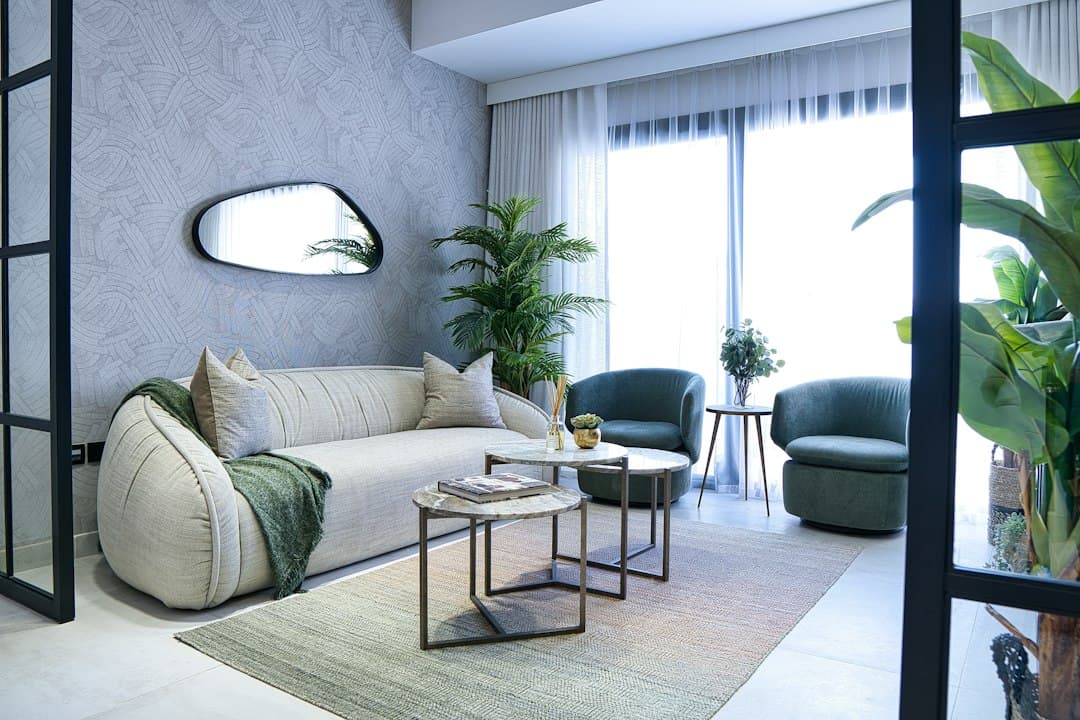
Tenants in Dubai want furnished apartments that combine durability, neutral aesthetics, quality appliances, and practical layouts. They prioritize comfort over designer statements—investing in sturdy furniture, reliable air conditioning, modern kitchen equipment, and flexible living spaces that suit diverse lifestyles. Furnished apartments rent significantly faster, typically leasing within 2–4 weeks versus 6–12 weeks for unfurnished units, because tenants value move-in convenience. However, what actually drives rental appeal isn't expensive décor; it's thoughtful furnishing that reflects how people genuinely live.
The Non-Negotiable Basics: What Every Tenant Expects
Before any aesthetic consideration, Dubai tenants expect fundamental functionality. A furnished apartment must deliver reliable air conditioning—the most critical utility in the Emirates—working kitchen appliances, secure plumbing, and electrical systems that don't fail. If these basics are compromised, no amount of designer furniture compensates.
Quality mattresses rank high on the tenant priority list. Many tenants will move into a furnished apartment for their first few weeks or months while importing their own furniture, so a comfortable bed is non-negotiable. Flimsy or stained mattresses signal negligence and immediately reduce rental appeal. Similarly, reliable Wi-Fi-enabled amenities and adequate storage—wardrobes, kitchen cabinets, and living room shelving—matter far more than trendy accent pieces.
Neutral Décor: Why Bold Colors Cost You Tenants
One of the most common landlord mistakes is decorating rental properties with bold personal taste. Deep jewel tones, intense accent walls, or heavily patterned furniture alienate potential tenants who can't visualize living in that space. Neutral tones like soft grays, warm whites, and champagne create a premium backdrop that allows tenants to imagine their own belongings in the space.
Successful furnished apartments in Dubai stick to a disciplined neutral palette: whites, soft grays, warm beiges, and natural wood tones. This doesn't mean boring—it means timeless. Tenants are renting, not buying, so they expect décor that won't feel dated after 12 months. Investing in high-quality neutral upholstery and finishes signals that the landlord maintains standards and respects the property, not that the landlord is indifferent to appearance.
Layout and Flexibility: Open Plans Win
Dubai's tenant base is transient and diverse—young professionals, families, relocating executives, and international workers. They expect flexible layouts that accommodate different living patterns. An overly compartmentalized apartment with small, isolated rooms feels cramped; an open living-dining-kitchen area with clear separation from bedrooms appeals to far more tenant types.
Furnishing should respect and enhance natural flow. A strategically placed sofa that doesn't block sight lines, a dining table that's proportionate to the room, and bedroom furniture that leaves ample floor space all contribute to perceived spaciousness. Many tenants mentally assess whether their own furniture and belongings will fit comfortably, so rentable apartments should feel generous, not stuffed.
Kitchen and Appliances: Quality Signals Long-Term Care
Tenants cook and entertain, even when renting. A furnished apartment with a poorly equipped kitchen—missing cookware, cheap appliances, or limited counter space—signals that the landlord doesn't respect tenant lifestyle. Conversely, a kitchen stocked with essential cookware, a reliable refrigerator, functional stove, and dishwasher (if space allows) demonstrates that the property is maintained as a home, not just a revenue asset.
Investing in mid-range, durable kitchen appliances pays dividends in tenant retention and rental speed. Tenants will tolerate modest finishes if the appliances work flawlessly. A cheap stove that cycles on and off erratically or a refrigerator that runs noisily creates daily frustration and accelerates tenant turnover. Quality kitchen equipment directly reduces maintenance complaints and extends tenant tenure.
Living Room Furnishings: Comfort Over Statement Pieces
The living room is where furnished apartments succeed or fail. A comfortable, durable sofa is essential—but it should be neutral in color and traditional in silhouette. Oversized sectionals work for some tenants; compact loveseats work for others. A versatile mid-sized sofa in soft gray or warm tan suits the broadest tenant range.
Avoid statement furniture. A sculptural modern chair might impress visitors but won't appeal to the 80-year-old expatriate couple or the young family with children. Smart landlords furnish with pieces that are well-constructed, neutral, and timeless. A quality coffee table, side tables for lamps, and proper lighting complete the picture—not because they're Instagram-worthy, but because they're functional.
Bedroom Furnishings: Focus on the Bed
Bedrooms should be minimally furnished but thoughtfully. The bed is the focal point—invest in a quality frame and mattress. Beyond that, a modest wardrobe or built-in closet, a small nightstand, and perhaps a simple chair or bench are sufficient. Over-furnishing bedrooms makes them feel cramped; under-furnishing suggests abandonment.
Bedding should be neutral, clean, and professional. Crisp white or soft gray linens signal cleanliness. Avoid patterned or deeply colored bedding that might harbor stains or feel dated after one season of use.
Durability and Maintenance: The Hidden Priority
Tenants notice—and report—wear and tear immediately. Furnished apartments experience higher-frequency use than owner-occupied homes, so furnishings must withstand it. Microfiber or performance fabrics that resist stains, leather or faux leather on seating, and hard-wearing materials on tables and shelving reduce maintenance costs and preserve rental appeal across multiple tenant cycles.
Cheap particle-board furniture deteriorates visibly within months. Quality construction—solid wood frames, properly welded metal, reinforced joints—looks better longer and signals value to tenants. You don't need to spend luxury-level money, but mid-range, durable brands consistently outperform budget alternatives across tenant satisfaction and lifespan metrics.
Lighting: The Often-Overlooked Game Changer
Proper lighting transforms a furnished apartment from mediocre to desirable. Many landlords rely solely on overhead ceiling lights, which create harsh shadows and unflattering ambiance. Tenants respond to layered lighting: ceiling fixtures for task lighting, floor lamps for accent, table lamps on side tables or bedside surfaces, and perhaps wall sconces in bathrooms or entryways.
Good lighting is also practical—it helps tenants see the true condition of the property during viewings, reducing post-move surprise complaints. Warm-toned LED bulbs (2700K) create inviting atmosphere without the energy cost or maintenance of incandescent bulbs.
Bathrooms: Where Tenants Make Final Decisions
Bathrooms heavily influence rental decisions because they signal maintenance standards. A clean, well-lit bathroom with functioning plumbing, adequate storage (towel rack, shelving, mirror cabinet), and quality towels conveys professionalism. Mold-prone corners, cracked tiles, or worn towels trigger immediate tenant hesitation.
Furnishing the bathroom is straightforward: quality towels, a good mirror with proper lighting, basic cleaning supplies storage, and a non-slip bath mat. Many furnished apartments include towels in rent because it removes tenant hassle—and it demonstrates that the landlord considers livability details.
What Tenants Explicitly Don't Want
Understanding tenant rejection points is equally important. Avoid the following furnishing mistakes:
- Personal or eccentric décor—art collections, family photos, or extreme color schemes alienate tenants who can't see themselves in the space.
- Overly trendy furniture—boho maximalism, industrial-chic, or ultra-modern minimalism appeals to narrow tenant segments; neutral fundamentals appeal broadly.
- Insufficient storage—tenants arrive with belongings; apartments without adequate wardrobes, kitchen cabinets, or living room storage feel constrictive.
- Fragile or precious items—if a landlord fills a furnished apartment with antiques, original art, or delicate collectibles, it signals that the property isn't truly meant for tenant use.
- Mismatched or obviously budget furniture—one expensive designer chair amid cheap IKEA basics looks chaotic; cohesive mid-range furnishing looks intentional and professional.
The Investment Reality: What Budget Actually Delivers
Furnishing a rental property in Dubai requires balancing tenant appeal with smart spending—typically AED 20,000–80,000+ depending on unit size and target tenant profile. That budget shouldn't focus on luxury; it should prioritize durability and broad appeal. A furnished apartment that rents faster and retains tenants longer generates more total income than a luxury-furnished property that sits vacant for months.
The financial reality: spending an extra AED 5,000 on quality mid-range furniture that lasts five years and accelerates tenant turnover beats spending AED 50,000 on designer pieces that alienate half your potential tenant market.
Checking Your Furnishing Against Tenant Expectations
Before listing a furnished apartment, conduct a ruthless self-assessment. Walk through the property as a first-time tenant would. Does the space feel clean, functional, and welcoming? Can you easily visualize your own belongings fitting into the layout? Are the appliances modern and reliable? Is lighting warm and adequate? Would you rent this apartment—or would you keep searching?
Tenant feedback, if you can gather it from previous occupants, is invaluable. Listening to what worked and what frustrated prior tenants directly improves furnishing decisions for subsequent cycles.
Conclusion: Furnish for Tenant Life, Not Landlord Ego
Dubai tenants want furnished apartments that solve a practical problem: they need clean, comfortable, move-in-ready housing. They don't care about designer credentials or trendy aesthetics; they care about durability, functionality, and the ability to feel at home. Successful furnished apartments balance these tenant priorities with smart investment, selecting mid-range, neutral furnishings that appeal broadly, wear well, and reduce vacancy periods.
If you're preparing a furnished apartment for rent or considering adding furnishings to increase rental appeal, speak with Immoworld DXB's advisory team about tenant expectations in your specific community. We help landlords navigate furnishing decisions that maximize both occupancy and tenant satisfaction across Dubai's diverse neighborhoods.