
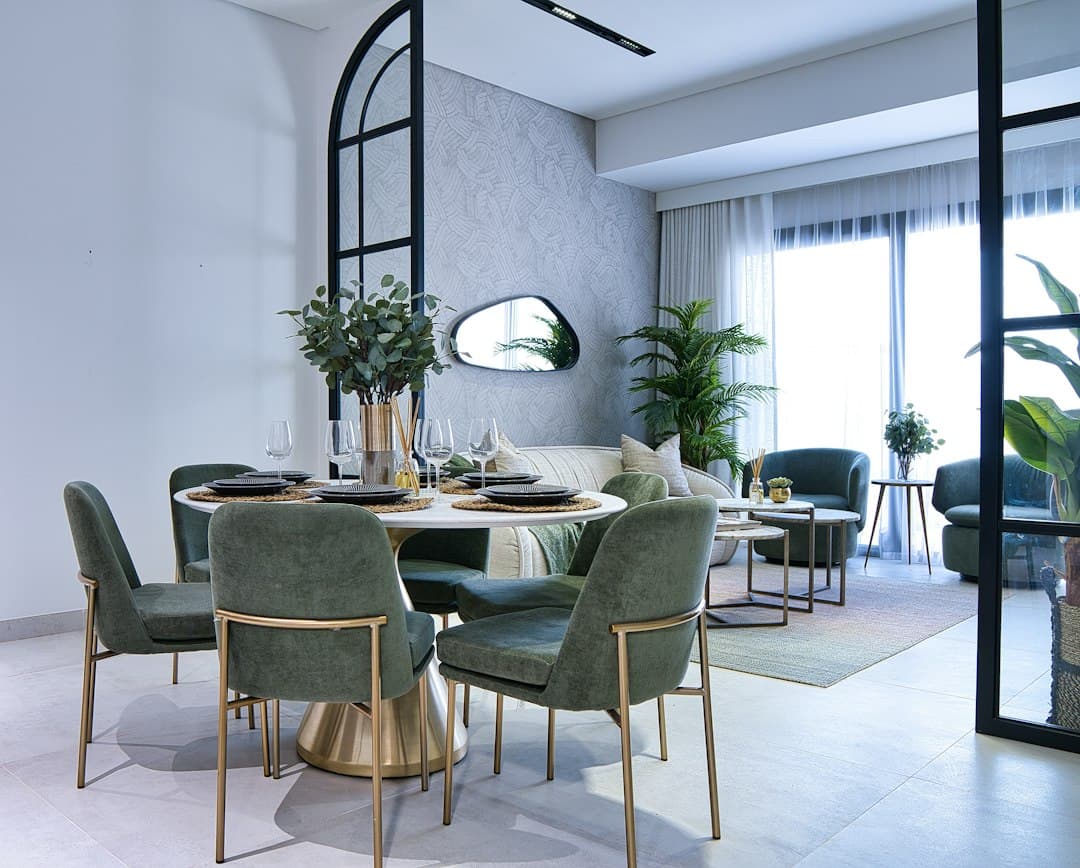
Making your Dubai apartment feel like home within a month is entirely achievable with intentional planning and strategic choices. The key is focusing your energy on three critical areas: essential comfort items (bed, seating, lighting), creating visual warmth through color and texture, and adding personal touches that reflect your lifestyle. By prioritizing practical comfort first, then layering in design elements and personalization over weeks two through four, most new residents transform a blank apartment into a genuinely welcoming space within 30 days—without overspending or waiting for custom furniture deliveries.
Week One: Establish Comfort Fundamentals
Your first week in a new Dubai apartment should focus exclusively on comfort essentials and basic functionality. Your brain cannot relax in an empty space; it needs a bed, seating, and working utilities before you'll feel settled enough to tackle aesthetics.
Bed, Seating, and Lighting Come First
Invest in a quality mattress and bed frame immediately—this is where you'll spend eight hours every night, and a poor mattress will undermine everything else you do. Pair it with basic sheets, pillows, and a duvet in neutral colors. Next, arrange at least one comfortable seating option in your living area: a sofa, armchair, or even a quality floor cushion set. These three elements—bed, seating, lighting—create the psychological foundation for feeling at home.
Lighting is non-negotiable. Dubai's intense midday sun and evening heat mean most residents close blinds during the day, creating cave-like interiors. Install or position lamps immediately: a floor lamp in your bedroom, overhead or pendant lighting in the living room, and task lighting in your kitchen. Warm-toned bulbs (2700K color temperature) feel more welcoming than cool white light and psychologically signal "home" to your brain.
Make Your Space Functional Before Pretty
During week one, prioritize function over aesthetics. You need a dining surface (even a basic table), storage for your clothes and daily items, and a working kitchen setup. Buy inexpensive shelving units, storage boxes, and basic furniture that you can easily replace later. The goal is to eliminate chaos—a cluttered, disorganized apartment will never feel like home, regardless of how attractive the décor is.
Set up your utilities and connect your internet before the end of week one. Coordinate with DEWA for electricity and water, arrange your chiller system, and ensure your internet is working. Living without reliable air-conditioning or internet in Dubai is impossible; these utilities are not luxuries but foundational comfort requirements.
Week Two: Introduce Color, Texture, and Warmth
Once your functional furniture is in place, the apartment begins to feel like a real home. Week two is when you introduce visual warmth—the elements that make a space psychologically comfortable rather than just functional.
Choose a Neutral Color Palette With Warm Accents
Neutral tones like soft grays, warm whites, and champagne create a premium backbone that highlights architecture and furnishings. Most Dubai apartments have white or beige walls; resist the urge to paint immediately (landlords often restrict this). Instead, layer warmth through textiles: throw pillows in warm grays, terracotta, or soft taupe; a neutral area rug in natural fibers; and curtains or blackout panels in soft linen tones.
Add one accent color—something personal that energizes you. This might be deep blue, forest green, or warm rust, introduced through artwork, throw blankets, or a single accent pillow. Avoid bright primary colors or trendy pastels; they feel temporary and can actually increase stress rather than reduce it.
Texture Makes Spaces Feel Lived-In
Smooth, hard surfaces (glass, tile, white walls) feel cold and institutional. Layer in texture through natural materials: a woven jute rug, linen curtains, wooden side tables, or rattan storage baskets. These don't need to match perfectly; genuine comfort comes from variety, not coordination. Soft textures like cotton throws and cushion covers add tactile comfort—your brain registers these as "safe and cozy."
Week Three: Add Personalization and Lifestyle Details
By week three, your apartment has basic comfort and visual warmth. Now it's time to make it genuinely yours—the phase that transforms a decorated apartment into a home.
Display Art and Personal Items
Art doesn't need to be expensive or original. Prints from Dubai retailers, photography you've taken, or canvas pieces cost AED 50–500 and instantly personalize a space. Hang three to five pieces on one wall or in a gallery arrangement above your sofa. Below, display personal items: a small shelf with books you actually read, framed photos, or travel souvenirs. These items signal to your brain that this space contains your story, not just rented furniture.
Incorporate Greenery and Life
Living plants are psychologically powerful—they reduce stress, improve air quality, and create the sense that a space is alive and cared for. In Dubai's heat, low-maintenance varieties work best: snake plants, pothos, ZZ plants, and peace lilies thrive with minimal water and indirect light. Place one large plant in a corner or on a plant stand, and group smaller potted plants on shelves or window sills. Even if plants struggle in Dubai's dry climate, the effort to care for them creates a sense of nurturing that transforms your psychological relationship to the space.
Set Up a Functional Entryway
Your entryway sets the emotional tone the moment you enter. Add a small console table or narrow shelf for keys and mail, a mirror for visual space expansion, and a rug to define the entry zone. If you're renting, use adhesive solutions and removable finishes that require zero drilling. This small, intentional space signals "I'm home" more effectively than any other single gesture.
Week Four: Layers and Final Touches
In your final week, refine and layer. Your apartment is now comfortable, warm, and personalized—week four is about deepening those elements and addressing any gaps you've noticed.
Optimize Lighting Layers
Professional designers use three lighting layers: ambient (overhead), task (desk lamps, reading lights), and accent (under-cabinet, picture lights). By week four, add your second or third light source to each room. This isn't about brightness; it's about creating flexibility and depth. Dimmed, layered lighting feels more intimate and home-like than a single bright overhead fixture.
Refine Your Balcony or Terrace
If you have outdoor space, strategic balcony styling—combining weather-resistant furniture, greenery, shade, and ambient lighting—turns even modest outdoor space into an extension of your home. A small chair or bench, potted plants, and soft lighting create an outdoor sanctuary. In Dubai's intense heat, this becomes a genuine retreat during early mornings or evenings.
Create Scent, Sound, and Sensory Comfort
Comfort isn't visual alone. Light a candle or use a diffuser with a subtle scent (vanilla, cedarwood, or citrus work well in Dubai heat). Play ambient music or nature sounds during the first week—your brain associates these with relaxation. These sensory layers cost almost nothing but profoundly shift how "home" feels.
Shopping Smart: Where to Furnish on Budget
You don't need to spend a fortune. Here's a realistic breakdown:
- IKEA: Best for basic furniture, storage, and lighting at low prices. Quality is functional but not premium; expect to replace items after 3–5 years.
- PAN Home and Marina Home: Mid-range quality with better aesthetics than IKEA. Slightly higher prices but more durable.
- Facebook Marketplace and Dubizzle: Second-hand furniture from expats leaving Dubai. Often find nearly new pieces at 30–50% off retail.
- Local souks and warehouse outlets: Al Khawaneej and International City offer deeply discounted home decor and smaller furniture pieces.
- High-street retailers: Carrefour, Lulu Hypermarket, and local pharmacies stock affordable home basics, lighting, and textiles.
Decorating a small Dubai apartment requires strategic use of color, lighting, and multipurpose furniture to maximize visual space and functionality. Multifunctional pieces—ottomans with storage, shelving units that act as room dividers, extendable dining tables—deliver both practicality and design value without breaking your budget.
The Reality of Month Two and Beyond
By the end of month one, you'll have a genuinely livable, comfortable home. Month two is when you'll notice what's still missing and refine accordingly. Maybe you need better kitchen storage, or that chair placement isn't working, or you want to upgrade one seating piece. These refinements happen naturally as you live in the space and understand your actual needs—not imagined ones.
If you're buying a property rather than renting, the post-handover phase involves more than decoration. After taking handover of your Dubai property, you have a critical 30-day window to complete essential administrative, legal, and practical tasks. Layering comfort and personalization alongside utility setup and DLD registration makes the process feel less overwhelming.
Quick Reference: 30-Day Timeline
- Days 1–3: Bed, seating, lighting, utilities functional. Storage basics in place.
- Days 4–7: Bedding, curtains, area rugs, first textiles arrive. Kitchen essentials unpacked.
- Days 8–14: Wall art hung, accent color introduced through pillows or throws. Greenery added. Entryway organized.
- Days 15–21: Additional light layers installed. Personal items displayed. Balcony or terrace styled.
- Days 22–30: Refinements based on living experience. Scent and sensory touches added. Final styling completed.
Making a Dubai apartment feel like home within 30 days isn't about purchasing expensive designer pieces or achieving Pinterest-perfect aesthetics. It's about understanding that comfort, warmth, and personalization are psychological, not material—and that strategic choices in lighting, texture, color, and personal meaning compound quickly to transform a blank space into a genuine home. Start with function, layer in warmth, add personalization, and refine as you live. By month's end, you won't just be living in an apartment; you'll be home.
If you're in the process of buying a property in Dubai and want guidance on choosing the right apartment or neighborhood for your lifestyle, reach out to Immoworld DXB's advisory team to discuss your needs and budget.